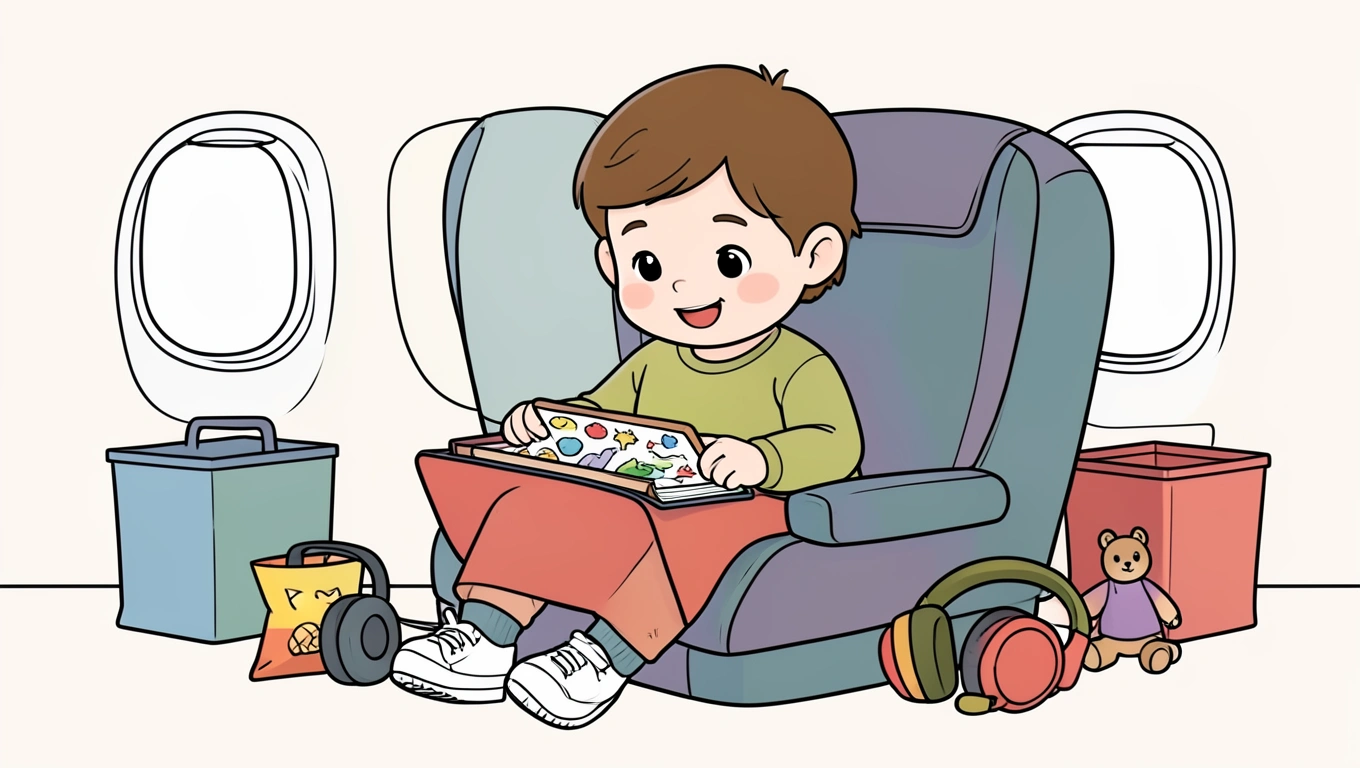
Traveling with young children can feel like a high-stakes gamble. You're stuck in a confined space for hours, wrestling with restless energy, short attention spans, and the looming threat of a full-blown meltdown. Whether you're buckled into a cross-country flight or navigating a lengthy road trip, keeping little travelers entertained isn't just about peace of mind - it's about survival. The good news? With a little planning and the right toolkit, you can turn potential chaos into a journey your kids will actually remember fondly. Here's how to keep those small humans happily occupied when the miles stretch long.
Build a Travel Kit That Feels Like Christmas Morning
The secret weapon against travel boredom is novelty. Kids tire quickly of toys they see every day, but something new can hold their attention for a solid stretch of time. A few weeks before your trip, start assembling a dedicated travel kit filled with items your children haven't seen before. Think small, portable, and mess-free: coloring books with fresh themes, sticker sets, travel-sized board games, pipe cleaners for simple crafts, or mini puzzle books.
Wrap each item individually if you want to maximize the excitement factor. Hand them out one at a time throughout the journey, spacing the reveals to match natural lulls in energy or attention. This strategy works particularly well on longer trips where you need multiple waves of distraction. A magnetic drawing board can be reused endlessly without leaving crayon marks on seats, while reusable sticker books let kids build scenes without leaving sticky residue everywhere.
Don't forget the power of screen-free activities for travel. While tablets have their place, hands-on activities often hold attention longer and don't require charging or WiFi. Pack a small bag of wooden blocks, a deck of cards, or even a compact kaleidoscope. The goal is variety - when one activity loses its appeal, you have something completely different waiting in reserve.
💡 Pro Tip: Pack your travel kit in a clear zippered pouch so you can see everything at a glance without digging through a black hole of a bag. When turbulence hits or traffic suddenly stops, you don't want to be frantically searching for that one toy while your toddler spirals.
Turn the Journey Into an Interactive Game
When new toys start losing their magic, shift to games that use the environment around you. Road trips offer endless opportunities for observation games like license plate bingo, where kids hunt for plates from different states and mark them off on a printed sheet. The classic "I Spy" costs nothing and works anywhere - in cars, on planes, or in airport terminals. You can adapt it to focus on colors, shapes, or even letters for kids learning to read.
For plane rides, create scavenger hunts with items specific to air travel: find someone wearing a uniform, spot a plane with a red tail, count how many people have headphones. Print out simple bingo cards with airplane-related images before you leave. First one to get five in a row wins a special snack or gets to choose the next activity.
Story-building games work brilliantly when space is tight. Start a story with one sentence, then take turns adding to it. The sillier it gets, the better. Or try the alphabet game where you spot words starting with each letter in order on signs, buildings, or even product packaging. These games cost nothing, require no materials, and can stretch for surprisingly long periods when everyone gets into the spirit.
Music can also become interactive entertainment. Create playlists ahead of time with family favorites, action songs that involve hand motions, or even educational songs that teach counting or geography. Let each child pick one song per hour to give them some control over the experience.
💡 Pro Tip: Download audiobooks or story podcasts designed for kids before you lose WiFi access. A captivating story can hold attention for 30-45 minutes straight, and unlike videos, kids can listen with their eyes closed during rest time. Many libraries offer free digital audiobook rentals through apps like Libby.
Master the Strategic Snack Schedule
Never underestimate snacks as both entertainment and behavioral currency. Eating takes time, engages multiple senses, and can serve as a reward system when behavior cooperation is needed most. Pack a variety of textures and flavors in small portions rather than a few large items. String cheese, crackers, dried fruit, pretzels, granola bars, and small sandwich squares can be doled out gradually rather than consumed in one sitting.
Use snacks strategically during natural tension points: takeoff and landing (chewing helps with ear pressure), when restlessness peaks, or right before you need 20 minutes of quiet time. Create snack mystery bags where kids reach in without looking and try to guess what they grabbed. This simple twist turns eating into a game and extends the entertainment value.
Bring a few special treats you don't normally allow at home - gummy bears, fruit pouches, or chocolate chips can feel like events rather than just food. Space these premium options throughout the trip as rewards for good behavior or milestones reached. Just remember to balance sugar highs with protein to avoid crashes that make everyone miserable.
Pack everything in a soft-sided cooler bag or insulated lunch box with reusable ice packs. This keeps perishables safe and means you're not at the mercy of overpriced airport kiosks or limited highway rest stop options. Wet wipes and a small trash bag are non-negotiable companions to your snack arsenal.
Build in Movement and Sensory Breaks
Even the most patient child struggles with prolonged sitting. Their bodies are wired to move, and asking them to stay still for hours goes against their natural instincts. On flights, walk up and down the aisle when the seatbelt sign is off. Let them stretch in the galley area if flight attendants aren't busy. During layovers, skip the airport lounges and find open spaces where kids can run, jump, and burn energy before the next leg.
Road trips offer more flexibility. Plan stops every 90 minutes to two hours at rest areas with playgrounds or grassy areas. Even 15 minutes of running around can reset everyone's mood and patience reserves. Look for roadside attractions or scenic overlooks that offer something to explore rather than just bathrooms and vending machines.
Pack items that provide quiet sensory stimulation when movement isn't possible. Fidget toys, squishy stress balls, or textured fabric squares give restless hands something to do. Some kids find comfort in chewing, so consider silicone chew necklaces or gum if they're old enough. Noise-canceling headphones or soft earplugs can help overstimulated children regulate when environments get loud or chaotic.
For plane travel specifically, window seats offer built-in entertainment through cloud watching and changing landscapes below. Let younger children use the tray table for activities, but remind them to keep noise levels appropriate for shared spaces. Compression activities like pushing against the seat in front or squeezing a stress ball can help kids who need proprioceptive input to stay calm.
Conclusion
Traveling with children doesn't have to mean white-knuckling your way through hours of whining and boredom. The key lies in preparation - not just packing the right items, but thinking through the rhythm of your journey and when different tools will be most effective. Remember that screen time isn't the enemy, but it works best as one option among many rather than the default for the entire trip. The goal isn't perfect silence or angelic behavior. It's keeping kids engaged enough that the journey doesn't feel endless, managing energy levels so meltdowns stay manageable, and maybe even creating a few positive memories along the way. Your future self, buckling in for that return trip home, will thank you for the effort you put in now.
FAQs
What age is too young to travel long distances with children?
There's no universal cutoff age, but infants under three months often travel easier than toddlers because they sleep frequently and aren't yet mobile. The trickiest ages tend to be 18 months to three years, when kids are active, curious, and not yet able to understand delayed gratification or sit-still expectations. If you must travel during these ages, keep expectations realistic and pack twice as many distraction options as you think you need.
How do I handle ear pressure pain for young children on flights?
For babies, nursing or bottle-feeding during ascent and descent helps naturally equalize pressure through swallowing. Toddlers and older kids can sip from a water bottle, chew gum, or eat chewy snacks like gummy bears during these phases. Teaching them to yawn widely or blow their nose gently with their mouth closed can also help. Avoid letting children sleep during takeoff and landing if possible, as they can't actively equalize pressure while unconscious.
Should I bring a car seat on a plane for a toddler?
If your child has their own seat and you have an FAA-approved car seat, bringing it can significantly improve behavior. Kids who regularly use car seats associate them with staying seated and often settle better in familiar restraints. It also ensures you have a car seat at your destination without relying on rentals. However, wrestling car seats through airports adds logistical complexity, so weigh convenience against behavior benefits for your specific child.
What's the best way to handle bathroom emergencies on road trips?
Always have an emergency kit in your vehicle with a portable potty or training toilet seat, plastic bags, wet wipes, paper towels, and a change of clothes for each child. Many parents swear by disposable portable urinals designed for car travel. Plan routes with rest stops every 90 minutes to two hours, but accept that accidents happen despite best planning, especially with newly potty-trained kids. Keeping calm and prepared beats stress every time.
How much screen time is reasonable during long travel days?
Travel days are exceptions to normal screen time rules for most families. A good rule of thumb is to alternate screen time with other activities rather than defaulting to tablets for the entire journey. Try 30-45 minutes of screen time followed by games, snacks, or hands-on activities. For very long trips (over six hours), you might allow more total screen time than usual while still building in breaks to prevent eye strain and maintain some engagement with their surroundings.