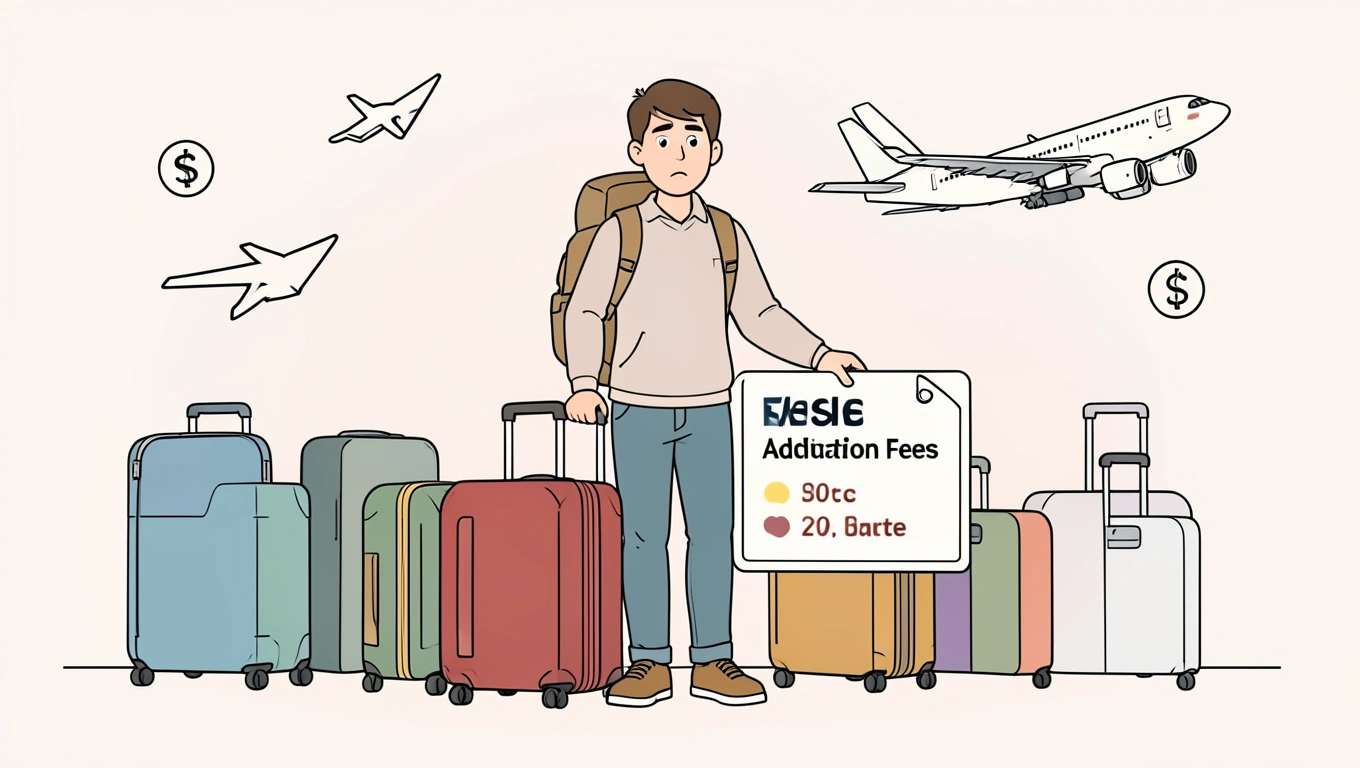
Budget airlines have revolutionized air travel, making it possible for millions of people to fly affordably. But behind those rock-bottom fares lies a complex web of fees, restrictions, and trade-offs that can turn a bargain into a frustration fast. Are these carriers genuinely worth it, or do the hidden costs and stripped-down experience outweigh the savings? The answer depends on what you value most, how you travel, and whether you're willing to play by their rules. Understanding what you're really getting can help you decide if budget airlines fit your needs or if you're better off paying more upfront.
The Safety Question: Are Budget Airlines Less Safe?
One of the most common concerns about budget airlines is safety. If they're cutting costs everywhere else, are they also cutting corners on maintenance and safety? The short answer is no. Budget airlines are just as safe as traditional airlines. They operate under the same aviation regulations and safety standards as legacy carriers, and many use identical aircraft types. In fact, some budget airlines like easyJet and Ryanair have safety rankings that place them above larger, more established airlines.
The real difference isn't in safety - it's in how these airlines manage their operations. Budget carriers often fly newer, more fuel-efficient fleets because maintaining older planes is expensive. Spirit Airlines, for example, operates an all-Airbus fleet and is retiring its A319 aircraft by 2025. easyJet similarly flies an all-Airbus fleet made up of A320-family aircraft, including the A319, A320 and A321neo. This standardization helps them keep maintenance costs down while ensuring reliability. So if safety is your main worry, you can breathe easier. Budget airlines cut costs in passenger comfort and convenience, not in the cockpit or the maintenance hangar.
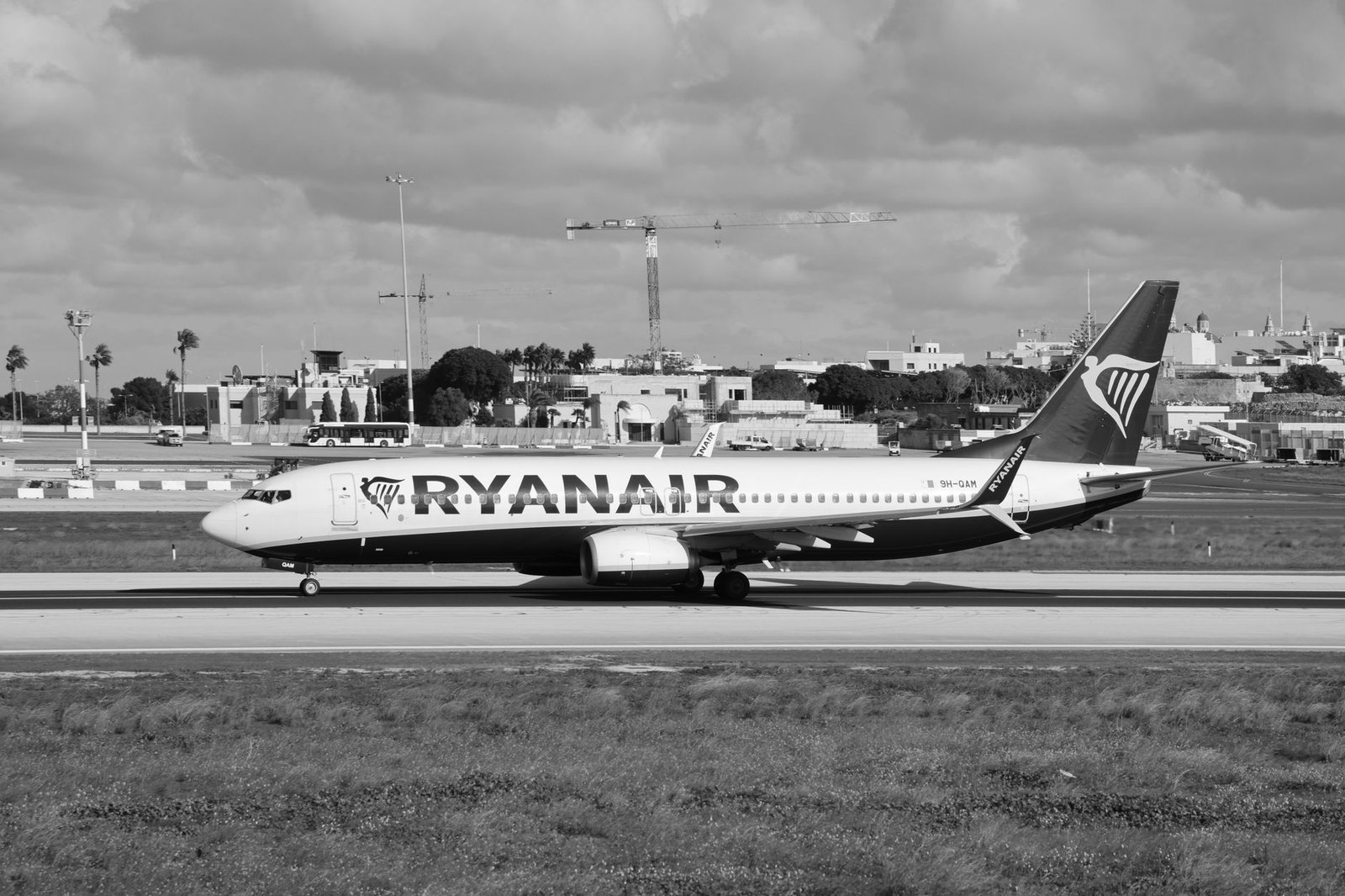
💡 Pro Tip: Before booking any airline, check its safety record on aviation safety databases like AirlineRatings.com. Even within the budget category, carriers vary in on-time performance and mechanical reliability, so a quick search can help you avoid the outliers with frequent delays or cancellations.
The True Cost: What Are You Really Paying For?
Budget airlines keep fares low by unbundling services that legacy carriers include in the ticket price. That $49 flight looks amazing until you realize that checked bags, seat selection, carry-on luggage, and even a bottle of water cost extra. These fees add up quickly, and if you're not careful, your budget fare can end up costing more than a traditional airline ticket.
Take Spirit Airlines, for example. The base fare includes only one personal item that fits under the seat in front of you. Larger carry-on bags cost between $37 and $80, and checked bags range from $37 to $99. Seat selection starts at $5 but varies by route and seat type. Ryanair follows a similar model, offering one small bag (40cm x 30cm x 20cm) for free, but requiring passengers to purchase Priority and 2 Cabin Bags if they want a second, larger bag for the overhead bin. Show up at the gate with an oversized bag, and you could face a steep gate fee, often far more than paying for the bag in advance.
Southwest Airlines has traditionally been more generous, allowing one carry-on bag and one personal item for free, with carry-ons not exceeding 24" x 16" x 10". However, they introduced checked baggage fees in recent years, with the first bag costing $35 and the second $45, though certain fare types and elite members still get free checked bags. In 2026, Southwest also transitioned to assigned seating, ending its open seating policy and offering Standard, Preferred, and Extra Legroom seat types.
💡 Pro Tip: Always calculate the total trip cost before booking. Add up baggage fees, seat selection, and any other extras you'll need. Use airline calculators or booking platforms that show all-in pricing to compare budget airlines with traditional carriers side by side - sometimes the legacy carrier ends up cheaper once you factor in what's included.
The Comfort Factor: What to Expect Onboard
If you've flown budget airlines before, you know the experience is stripped down to the essentials. Seats are tighter, amenities are minimal, and the frills that make flying more pleasant are either absent or cost extra. Spirit Airlines' standard seats offer 28 inches of legroom and are 17.75 inches wide, though their "Big Front Seat" provides 36 inches of legroom and a 20-inch width for passengers willing to pay more. easyJet seats have a minimum pitch of 29 inches and a minimum width of 17.5 inches.
Ryanair flights famously offer no in-flight entertainment, no Wi-Fi, and no power outlets. You're expected to bring your own entertainment and charge your devices before you board. As of November 2025, Ryanair also uses 100% digital boarding passes via its app, so you'll need a smartphone or printed pass ready before you arrive at the airport. These small inconveniences add up, especially on longer flights, and if you value comfort or productivity while flying, budget airlines can feel punishing.
But here's the thing - if you're flying short distances, do you really need entertainment systems and reclining seats? For a two-hour flight, most people can survive with a book, a podcast, or a nap. The discomfort becomes more pronounced on longer routes, where the lack of amenities and cramped seating turn the journey into an endurance test. Budget airlines work best when you're traveling light, flexible, and focused on the destination rather than the journey itself.
When Budget Airlines Make Sense
Despite the fees and stripped-down experience, budget airlines can be the right choice in specific situations. If you're traveling solo or as a couple with only a personal item each, you can keep costs genuinely low. Weekend trips, city breaks, and short-haul flights are where budget carriers shine. You're not on the plane long enough for comfort to matter, and you don't need to check bags or pay for meals.
Budget airlines also serve secondary airports that legacy carriers often skip, which can save you time and hassle in some cases. Ryanair, for instance, operates to over 100 destinations across Europe, many of which aren't served by major airlines. easyJet offers similar reach within Europe, making it easier to reach smaller cities without multiple connections.
The key is knowing your travel style and being honest about what you need. Budget airlines are reliable and trustworthy, but they're not for everyone. If you travel frequently for work, need to check bags regularly, or value comfort and flexibility, the savings may not justify the trade-offs. But if you're willing to pack light, skip the extras, and tolerate a no-frills experience, budget airlines can open up travel opportunities that would otherwise be out of reach.
Conclusion
Budget airlines are worth it when you know what you're getting into and plan accordingly. They're safe, they're reliable, and they make air travel accessible to people who couldn't afford it otherwise. But they're also designed to extract revenue through fees, and the experience can feel transactional and uncomfortable if you're not prepared. The real question isn't whether budget airlines are worth the risk - there's no safety risk - but whether they fit your specific needs and travel habits. Compare the all-in costs, be realistic about what you can tolerate, and choose the option that makes sense for your trip. Sometimes that's a budget carrier, and sometimes it's not. Either way, you'll make a smarter decision by understanding the full picture before you book.
FAQs
Are budget airlines more likely to cancel flights than traditional airlines?
Not necessarily. Cancellation rates vary by individual airline rather than by business model. Budget carriers often fly point-to-point routes rather than hub-and-spoke networks, which can sometimes reduce cascading delays. However, some budget airlines have fewer backup aircraft and crew, which can make recovery slower when disruptions occur. Check on-time performance records for specific carriers before booking.
Can I avoid baggage fees on budget airlines if I wear all my clothes?
While technically possible for very short trips, this strategy is uncomfortable and impractical for most travel. Airlines measure and weigh bags at the gate, and stuffing your pockets won't help if you need more than a day's worth of clothing. Instead, master the art of packing light in a personal item or pay for the baggage you actually need upfront, which is cheaper than gate fees.
Do budget airlines have worse customer service when things go wrong?
Customer service quality varies widely across all airlines, but budget carriers often have fewer staff and longer phone wait times. Many budget airlines push passengers toward self-service through apps and websites, which can be frustrating if you need to speak with a human. Travel insurance and credit card protections become more important when flying budget carriers, as rebooking assistance is often limited.
How do I know if the total cost of a budget airline is actually cheaper?
Use a spreadsheet or comparison tool to add up all potential fees - baggage, seat selection, priority boarding, in-flight purchases - before booking. Many booking platforms now show all-in pricing if you select your preferences upfront. If the total approaches or exceeds a traditional airline's fare for the same route, consider what's included in each option and factor in things like airport location, schedule flexibility, and cancellation policies.
Are there routes where budget airlines are always the better deal?
Short-haul routes within Europe, Southeast Asia, and certain U.S. markets often favor budget carriers, especially if you travel light. Routes where budget airlines have dominated for years, like London to Barcelona or Los Angeles to Las Vegas, typically maintain competitive pricing. However, during peak travel periods or last-minute bookings, traditional airlines sometimes undercut budget fares to fill seats, so always compare prices for your specific dates.