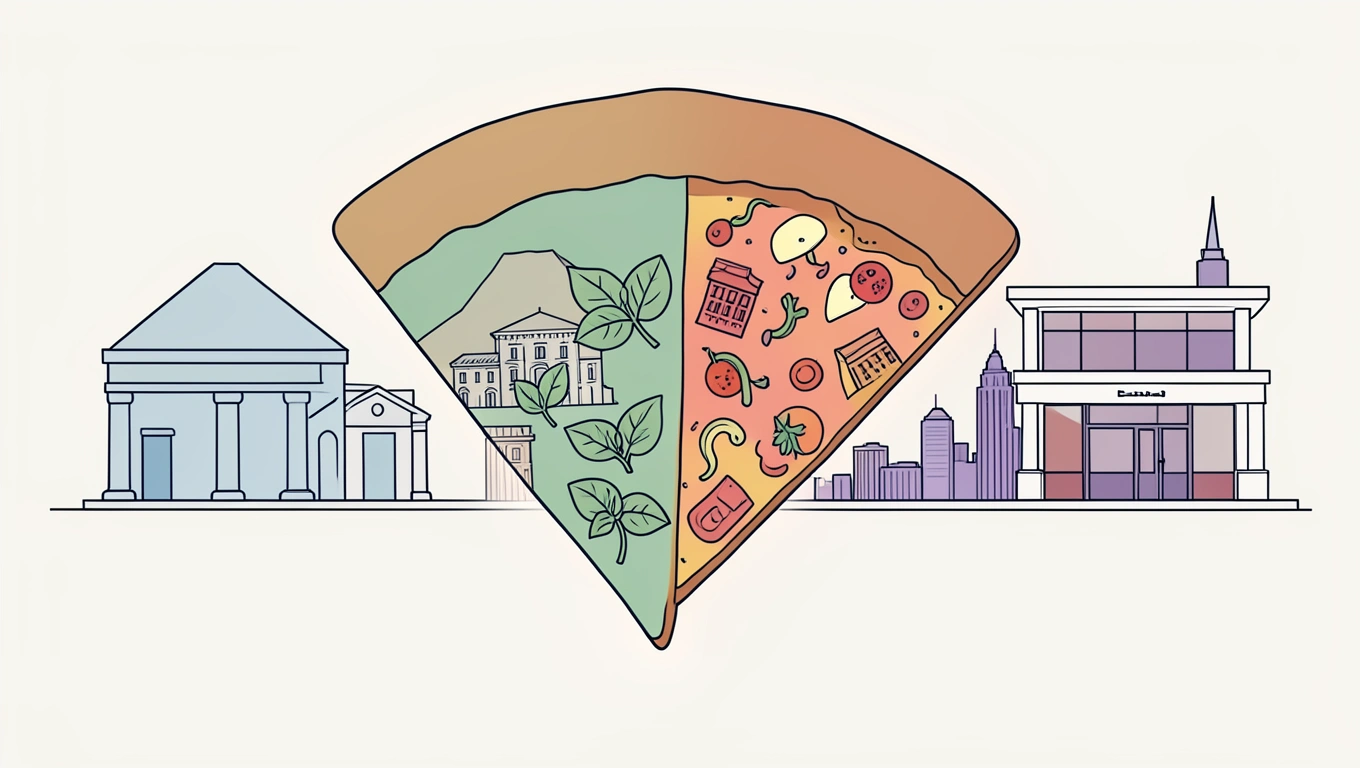
Pizza is one of the world's most beloved foods, enjoyed by millions every day from street corners in Brooklyn to cozy trattorias in Rome. But how did this simple flatbread topped with tomatoes and cheese become a global phenomenon? The journey from Naples to New York tells a story of cultural migration, culinary adaptation, and the universal appeal of really good food. Whether you grab a slice on your lunch break or sit down for a full pie with friends, understanding where pizza came from makes every bite taste a little more meaningful.
The Neapolitan Origins: Where It All Began
The modern pizza we recognize today was born in Naples, Italy, during the late 18th and early 19th centuries. While flatbreads with toppings existed across Mediterranean cultures for centuries, Naples transformed them into something distinct. The city's working-class neighborhoods needed affordable, filling food that could be eaten quickly, and pizza fit the bill perfectly.
Interestingly, the word "pizza" itself appears much earlier in history. The term was first documented in 997 AD in Gaeta, a coastal city south of Rome, though what that early "pizza" actually looked like remains a mystery. What we do know is that by the time tomatoes arrived in Europe from the Americas in the 16th century and Neapolitans overcame their initial suspicion of the fruit, the stage was set for the pizza we know today.
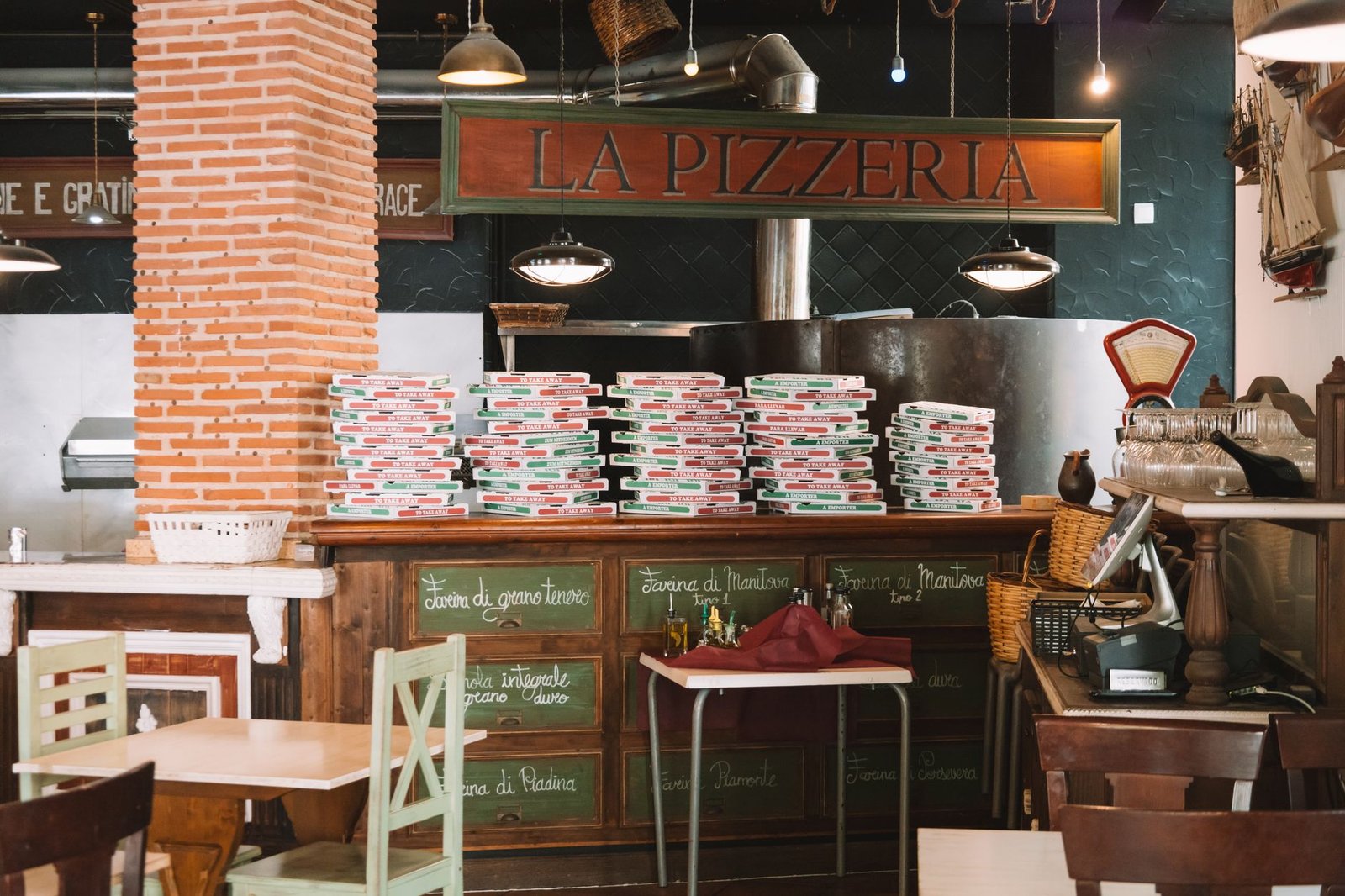
The most famous pizza to emerge from this period is the Pizza Margherita. According to popular legend, pizzaiolo Raffaele Esposito created it in 1889 to honor Queen Margherita of Savoy during her visit to Naples. The story goes that he deliberately chose toppings that represented the Italian flag: red tomatoes, white mozzarella, and green basil. It's a beautiful tale that has been repeated for generations.
But here's where it gets interesting. Some food historians believe the Esposito story might be more legend than fact. They point out that pizzas with these exact toppings already existed in Naples decades before 1889. Whether Esposito invented it or simply popularized it for royalty, the Margherita became an icon, and Naples cemented its place as the birthplace of modern pizza.
💡 Pro Tip: If you ever visit Naples, skip the touristy spots and head to the working-class neighborhoods like Forcella or Sanità. The pizzerias there still use wood-fired ovens and techniques passed down through generations, and you'll pay around 4-6 euros for an authentic Margherita that puts most American versions to shame.
Pizza Crosses the Atlantic: The American Journey Begins
The late 19th and early 20th centuries saw massive waves of Italian immigration to the United States. These immigrants, many from southern Italy and Naples in particular, brought their food traditions with them. Pizza arrived in American cities with significant Italian populations: New York, Philadelphia, Boston, Chicago, and beyond.
For decades, pizza remained largely within Italian-American communities. It wasn't yet the mainstream food it would become. Early pizzerias served primarily Italian immigrants who craved familiar tastes from home. The first pizzeria in the United States is widely recognized as Lombardi's in New York City, opened by Gennaro Lombardi in 1905. He started by selling tomato pies wrapped in paper and tied with string, sold from a small stand before eventually opening a full restaurant.
However, more recent research suggests that Filippo Milone may have operated a pizzeria as early as 1898, though records from that era are spotty at best. Regardless of who was technically first, what matters is that by the early 1900s, pizza had established a foothold in America, and it was evolving.
New York's pizza makers faced different circumstances than their Neapolitan cousins. They adapted the pizza to coal-fired ovens instead of the wood-fired ones common in Naples. They also made the pizzas larger and cooked them at slightly different temperatures, creating a crust that was crispy on the bottom but still foldable. This New York-style pizza became something distinct from its Italian ancestor, perfectly suited to feeding laborers who needed something substantial and affordable.
💡 Pro Tip: When you're ordering New York-style pizza, the fold is essential. The proper technique is to fold the slice lengthwise so the crust forms a U-shape, which keeps the toppings from sliding off and prevents the tip from flopping over. It's not just for show; it's actually the most practical way to eat a large, thin slice without making a mess.
The Birth of the Slice: Pizza Becomes Accessible
Pizza might have remained a sit-down meal if not for one key innovation: selling it by the slice. In 1933, Pasquale "Patsy" Lancieri started selling individual slices at his pizzeria in East Harlem. This simple idea revolutionized how Americans consumed pizza.
Suddenly, you didn't need to commit to an entire pie or gather a group. You could grab a slice or two on your way to work, during your lunch break, or as a quick snack. The price point was perfect for working-class New Yorkers during the Great Depression, and the convenience was unbeatable. Pizza by the slice turned pizza from an ethnic specialty into a true street food.
This innovation spread quickly throughout New York and eventually to other cities. Pizza parlors began opening everywhere, often run by Italian-American families but increasingly attracting customers from all backgrounds. The post-World War II era saw pizza's popularity explode as returning soldiers who had tasted it in Italy came home with new appetites, and as Americans became more adventurous eaters generally.
By the 1950s and 1960s, pizza had broken out of Italian neighborhoods completely. Chain pizzerias started appearing, bringing standardized versions of pizza to suburbs and small towns across America. While purists might argue about authenticity, there's no denying that pizza had become thoroughly American, adapted and reinvented countless times to suit local tastes and ingredients.
From Immigrant Food to American Icon
What makes pizza's journey from Naples to New York so compelling isn't just the geographical distance. It's the cultural transformation. Pizza went from being peasant food in Italy to immigrant comfort food in America to a dish that transcends all boundaries. Walk into any pizza place in New York today and you'll find people from every imaginable background, all united by their love of a good slice.
The New York pizza scene now encompasses far more than the classic coal-oven style. You'll find Sicilian squares, grandma pies, white pizzas, and endless creative toppings that would make Raffaele Esposito's head spin. Some traditionalists see this as sacrilege, while others view it as the natural evolution of a living culinary tradition.
Meanwhile, back in Naples, pizza-making earned recognition as a UNESCO Intangible Cultural Heritage in 2017, cementing its importance to Italian culture. Neapolitan pizzerias must follow strict guidelines about ingredients, preparation methods, and cooking techniques to earn the designation. The contrast is striking: Naples preserves tradition while New York embraces innovation, yet both cities claim pizza as fundamentally theirs.
The truth is they're both right. Pizza belongs to Naples historically and to New York culturally, and really, it belongs to anyone who loves it. That's perhaps the most beautiful part of this story - how a simple dish can travel thousands of miles, adapt to new contexts, and still retain something essential that connects us across time and place.
Conclusion
The history of pizza reveals something deeper about how food shapes culture and how culture shapes food. From the streets of Naples where it fed workers in the shadow of Vesuvius to the bustling corners of New York where it fueled a city of immigrants building new lives, pizza has always been more than just bread, cheese, and sauce. It's been sustenance, comfort, community, and home.
When you bite into a slice today, you're tasting centuries of history. You're experiencing the creativity of Neapolitan pizzaioli who perfected their craft in wood-fired ovens, the adaptation of Italian immigrants who rebuilt their traditions in a new world, and the ingenuity of people like Patsy Lancieri who made pizza accessible to everyone. The next time someone asks you why pizza matters so much, you'll know it's not just about how it tastes. It's about where it's been and what it represents: the resilience of food traditions, the beauty of cultural exchange, and the simple joy of sharing something delicious with the people around you.
FAQs
Why did pizza become so popular in New York specifically?
New York had one of the largest concentrations of Italian immigrants in America, particularly from southern Italy where pizza traditions were strongest. The city's coal-fired ovens and the working-class need for affordable, portable food created perfect conditions for pizza to thrive and evolve. The dense urban environment also meant lots of foot traffic, making pizza by the slice especially viable as a business model.
Is Neapolitan pizza actually better than New York-style pizza?
Neither is objectively better - they're simply different expressions of the same basic idea. Neapolitan pizza has a softer, chewier crust with a puffy cornicione (outer rim) and is meant to be eaten with a fork and knife. New York-style has a crisper, foldable crust designed to be eaten by hand. Both are delicious when made well, and preference comes down to personal taste and what you're in the mood for.
When did pizza become popular outside of Italian-American communities?
Pizza began breaking into mainstream American culture in the late 1940s and 1950s, particularly after World War II when soldiers returned from Italy with new food experiences. The growth of suburbanization and the rise of pizza chains in the 1960s brought pizza to communities across the country that had no significant Italian population, transforming it into a truly American food.
What makes authentic Neapolitan pizza different from other styles?
Authentic Neapolitan pizza must follow strict guidelines: specific types of flour, San Marzano tomatoes or similar varieties, fresh mozzarella (usually buffalo mozzarella), fresh basil, and extra virgin olive oil. It's cooked at extremely high temperatures (around 800-900°F) in a wood-fired oven for just 60-90 seconds, creating the characteristic leopard-spotting on the crust and a soft, slightly charred texture that's completely different from the crisp American styles.
How did pizza toppings evolve from the original Margherita?
In Naples, traditional toppings remained relatively simple - marinara, Margherita, and a few variations with anchovies, capers, or sausage. American pizza-makers began experimenting much more freely, adding pepperoni (which doesn't exist in Italy), multiple cheeses, vegetables, and eventually creative combinations influenced by other cuisines. This experimentation has now circled back to influence contemporary pizza-making worldwide, including in Italy where you'll occasionally find pizzerias offering American-inspired options alongside traditional ones.