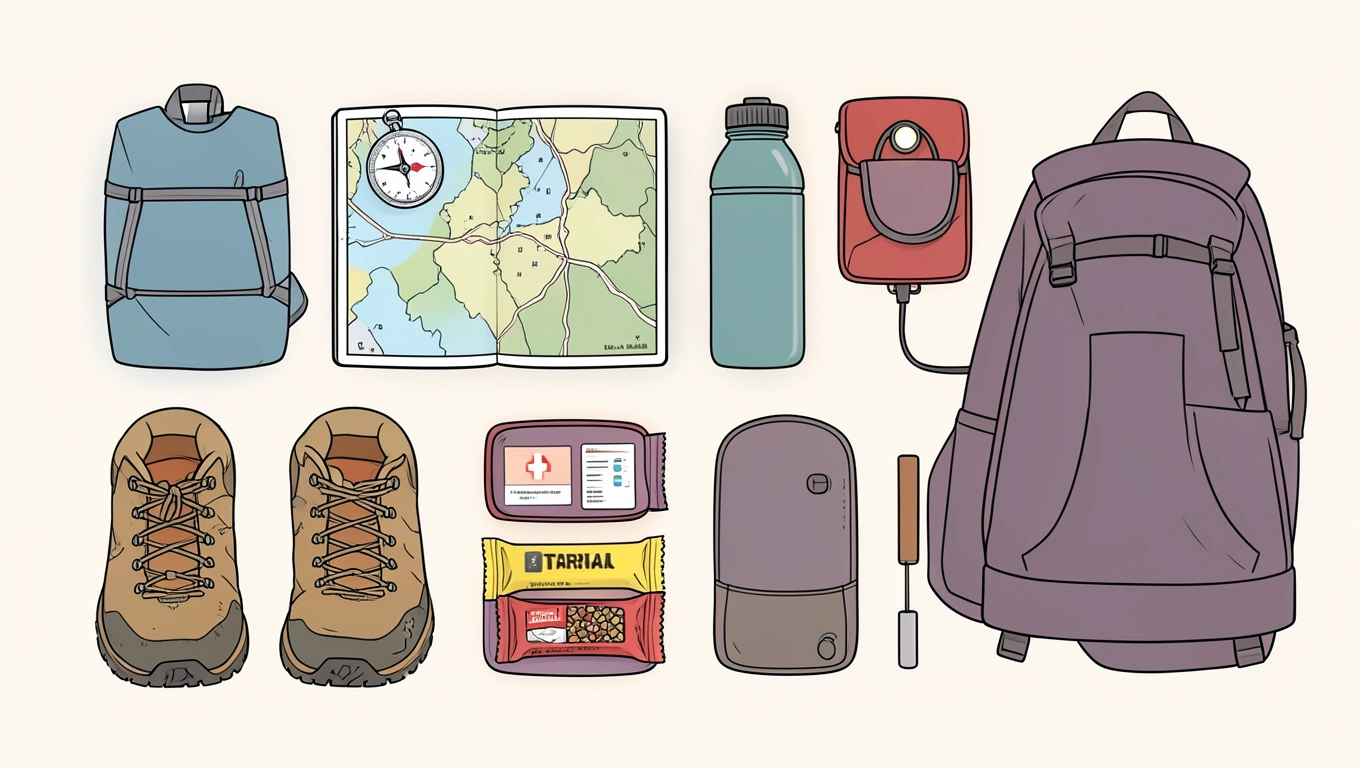
Stepping onto a trail for the first time is exciting, but showing up unprepared can turn a beautiful hike into a frustrating or even dangerous experience. Whether you're planning a gentle nature walk or a more challenging day hike, having the right gear makes all the difference between an adventure you'll remember fondly and one you'll want to forget. The good news is that you don't need to spend a fortune or fill an entire backpack to hike safely and comfortably. Understanding what truly matters and what you can skip will help you build confidence on the trail while staying safe, comfortable, and ready for whatever the outdoors throws your way.
Understanding the Ten Essentials System
Before you buy a single piece of gear, you need to know about the Ten Essentials. This isn't just a shopping list - it's a survival framework that the National Park Service recommends for every hiker. The system organizes your gear into ten categories: navigation, sun protection, insulation, illumination, first-aid supplies, fire, repair kit and tools, nutrition, hydration, and emergency shelter.
Think of these categories as your safety net. You might never need your headlamp on a short afternoon hike, but if you twist an ankle and can't get off the trail before sunset, you'll be incredibly grateful you packed it. The same goes for that emergency blanket taking up barely any space in your pack - it weighs almost nothing, but it could save your life if you get caught in unexpected weather.
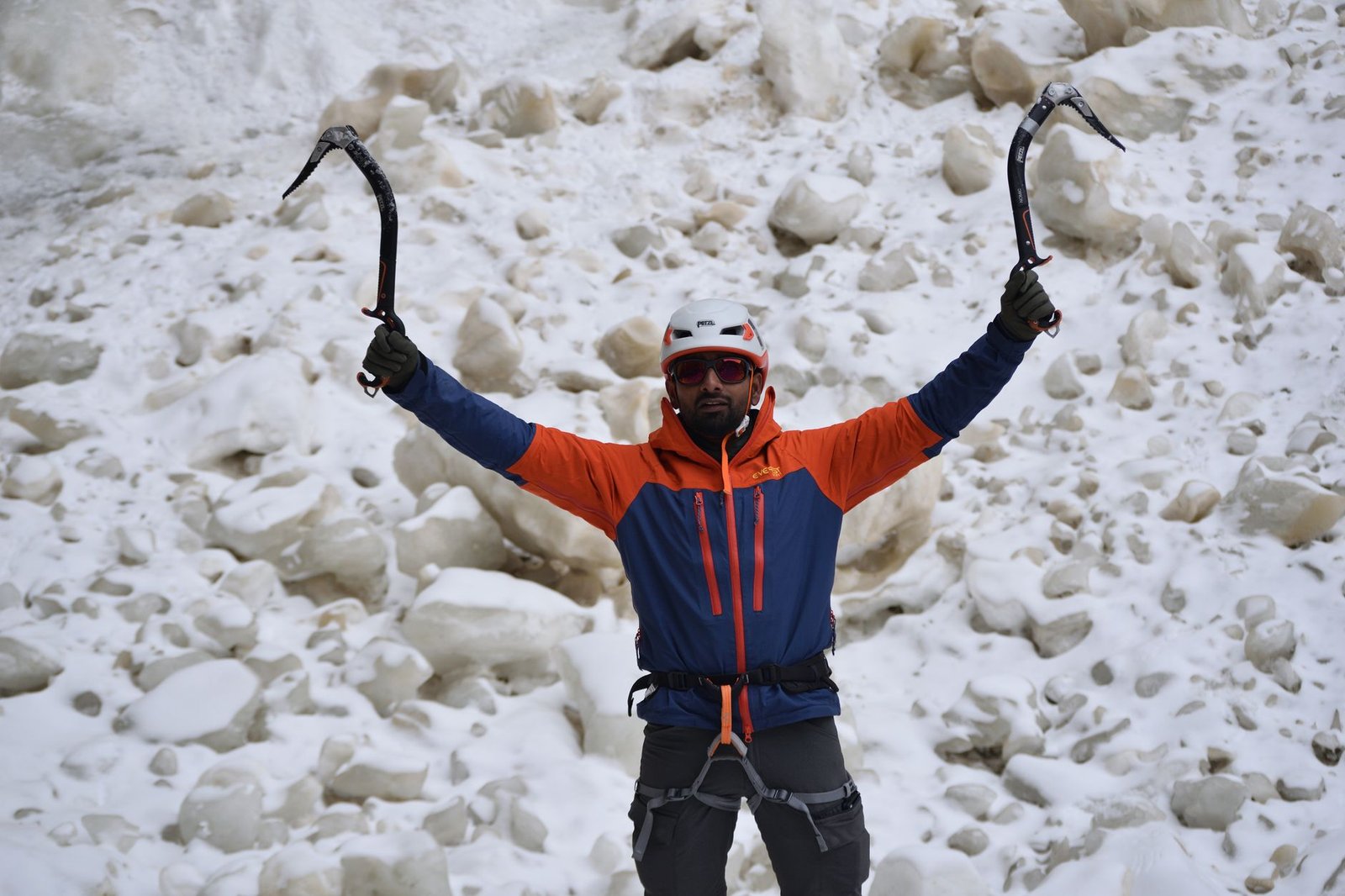
For beginners, the beauty of this system is that it scales with you. On a two-hour loop near your house, your Ten Essentials might be fairly minimal. For a full-day hike in unfamiliar terrain, you'll want more robust versions of each category. The categories themselves remain constant, giving you a reliable mental checklist every time you head out.
💡 Pro Tip: Download your trail map before you leave home and save it offline on your phone. Cell service disappears fast in the backcountry, and GPS navigation apps are useless without the map data already stored on your device.
Choosing Proper Footwear and Clothing
Your feet will make or break your hiking experience. Proper hiking footwear provides the support, protection, and traction you need on varied terrain, which is critical for preventing twisted ankles and painful blisters. For beginners, you don't necessarily need heavy mountaineering boots. Trail shoes or lightweight hiking boots work perfectly well for most day hikes on established trails.
What matters more than the specific style is the fit. Your hiking footwear should feel snug around your heel and midfoot but give your toes room to wiggle. Try them on with the socks you plan to hike in, and if possible, test them on an incline in the store. Your toes shouldn't jam forward when you walk downhill. Break in new footwear with several shorter walks before committing to a longer hike.
When it comes to clothing, one rule trumps everything else: avoid cotton. Cotton absorbs and holds moisture, making it nearly impossible to regulate your body temperature effectively. When you sweat or get caught in rain, cotton stays wet against your skin, pulling heat away from your body and leaving you cold and miserable. Instead, choose synthetic fabrics or merino wool that wick moisture away and dry quickly.
Layer your clothing so you can adjust as conditions change. Start with a moisture-wicking base layer, add an insulating mid-layer like a fleece, and carry a waterproof outer shell. You'll likely shed layers as you warm up during the climb and add them back during breaks or on the descent.
💡 Pro Tip: Bring a fresh pair of socks in your pack. If your feet get wet or sweaty halfway through your hike, changing into dry socks feels like a completely new start and dramatically reduces your blister risk.
Staying Hydrated and Fueled
Water is non-negotiable. Staying adequately hydrated maintains your energy levels, regulates body temperature, prevents heat-related illness, and keeps your muscles working effectively. As a general baseline, plan to drink about half a liter per hour of moderate hiking, more if it's hot or you're working hard on steep terrain.
Carry more water than you think you'll need, especially when you're starting out and still learning how much your body requires. A hydration bladder or a couple of water bottles both work fine - choose based on what feels comfortable for you. If you're hiking somewhere with reliable water sources, consider bringing a simple filter or purification tablets so you can refill along the way rather than carrying everything from the start.
Food matters just as much as water. Your body burns through calories quickly when hiking, and running low on fuel leads to fatigue, poor decision-making, and increased injury risk. Pack calorie-dense snacks that don't require preparation - trail mix, energy bars, dried fruit, jerky, or nut butter packets all travel well. Plan to eat something small every hour rather than waiting until you feel hungry. By the time hunger hits, you're already running low on energy.
For longer hikes, bring a real meal you can eat during a rest break. A sandwich, wrap, or bagel with your favorite toppings gives you something to look forward to and provides sustained energy for the second half of your hike.
Navigation and Communication Safety
Getting lost is easier than you think, even on popular trails. Navigation tools should always be in your pack. Your smartphone with a GPS app works well, but phones die, get dropped, or stop working in cold weather. Carry a physical map of the area and a basic compass as backup. You don't need advanced orienteering skills for most beginner trails, but knowing how to orient your map and identify major landmarks gives you confidence and keeps you on track.
Before you leave, tell someone where you're going and when you expect to return. This simple step is one of the most critical safety measures you can take, especially since cell phone service is unreliable in many backcountry areas. If something goes wrong and you don't check in when expected, someone will know where to start looking.
Write down your planned route, trailhead location, and estimated return time. Send it to a friend or family member, and make it a habit to text them when you're back safely. It takes thirty seconds and could save your life.
Consider carrying a whistle as part of your safety kit. If you get injured or lost, blowing a whistle carries much farther than your voice and requires far less energy than shouting for help. Three short blasts is the universal signal for distress.
Building Your First-Aid and Emergency Kit
Even short, easy hikes warrant a basic first-aid kit. You don't need a trauma bag designed for wilderness medicine, but you should be able to handle common trail mishaps like blisters, small cuts, twisted ankles, and headaches. A pre-made hiking first-aid kit works great for beginners and typically includes bandages, gauze, antiseptic wipes, blister treatments, pain relievers, and basic medications.
Add a few personal items based on your needs - any prescription medications you take regularly, antihistamines if you have allergies, and perhaps an anti-inflammatory like ibuprofen. Include a small emergency blanket, which folds down to the size of a deck of cards but provides crucial warmth retention if you get stuck outside longer than planned.
Learn basic first aid before you need it. Take a wilderness first aid course if you plan to hike regularly, or at minimum, watch some videos and read through basic injury protocols. Knowing how to properly treat a sprained ankle or recognize the signs of dehydration makes you a more confident, capable hiker.
Beyond medical supplies, pack a multi-tool or knife, some duct tape wrapped around a water bottle, and a lighter or waterproof matches. These items take up minimal space but give you options if you need to make a repair, build an emergency shelter, or start a fire in an unexpected situation.
Conclusion
Hiking doesn't require an expensive gear collection or years of experience to start safely. What it does require is thoughtful preparation and respect for the outdoors. By focusing on the Ten Essentials, choosing appropriate footwear and clothing, staying hydrated and fueled, planning your navigation, and carrying basic safety gear, you're setting yourself up for positive experiences on the trail. Start with shorter, well-marked trails close to home while you build your skills and learn what works for your body. Pay attention to how much water you actually drink, which snacks give you the most energy, and how your feet feel in different types of terrain. Each hike teaches you something, and that knowledge compounds into real confidence. The trails are waiting, and with the right essentials in your pack, you're ready to meet them.
FAQs
How much should I expect to spend on hiking gear as a complete beginner?
You can start hiking with a solid foundation of essentials for around $150 to $250 if you shop carefully. This covers decent trail shoes ($60-$100), a basic daypack ($40-$60), water bottles or a hydration bladder ($20-$30), and a starter first-aid kit ($15-$25). You can often use clothing you already own as long as it's not cotton. Borrow or rent specialty items like trekking poles until you decide if hiking is something you want to pursue long-term.
What's the difference between a day hike and a backpacking trip in terms of gear?
Day hiking means you return to your starting point the same day, so you only carry supplies for those hours on the trail. Backpacking involves overnight stays in the wilderness, requiring a much larger pack with a sleeping bag, tent or shelter, cooking equipment, extra food, more clothing, and additional water treatment options. As a beginner, stick with day hikes until you're completely comfortable with the basics before adding the complexity and weight of overnight gear.
How do I know if a trail is appropriate for my fitness level?
Look at three key factors: total distance, elevation gain, and trail difficulty rating. Most trail websites and apps provide these details. Start with trails under 5 miles roundtrip with less than 500 feet of elevation gain rated as easy or moderate. Read recent trip reports to see what other hikers say about current conditions, obstacles, and how long the hike actually took them. Your first few hikes will calibrate your sense of what feels challenging versus comfortable.
Is it safe to hike alone as a beginner?
Solo hiking increases your risk because you have no immediate help if something goes wrong, but many people hike alone safely by taking extra precautions. If you choose to hike solo as a beginner, stick to popular, well-maintained trails with good cell coverage and regular foot traffic. Always tell someone your exact plans and expected return time. Carry all your safety essentials, stay on marked trails, and turn back early if conditions change or you feel uncomfortable. Consider joining a hiking group or finding a partner until you build more experience.
What should I do if I encounter wildlife on the trail?
Stay calm and give animals plenty of space - most wildlife wants nothing to do with humans and will move away if given the chance. Never approach or feed any wild animal, no matter how small or cute. For larger animals like deer or elk, back away slowly and detour around them at a wide distance. If you're hiking in bear country, carry bear spray, make noise while hiking to avoid surprise encounters, and know how to respond to different bear behaviors. Research the specific wildlife in your hiking area before you go and learn the recommended protocols for each species you might encounter.