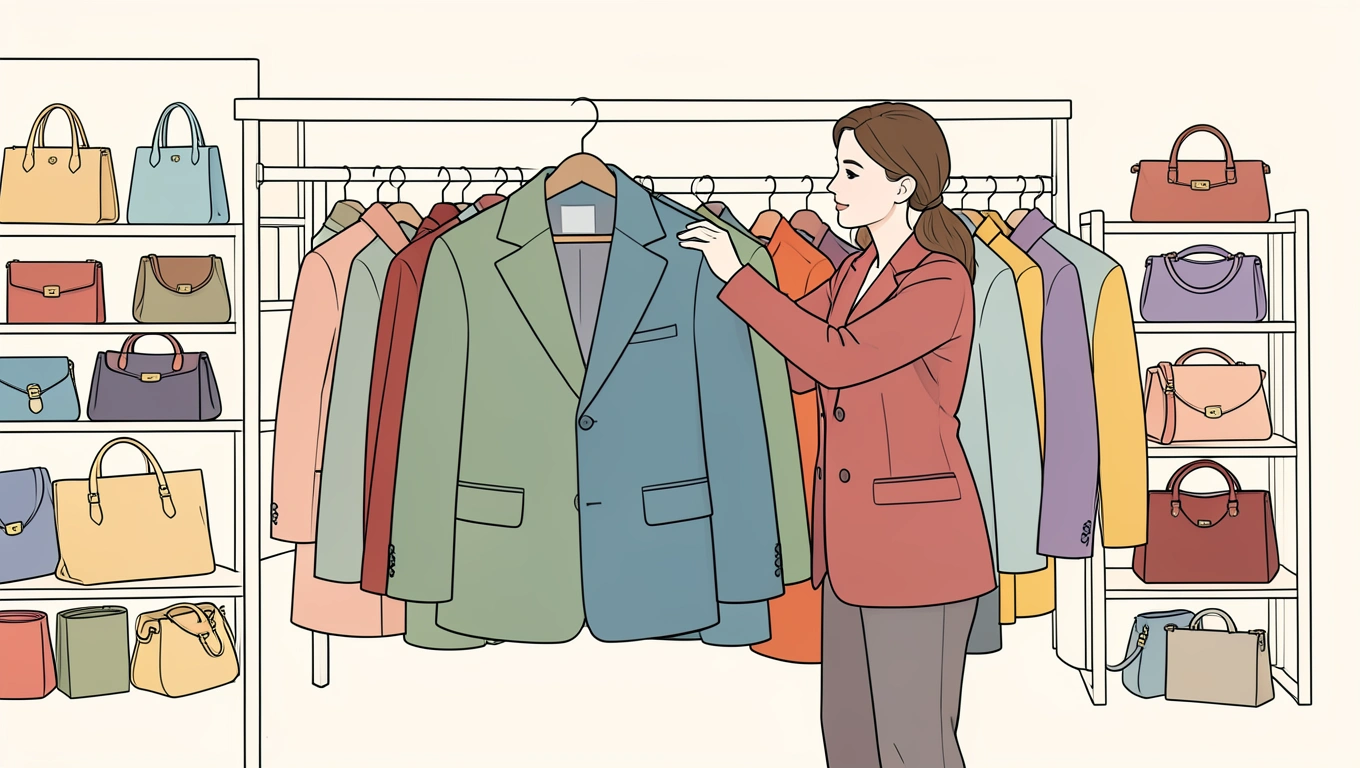
Walking into a thrift store and finding a designer label for a fraction of its original price is one of life's small victories. But it's not just about luck. With a bit of strategy and patience, you can turn secondhand shopping into a treasure hunt that fills your closet with high-end brands while keeping your bank account happy. The best thrifters know where to look, what to look for, and when to show up. Whether you're hunting for a classic leather handbag, a wool coat, or a perfectly tailored blazer, the right approach can help you spot quality pieces that others walk right past.
Shop in the Right Neighborhoods
Location matters more than you might think. Thrift stores in affluent neighborhoods receive donations from people who can afford high-end brands in the first place. That means you're more likely to find a Burberry trench coat or a pair of Gucci loafers in a shop near a wealthy suburb than in a store downtown. The people donating in these areas often refresh their wardrobes seasonally and donate pieces that are barely worn.
You don't need to live in these neighborhoods to benefit. Plan a Saturday morning trip to a few thrift stores in different areas and compare what you find. Pay attention to which locations consistently have better inventory. Some shoppers make it a monthly ritual to visit stores in upscale zip codes, and the effort pays off. You might drive an extra twenty minutes, but that's a small price for a $40 Prada bag that originally sold for $800.
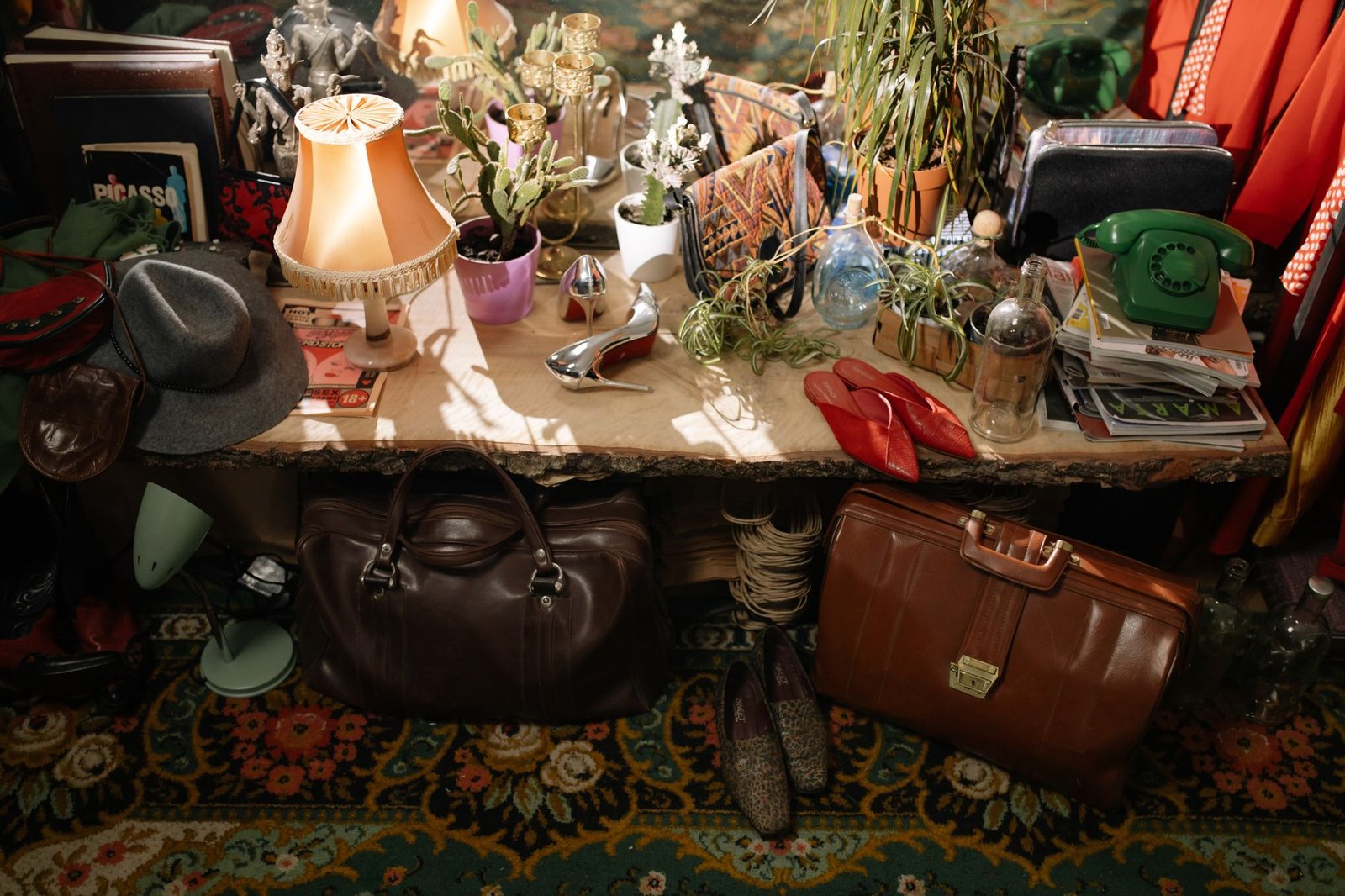
Also consider the type of thrift store. Consignment shops in wealthy areas often carry authenticated designer pieces, though at slightly higher prices than traditional thrift stores. But even then, you're still paying far less than retail. Chain thrift stores like Goodwill can be hit or miss, but their locations near country clubs or gated communities tend to surprise you with unexpected finds.
💡 Pro Tip: Before you head out, look up thrift stores on Google Maps and cross-reference them with median home prices in the area. Target neighborhoods where homes sell for $500,000 or more, and you'll dramatically increase your odds of finding designer donations.
Learn to Spot Quality Materials and Construction
Not all designer labels are created equal, and not everything that looks expensive actually is. The first thing you should check is the fabric content. High-end garments typically feature quality materials like silk, wool, 100% cotton, or genuine leather. Flip over the tag and read what the piece is made of. If you see polyester blends or synthetic fabrics, it's probably not worth the premium, even if it has a fancy name on the label.
Next, examine the construction. Look for sturdy hardware like YKK zippers or engraved buttons, which signal that the manufacturer didn't cut corners. Check the stitching too. Authentic designer items feature precise, even stitching with no loose threads. The seams should be neat and flat, and if there's a pattern, it should align perfectly across seams and pockets. A misaligned plaid or stripe is a red flag that you're looking at a knockoff or a poorly made piece.
Pay close attention to labels as well. Designer labels are sewn in neatly with consistent fonts and spacing. If the tag looks crooked, printed instead of woven, or has misspellings, walk away. Some counterfeiters are good, but they rarely nail these small details. Run your fingers along the interior seams and lining. Quality brands finish their garments beautifully on the inside, not just the outside.
💡 Pro Tip: Bring a small flashlight or use your phone's light to inspect stitching and fabric weave up close. Natural light in thrift stores can be dim, and you'll catch flaws or quality details you'd otherwise miss under fluorescent bulbs.
Time Your Visits Strategically
When you show up matters just as much as where you go. Most thrift stores receive the bulk of their donations over the weekend, when people have time to clean out their closets. That means the best time to shop is Tuesday or Wednesday mornings, after staff have had time to process and put out new inventory. Stores are also less crowded mid-week, so you won't be competing with a dozen other shoppers digging through the same racks.
Early morning visits give you first dibs on fresh stock. Some serious thrifters arrive right when the doors open, especially at stores known for rotating inventory quickly. If you can only shop on weekends, aim for Sunday mornings rather than Saturday afternoons, when picked-over racks are the norm.
Another smart strategy is to ask staff when they restock specific sections. Some stores have schedules for putting out women's clothing versus men's or accessories. Building a friendly rapport with employees can also give you insider tips on when big donations come in. Estate sales often result in bulk donations of high-quality vintage pieces, and staff might give you a heads-up if you're a regular.
Focus on High-Value Categories
Not all clothing categories are equal when it comes to thrifting designer pieces. If you want the best return on your time, focus on specific categories like designer handbags, outerwear, and men's formal wear. These items retain significant resale value and are more likely to be authentic when you find them in thrift stores.
Handbags are a goldmine because people often donate them when they're no longer trendy, even if they're in excellent condition. Look for classic styles from brands like Coach, Michael Kors, or Kate Spade. Check the hardware for weight and quality, inspect the stitching, and examine the lining for brand tags. A real Coach bag will have a creed patch inside with a serial number.
Outerwear is another category worth your attention. Wool coats, leather jackets, and trench coats from brands like Burberry, Ralph Lauren, or Armani can last for decades if cared for properly. These pieces were expensive new, so even gently used versions are a steal at thrift store prices. Check the collar and cuffs for wear, and make sure zippers and buttons work smoothly.
Men's formal wear often gets overlooked, but it's one of the best-kept secrets in thrifting. Suits, dress shirts, and ties from brands like Hugo Boss, Brooks Brothers, or Ted Baker show up regularly because men's fashion trends change slowly, and people donate perfectly good pieces after minor weight changes. A $600 suit for $30 is not uncommon if you know your measurements and shop consistently.
Conclusion
Thrifting for high-end brands isn't just about saving money. It's about developing an eye for quality, learning patience, and enjoying the hunt. The more you do it, the better you get at spotting a hidden gem in a sea of fast fashion. You'll start to recognize the weight of real silk, the sheen of genuine leather, and the telltale signs of expert tailoring. And beyond the financial win, there's something deeply satisfying about wearing a piece with history, knowing you gave it a second life instead of letting it gather dust in someone's closet. Start small, stay consistent, and remember that every experienced thrifter once walked past a treasure without realizing it. The difference is, they kept going back.
FAQs
How can I tell if a designer item at a thrift store is authentic?
Check for quality materials like silk or genuine leather, inspect the stitching for precision and evenness, and look for brand-specific details like engraved hardware or serial numbers inside bags. Authentic pieces have labels with consistent fonts and are sewn in neatly, never crooked or printed. Research the brand's authentication markers online before you shop.
What are the best days to find new inventory at thrift stores?
Tuesday and Wednesday mornings are ideal because stores have processed weekend donations and put new items on the floor. Weekday mornings are also less crowded, giving you a better chance to browse without competition. Some stores restock daily, so ask staff about their schedule.
Are thrift stores in wealthy areas really better for finding designer brands?
Yes, stores in affluent neighborhoods receive higher-end donations because residents can afford luxury brands and refresh their wardrobes more frequently. The quality and variety of designer items are noticeably better in these locations compared to stores in lower-income areas.
What categories should I focus on when thrifting for high-value items?
Designer handbags, outerwear like wool coats and leather jackets, and men's formal wear offer the best value and resale potential. These categories retain quality over time and are more likely to be authentic when found secondhand. Accessories like scarves and belts from luxury brands are also worth checking.
How much can I realistically save by thrifting designer brands?
You can save 70 to 90 percent off retail prices. A handbag that originally sold for $800 might cost $40 at a thrift store, and a $600 suit could be yours for $30. The savings depend on the item's condition, the store's pricing strategy, and how well you can identify quality pieces.