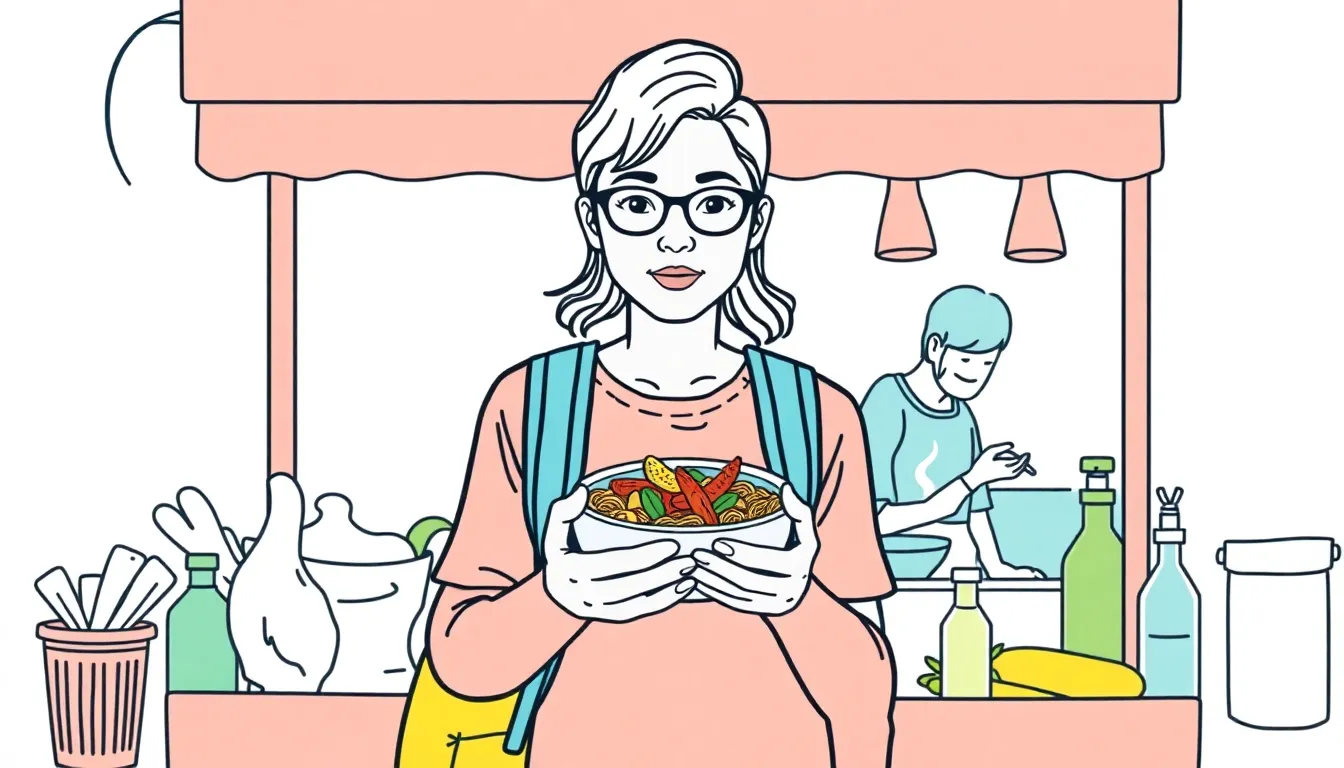
Street food is one of the great joys of traveling. The sizzle of a wok in Bangkok, the aroma of grilled meat in Mexico City, the steam rising from dumplings in Shanghai - these moments often become the memories we treasure most. But along with the excitement comes a legitimate concern: how do you enjoy these authentic culinary experiences without spending the next three days hugging a toilet? The good news is that getting sick from street food isn't inevitable. With some practical knowledge and a few smart choices, you can eat your way through almost any destination and come home with nothing but great stories and possibly tighter pants.
Why Street Food Gets a Bad Reputation
Street food has an image problem in many Western countries. We've been conditioned to associate safe food with sterile kitchens, health inspections, and refrigeration. A cart on a busy street corner doesn't exactly scream "sanitary conditions." But here's what that reputation often misses: street food vendors frequently serve fresher food than many restaurants. They buy ingredients daily, cook everything to order, and their entire business depends on keeping customers happy and healthy. Word travels fast in local communities, and a vendor making people sick doesn't stay in business long.
That said, the risks are real. Foodborne illness happens when bacteria, viruses, or parasites contaminate what you eat. The culprits are usually poor hygiene, improper cooking temperatures, contaminated water, or food sitting out too long in warm conditions. The difference between a great meal and a miserable few days often comes down to understanding these risks and knowing what to look for. You're not trying to eliminate all risk - that's impossible and would mean missing out on incredible experiences. You're just trying to be smart about it.
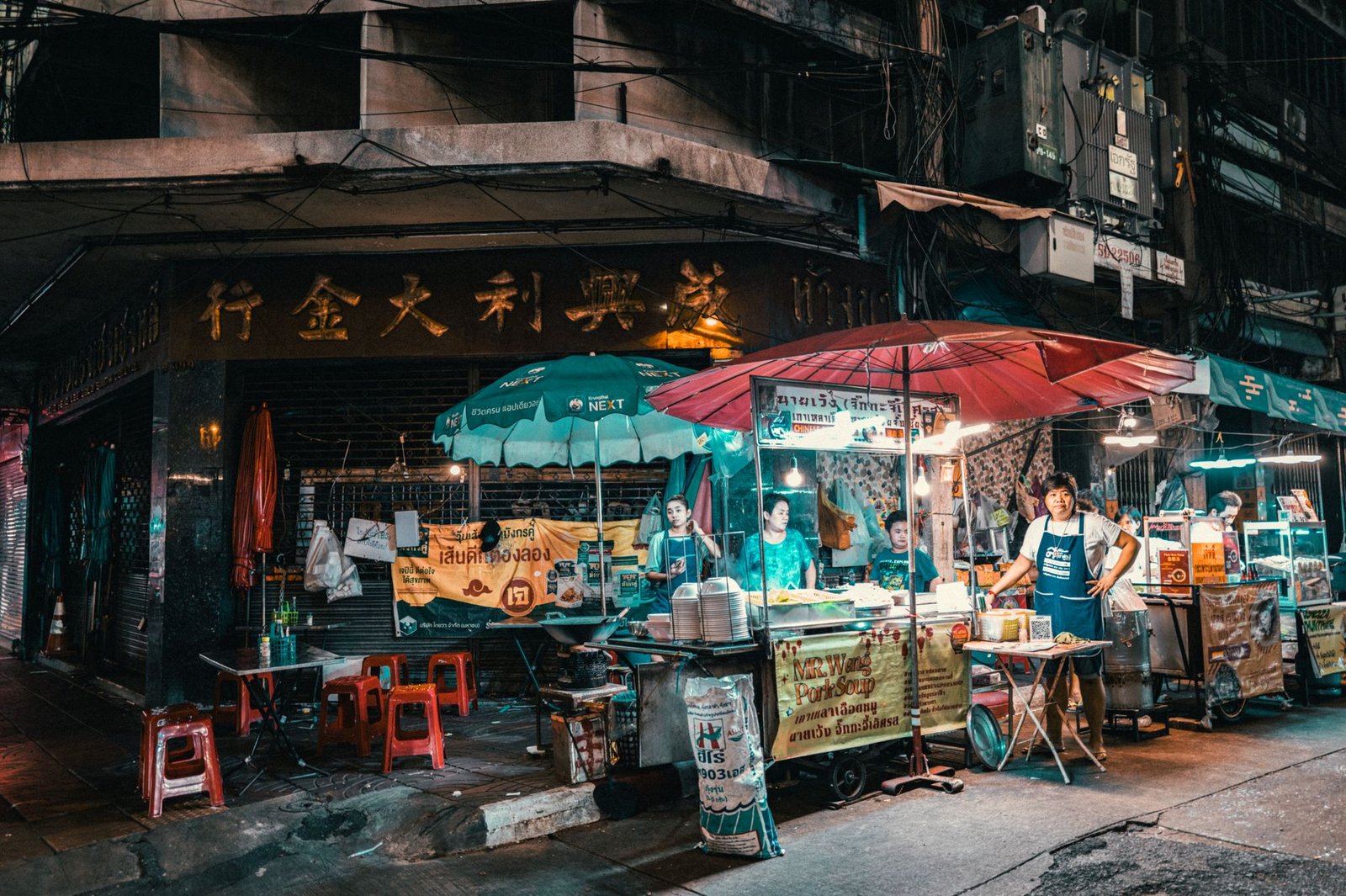
💡 Pro Tip: Look for street stalls where the cook and cashier are different people. When one person handles money and then immediately touches your food without washing hands, that's a red flag. Separation of duties usually means better hygiene practices overall.
The Hot Food Rule Is Your Best Friend
If you remember nothing else from this article, remember this: eat food that is cooked thoroughly and served hot. High heat kills the vast majority of dangerous germs that cause food poisoning. This is your single most powerful defense. When food comes off a grill, out of a fryer, or from a steaming pot, the bacteria and parasites that might have been present are dead. Watch the vendor prepare your food when possible. If you can see it go from raw to cooked to your plate within minutes, you're in good shape.
This is why grilled skewers, fresh-fried spring rolls, steaming bowls of noodle soup, and made-to-order tacos are generally safer bets than pre-made sandwiches sitting on a counter or room-temperature salads. The crucial moment is when food crosses from the safe zone of high heat into the danger zone where bacteria multiply rapidly - roughly between 40 and 140 degrees Fahrenheit. Food that sits in this range for more than a couple hours becomes risky. So you want things that go from fire-hot to your hands quickly.
Fried foods get a special mention here. Deep frying brings food to very high temperatures, making it one of the safest cooking methods from a bacteria-killing standpoint. Those crispy samosas, golden churros, or fried chicken pieces? They're not just delicious; they're also relatively safe choices. Just make sure the oil looks clean and the vendor isn't reusing oil that's turned dark and full of burnt bits.
💡 Pro Tip: When ordering noodle soup or any dish with broth, make sure it arrives actually boiling or steaming hot, not lukewarm. If it's not hot enough to make you blow on the first spoonful, send it back or walk away - that temperature difference matters more than you think.
The Water Problem Extends Beyond What You Drink
Everyone knows to avoid tap water in certain countries, but many travelers forget that water contamination affects more than just drinking. Those fresh vegetables on your plate? They were likely washed with local tap water. That refreshing fruit salad? Same story. Even the ice in your drink comes from the same water source. This is why the standard advice is to avoid uncooked vegetables and unpeeled fruits in places where water quality is questionable.
Stick to fruits you can peel yourself - bananas, oranges, mangoes. The protective skin keeps the edible part safe. For vegetables, cooked is safer than raw. That amazing-looking papaya salad might be calling your name, but if you're in a place where locals don't drink the tap water, you probably shouldn't eat raw vegetables that have been washed in it. The same bacteria that cause problems when you drink contaminated water will cause problems when you eat food washed in it.
Ice cubes deserve special attention because they're easy to forget about. You might carefully order bottled water but then accept a fruit shake with ice blended in, or a cocktail served over ice. In many developing countries, ice is made from untreated tap water. If locals avoid the ice, you should too. When ordering drinks, specifically say "no ice" or stick to beverages in sealed bottles. Yes, warm soda isn't ideal in tropical heat, but it beats spending your vacation in the bathroom.
Follow the Crowds and Trust Your Instincts
One of the best indicators of safe street food is a long line of local customers. High turnover means the food is fresh and popular, and the vendor is doing something right. If locals trust a place enough to eat there regularly, that's a strong endorsement. These vendors can't afford to make people sick because their reputation is everything. They're cooking all day, ingredients are constantly being replenished, and nothing sits around for long.
Conversely, be cautious about empty stalls even if they look clean. Food sitting under heat lamps or in warming trays for unknown periods is a gamble. The vendor might be perfectly hygienic, but if you don't know how long that food has been sitting there, you're taking an unnecessary risk. The same goes for food that's been pre-cooked and is waiting to be reheated. You want to see your meal prepared fresh.
Trust your gut - literally and figuratively. If something looks off, smells wrong, or just gives you a bad feeling, walk away. There will always be another food stall. Notice if the vendor's hands are clean, if the cooking area looks maintained, if raw and cooked foods are kept separate. These details matter. You're not being paranoid or overly cautious; you're being smart. Sometimes the most authentic experience is the one that doesn't make you sick.
And always, always wash or disinfect your hands before eating. Carry hand sanitizer or antibacterial wipes. You might not find a sink with soap at every street stall, but you can control your own hygiene. A huge number of foodborne illnesses come from touching contaminated surfaces and then eating with your hands or touching your mouth. This simple step dramatically reduces your risk.
Conclusion
Eating street food abroad doesn't have to be a game of Russian roulette. The vendors cooking on street corners, at night markets, and in food stalls aren't trying to poison tourists - they're feeding their communities and building businesses based on trust and quality. Your job is simply to make informed choices. Choose hot, freshly cooked food over anything that's been sitting around. Avoid raw vegetables and unpeeled fruits when water quality is questionable. Drink bottled water and skip the ice. Eat where the locals eat, and pay attention to basic hygiene cues. With these guidelines, you can dive into the food scene of almost any destination with confidence. The world's best meals are often the ones that cost a few dollars from a street cart, and you shouldn't let fear keep you from experiencing them. Just go in with your eyes open and your common sense engaged.
FAQs
Can I brush my teeth with tap water in countries where drinking water isn't safe?
This depends on how sensitive your stomach is and the specific destination. In general, if you're advised not to drink the tap water, use bottled water for brushing your teeth too. Even the small amount of water you might swallow while brushing can contain enough bacteria to cause problems, especially in the first few days before your system adjusts. Keep a bottle of water in your bathroom specifically for this purpose.
Are there any medications I should take before eating street food?
Taking preventive antibiotics isn't recommended for healthy travelers, as it can lead to antibiotic resistance and other issues. However, carrying anti-diarrheal medication like loperamide and oral rehydration salts is smart. Some travelers also take probiotics starting a week before their trip to support gut health, though scientific evidence on effectiveness is mixed. Focus on prevention through food choices rather than relying on medication.
How long does it typically take for food poisoning symptoms to appear?
Symptoms can appear anywhere from a few hours to several days after eating contaminated food, depending on what caused the illness. Bacterial infections like E. coli or Salmonella usually show symptoms within 12 to 72 hours. Viral infections might take 24 to 48 hours. This delayed onset means the meal you think made you sick might not actually be the culprit - it could have been something you ate a day or two earlier.
Is seafood from street vendors safe to eat?
Seafood requires extra caution because it spoils quickly and can harbor specific parasites and bacteria. If you're in a coastal area where seafood is a specialty and you see it cooked fresh at high heat - grilled fish, fried shrimp, steamed mussels - it's generally fine. Avoid raw or undercooked seafood like ceviche unless you're at a reputable establishment. Also check that seafood doesn't smell overly fishy, which indicates it's not fresh.
What should I do if I get food poisoning despite taking precautions?
Mild food poisoning usually resolves on its own within 24 to 48 hours. Stay hydrated with bottled water or oral rehydration solutions - dehydration is the biggest risk. Avoid eating solid food until nausea passes, then start with bland foods like crackers or rice. Seek medical attention if you have severe symptoms like bloody stools, high fever above 102°F, signs of dehydration, or symptoms lasting more than three days. Contact your travel insurance provider and know where the nearest clinic or hospital is located.