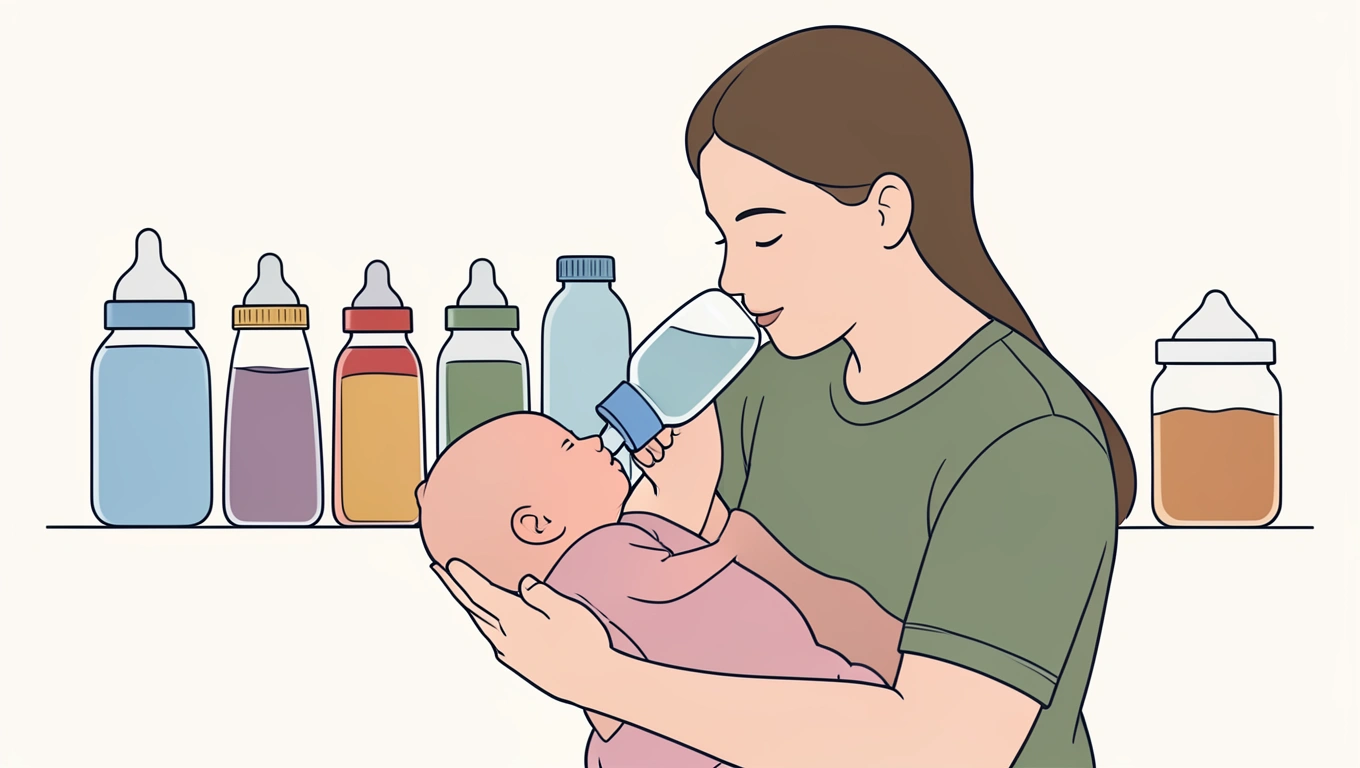
Bottle feeding your newborn for the first time can feel overwhelming. You hold this tiny person in your arms, a bottle in your hand, and suddenly wonder if you're doing it right. Will they latch? Will they choke? How much should they drink? The good news is that bottle feeding, whether you're using formula or expressed breast milk, is a skill you can learn and master quickly. With a few practical techniques and some patience, you'll find your rhythm. This guide walks you through everything you need to know to make bottle feeding calm, safe, and stress-free for both you and your baby.
Choosing the Right Equipment and Getting Started
Before your first feed, you need the right gear. Bottles come in all shapes and sizes, but what matters most at the start is the nipple flow. Using a slow-flow nipple is generally recommended when starting bottle feeding, as it mimics the slower flow of breast milk and prevents your baby from being overwhelmed. Fast-flow nipples can cause your newborn to gulp too quickly, leading to gas, spit-up, or refusal.
When selecting bottles, consider both the material (glass, plastic, or silicone) and the shape. Some babies prefer angled bottles, while others do fine with straight ones. You don't need to buy a dozen bottles right away. Start with two or three different types and see what your baby accepts. If you're combining breastfeeding and bottle feeding, it's often suggested to offer expressed breast milk in the bottle first, as the familiar taste can help the baby accept the bottle more easily.

Sterilization is crucial in the early weeks. Wash all bottle parts in hot, soapy water, then sterilize them using a steam sterilizer, boiling water, or a microwave sterilizer. After the first few months, a thorough wash in hot water is usually sufficient, but always check current guidelines for your region.
💡 Pro Tip: Keep a bottle-feeding station set up in your most-used feeding spot. Stock it with a burp cloth, a clean bottle, and a small water bottle for yourself. When you're exhausted at 3 a.m., having everything within arm's reach makes the feed so much smoother.
Mastering Paced Bottle Feeding Technique
How you feed matters as much as what you feed. Paced bottle feeding, which mimics breastfeeding by slowing the milk flow and allowing the baby to control the pace, can help reduce gas and discomfort. This method prevents your baby from gulping too fast and gives them time to recognize when they're full.
To practice paced feeding, hold your baby in a more upright position rather than cradling them flat. Keep the bottle horizontal so the nipple is only half-filled with milk. This position requires your baby to work a bit to draw the milk, similar to breastfeeding. Every few minutes, tip the bottle down or remove it gently to give your baby a break. Watch for cues like turning their head away, slowing their sucking, or relaxing their hands - these signal they need a pause or might be full.
Never prop a bottle up. This practice can lead to choking, ear infections, or tooth decay. Your baby needs you present during feeds, not just for safety but for the bonding that happens during this time. Eye contact, gentle talking, and skin contact all contribute to their emotional development.
How much should your baby drink? Newborns typically start with 1-2 ounces per feeding and gradually increase. By one month, they might take 3-4 ounces every three to four hours. But every baby is different. The best guide is your baby - if they seem satisfied, produce plenty of wet diapers, and are gaining weight, they're getting enough.
💡 Pro Tip: If your baby keeps pushing the bottle out or turning away after just an ounce, check the nipple flow. Sometimes what looks like refusal is actually frustration with a nipple that's either too fast or too slow. Trying a different flow or shape can completely change the feeding experience.
Troubleshooting Common Bottle Feeding Challenges
Even with the best preparation, you'll hit snags. Bottle refusal is one of the most common and frustrating issues. If a baby is refusing the bottle, trying different nipple shapes, temperatures, or feeding positions can be helpful. Some babies prefer slightly warmed milk that mimics body temperature, while others will take it at room temperature.
Timing matters too. Introducing a bottle around 4 to 6 weeks old, once breastfeeding is well-established, is often recommended to avoid nipple confusion. If you wait too long, some babies become so accustomed to breastfeeding that they resist bottles entirely. If you introduce it too early, they might develop a preference for the easier flow of a bottle.
Sometimes having someone other than the breastfeeding parent offer the bottle helps. Babies are smart - they can smell milk on the person who usually nurses them and might refuse a bottle from that person while accepting it from a partner or grandparent. Bottle feeding enables other family members or partners to share feeding responsibilities, offering the primary caregiver a much-needed break.
Gas and fussiness often stem from swallowing air during feeds. Make sure the nipple stays full of milk during feeding. Burp your baby midway through the bottle and again at the end. Hold them upright against your chest and gently pat or rub their back. Some babies burp easily, others take longer. If gas continues to be an issue, consider bottles designed to reduce air intake or consult your pediatrician about whether your baby might have a sensitivity.
Temperature consistency also helps. Test the milk temperature on the inside of your wrist - it should feel lukewarm, not hot. Never microwave bottles, as this creates hot spots that can burn your baby's mouth. Use a bottle warmer or place the bottle in warm water for a few minutes instead.
Safety and Hygiene Best Practices
Bottle feeding safety goes beyond just sterilization. It's important to toss any leftover milk or formula from a bottle after the baby has finished feeding. Once your baby's saliva mixes with the milk, bacteria can grow quickly, even if the bottle goes straight back in the fridge. This rule applies to both formula and breast milk.
When preparing formula, follow the instructions exactly. Too much water dilutes the nutrients your baby needs. Too little can strain their developing kidneys. Use the scoop that comes with the formula, leveling it off rather than packing it down. If you're using powdered formula, prepare bottles fresh when possible. If you need to prepare bottles in advance, store them in the back of the fridge (the coldest part) and use them within 24 hours.
For expressed breast milk, follow proper storage guidelines. Freshly expressed milk can stay at room temperature for up to four hours, in the fridge for up to four days, and in a freezer for six to twelve months depending on the freezer type. Always label bottles with the date. Use the oldest milk first.
Keep your feeding area clean but don't obsess over perfect sterility in everyday life. After the first few months, most healthy full-term babies have developed enough immunity that normal dishwasher cleaning is adequate for bottles and nipples. What matters most is consistency in your routine and watching for any signs that something isn't working - rashes, persistent spit-up, or unusual fussiness can all signal a problem worth discussing with your pediatrician.
Conclusion
Bottle feeding your newborn doesn't have to feel complicated or scary. Once you establish your routine, choose the right equipment, and learn your baby's hunger cues, it becomes second nature. Remember that every baby is different. What works for your friend's baby might not work for yours, and that's completely normal. Bottle feeding allows for easier monitoring of a baby's intake, which can provide reassurance to new parents, especially in those uncertain early weeks.
The feeding method you choose - whether exclusive bottle feeding, combination feeding, or introducing bottles alongside breastfeeding - is a personal decision that should work for your family. Focus on what helps your baby thrive and what keeps you sane. The goal isn't perfection. It's nourishment, bonding, and building confidence in your ability to care for your child. Trust yourself, ask for help when you need it, and know that you're doing better than you think you are.
FAQs
How do I know if my baby is getting enough milk from the bottle?
Track wet diapers as your main indicator - newborns should have at least six to eight wet diapers per day after the first week. Regular weight gain at checkups confirms adequate intake. Your baby should also seem satisfied after feeds, with periods of alertness between sleeps. If they're consistently fussy, not gaining weight, or producing fewer wet diapers, contact your pediatrician to rule out feeding issues or underlying problems.
Can I mix breast milk and formula in the same bottle?
Yes, you can combine breast milk and prepared formula in one bottle, but prepare the formula separately first according to package directions, then add the breast milk. Never use breast milk in place of water to mix powdered formula, as this changes the concentration and can be harmful. Any mixed bottle that isn't finished must be discarded within two hours due to bacterial growth risk.
What's the best way to warm a bottle quickly when my baby is screaming?
Keep a container of warm (not hot) water ready on the counter during typical feeding times. Drop the bottle in for three to five minutes, swirling occasionally for even warming. Many parents also keep one bottle of room-temperature, ready-to-feed formula on hand for those desperate moments. Room-temperature milk is perfectly safe and some babies prefer it, eliminating warming time entirely.
How often should I replace bottle nipples?
Inspect nipples before each use for signs of wear - cracks, tears, thinning, discoloration, or stickiness. Most nipples need replacing every two to three months with regular use, but damaged nipples should be replaced immediately regardless of age. As your baby grows, you'll also need to move up to faster-flow nipples, typically every few months, to match their stronger sucking and prevent frustration during feeds.
Is it normal for my baby to take different amounts at different feeds?
Completely normal. Babies, like adults, aren't equally hungry at every meal. They might take 4 ounces at one feed and only 2 at the next. Growth spurts, teething, illness, and even weather can affect appetite. Focus on the overall daily intake and weekly weight gain rather than obsessing over individual bottles. If your baby consistently refuses bottles or seems lethargic, that warrants a call to your doctor.