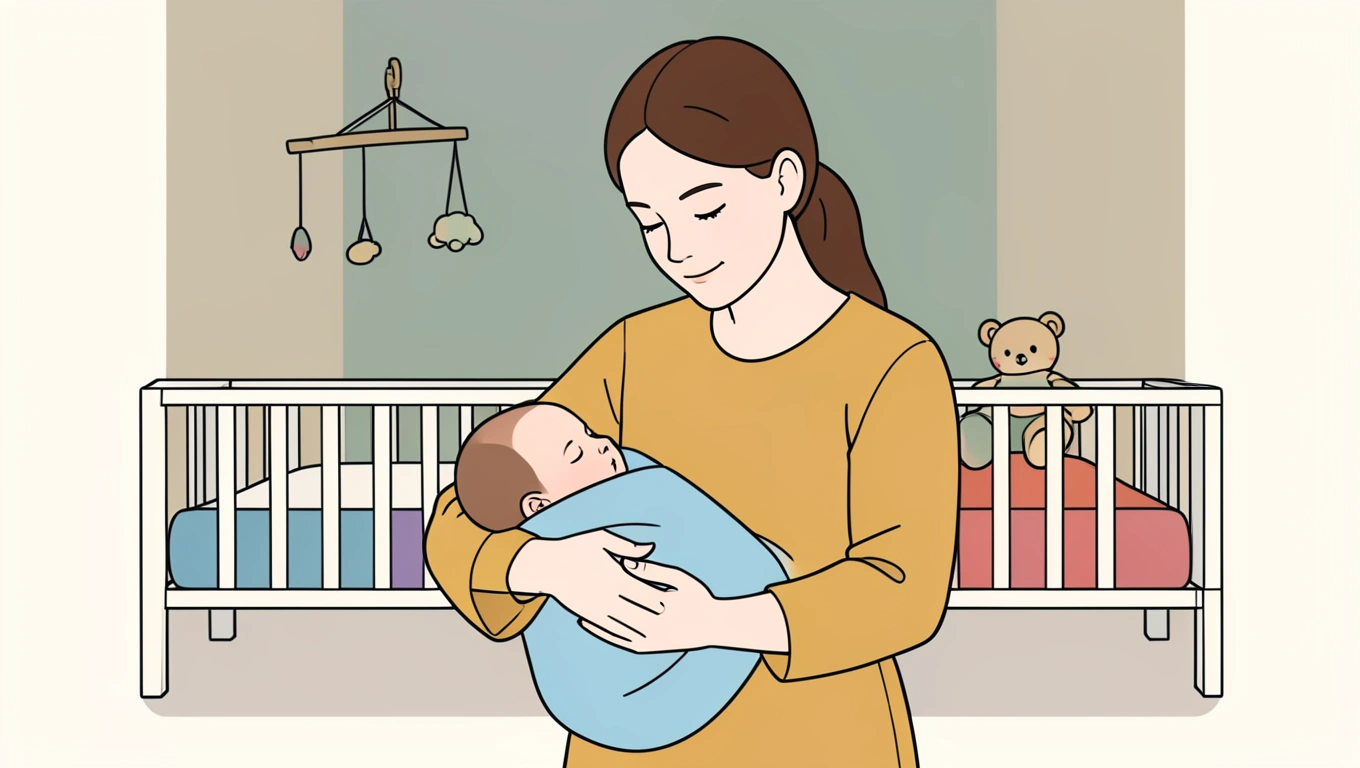
Swaddling is one of those age-old practices that feels intuitive yet can be surprisingly tricky to get right. For new parents, those first weeks with a newborn can feel overwhelming, and learning to swaddle properly offers a tangible way to soothe your baby and help them sleep more soundly. When done correctly, swaddling mimics the snug environment of the womb, which can calm a fussy infant and reduce those sudden jerky movements that startle them awake. But there are important safety considerations to keep in mind, from avoiding overheating to knowing when to stop. Understanding the basics of swaddling will give you confidence and help you make the best choices for your baby's comfort and safety.
Why Swaddling Works for Newborns
Newborns come into the world after nine months in a warm, tight space where movement was limited and sounds were muffled. The sudden freedom of the outside world can be jarring. Swaddling recreates that sense of security by gently containing your baby's arms and legs, which helps them feel calm and protected. This isn't just folk wisdom - the practice has real physiological benefits that can make those early weeks easier for everyone.
One of the most noticeable effects is how swaddling helps manage the startle reflex, also called the Moro reflex. You have probably seen it happen: your peacefully sleeping baby suddenly throws their arms out wide and wakes themselves up with a cry. This involuntary reflex is completely normal, but it can disrupt sleep for both baby and parents. By keeping your baby's arms securely wrapped, swaddling prevents these sudden movements from jarring them awake, which often translates to longer stretches of sleep.

The calming effect goes beyond just sleep. Many parents find that a properly swaddled baby settles more quickly during fussy periods, especially in the evening when crying tends to peak. The gentle pressure around the body seems to have a soothing effect, similar to how you might feel more relaxed under a weighted blanket. According to HealthyChildren.org, swaddling can be an effective way to help babies feel secure and calm during those early months.
💡 Pro Tip: If your baby fights the swaddle with arms in, try swaddling with one or both arms out. Some babies prefer having their hands near their face, and a modified swaddle that secures just the torso and legs can still provide comfort while respecting their preference.
The Right Way to Swaddle Safely
Technique matters when it comes to swaddling. A loose swaddle can come undone and create a suffocation hazard, while one that is too tight in the wrong places can cause problems with hip development. The goal is to create a snug wrap around the upper body and arms while leaving enough room at the hips and legs for natural movement.
Start with a large, thin blanket spread out in a diamond shape. Fold down the top corner about six inches, then lay your baby on their back with their shoulders just below the fold. Take one side of the blanket and pull it across your baby's chest, tucking it behind the opposite side of their body. The arm on that side should be straight down along their body, not bent up. Then fold the bottom corner up over the feet, making sure there is room for the legs to bend at the hips and the knees to spread apart slightly. Finally, bring the remaining side across and tuck it in.
Hip health is critical here. Your baby's legs should never be wrapped straight or pressed together. The International Hip Dysplasia Institute warns that forcing the legs into an extended position can increase the risk of hip dysplasia, a condition where the hip joint does not develop properly. The swaddle should always allow the legs to bend up and out at the hips in their natural frog-like position. If you are using a commercial swaddle product, make sure it is specifically designed with a roomy bottom that allows for hip flexibility.
Temperature regulation is another safety priority. Babies cannot regulate their body temperature as well as adults, and swaddling adds an extra layer. Dress your baby appropriately for the room temperature - if the room is warm, a diaper and a light onesie under the swaddle might be enough. If it is cooler, you might add a sleeper. Feel the back of your baby's neck to check for overheating; it should feel warm but not sweaty or hot.
💡 Pro Tip: Practice your swaddling technique during the day when your baby is calm and you are not exhausted from a 3 a.m. wake-up. You will build confidence with the folds and tucks, and your baby will get used to the sensation when everyone is less stressed.
Knowing When to Stop Swaddling
Swaddling is not a forever practice. There comes a point when continuing to swaddle becomes unsafe, and recognizing that point is just as important as learning to swaddle in the first place. The critical milestone is when your baby starts showing signs of rolling over, which typically happens somewhere between two and four months of age. Some babies roll earlier, some later, so you need to watch your individual child rather than rely solely on age.
Why does rolling matter? A swaddled baby who rolls onto their stomach cannot use their arms to push up or turn their head to the side, which significantly increases the risk of suffocation. Even if your baby has only rolled once or twice, that is your signal to stop swaddling immediately. Some parents try to extend swaddling by using products that allow the arms to be free while keeping the torso snug, which can be a transitional option if your baby is not yet rolling but is starting to resist having their arms contained.
The transition away from swaddling can be rough. Your baby has gotten used to that secure feeling, and suddenly they are sleeping with full arm mobility again. Expect a few nights of more frequent wake-ups as they adjust. You can make the change gradually by swaddling with one arm out for a few nights, then both arms out, before dropping the swaddle entirely. Sleep sacks designed for older babies can provide a sense of security without the confinement of a swaddle.
Some babies never take to swaddling at all, and that is perfectly fine. If your newborn consistently fights the swaddle or seems more distressed when wrapped, trust your instincts and skip it. There are other ways to help your baby sleep well, from white noise to a consistent bedtime routine. Swaddling is a tool, not a requirement, and what works for one baby might not work for another.
Common Swaddling Mistakes to Avoid
Even parents who understand the basics can fall into a few common traps. One frequent mistake is swaddling too loosely, thinking that a looser wrap will be more comfortable. In reality, a loose swaddle can unravel during sleep and create a loose blanket in the crib, which is a suffocation risk. The swaddle should be snug enough that it does not come undone when your baby wiggles, but not so tight that it restricts breathing or circulation.
Another mistake is placing a swaddled baby on their side or stomach. A swaddled baby should always, always be placed on their back to sleep. Side or stomach sleeping dramatically increases the risk of sudden infant death syndrome (SIDS), and swaddling removes the baby's ability to reposition themselves if they get into trouble. Back sleeping is non-negotiable, and Nationwide Children's Hospital reinforces this as a key safety measure during the swaddling period.
Many parents also continue swaddling for too long because it works so well for sleep. It is tempting to keep using a strategy that gets your baby to sleep, but the safety risks of swaddling a baby who can roll outweigh the sleep benefits. Mark your calendar when your baby hits two months and start watching closely for any signs of rolling, even during playtime. The first roll can happen suddenly, and you want to be ready to make the change before it becomes a hazard.
Using the wrong materials can also be problematic. Heavy blankets, fleece, or thick fabrics trap too much heat and increase the risk of overheating. Stick with lightweight, breathable cotton or muslin blankets designed for swaddling. If you prefer a commercial swaddle product, look for ones made from thin, stretchy fabric that wicks moisture and allows air circulation. You can find detailed guidance on safe swaddling materials and techniques at Healthline.
Conclusion
Swaddling can be a genuine lifesaver in those early weeks when sleep is scarce and your baby seems to startle awake every time you finally drift off. The practice offers real benefits, from calming the startle reflex to recreating the womb's comforting snugness. But like any parenting technique, it comes with responsibilities. Keeping the hips loose, monitoring for overheating, and knowing when to stop are all part of swaddling safely. You do not need to be perfect at it - even a slightly imperfect swaddle can soothe a fussy baby. What matters most is that you stay informed, pay attention to your individual baby's cues, and adjust as they grow. Every baby is different, and swaddling is just one option in your toolkit. If it works for your family, use it confidently. If it does not, let it go without guilt. The goal is always the same: a safe, comfortable baby and parents who can get enough rest to enjoy these fleeting early days.
FAQs
Can I swaddle my baby for naps and nighttime sleep?
Yes, you can swaddle for both naps and nighttime as long as your baby has not started rolling over. Just make sure the sleep environment is safe - back sleeping only, firm mattress, no loose blankets or pillows in the crib. Some parents find that swaddling works better at night and skip it for daytime naps when they can monitor the baby more closely.
What should I do if my baby breaks out of the swaddle constantly?
If your baby is a swaddle escape artist, you might need a tighter wrap or a different technique. Try a swaddle with Velcro or snaps designed to stay secure, or practice the double-swaddle method where you use two blankets for extra hold. Some babies have strong reflexes and need a firmer wrap to feel contained, while others might genuinely prefer having their arms free.
Is it safe to swaddle a baby with a pacifier?
Yes, using a pacifier while swaddled is safe and may even reduce SIDS risk according to some research. The pacifier can fall out during sleep, and that is fine - do not reinsert it if your baby is already asleep. Just make sure the pacifier is age-appropriate and check it regularly for wear or damage.
How do I know if my baby is too hot while swaddled?
Check the back of your baby's neck or their chest under the swaddle. If the skin feels sweaty, hot, or damp, your baby is too warm. Remove a layer of clothing or use a thinner swaddle blanket. Room temperature between 68 and 72 degrees Fahrenheit is generally ideal for a swaddled baby.
Can I swaddle my baby in a car seat or carrier?
No, you should not swaddle a baby in a car seat or carrier. The swaddle can interfere with the safety harness and prevent it from fitting snugly against your baby's body, which compromises the effectiveness of the restraint system. If your baby is cold, use a blanket over the harness after it is properly buckled, or dress them in warmer layers that do not restrict the harness fit.