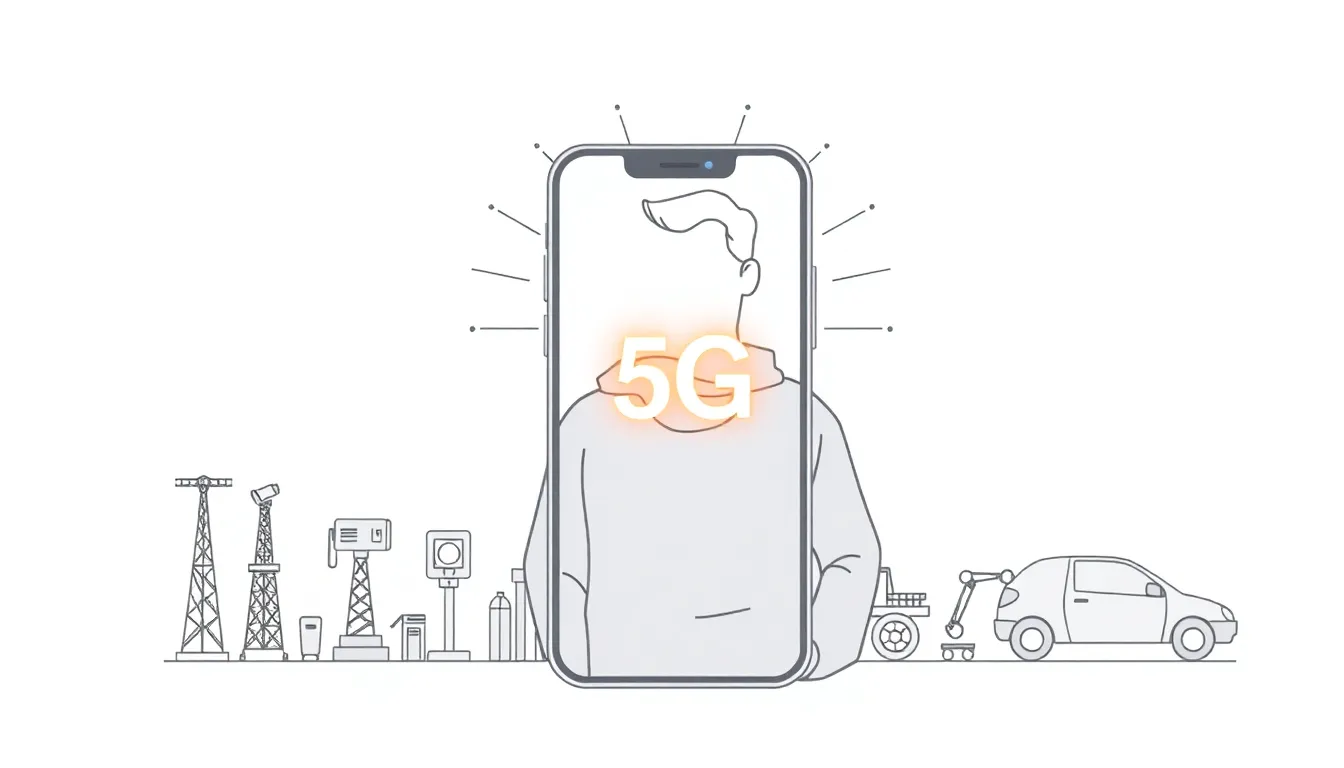
The rollout of 5G technology is transforming how we connect to the internet, communicate, and interact with the digital world around us. As the fifth generation of cellular networks, 5G isn't just an incremental upgrade - it represents a fundamental shift in what wireless connectivity can achieve. From download speeds that make 4G look sluggish to latency so low it enables real-time remote surgeries, 5G is reshaping industries and daily life alike. Whether you're streaming 4K video on your morning commute or wondering why your smart home devices suddenly work better, understanding what 5G brings to the table matters more than ever. This technology isn't coming - it's already here, and it's changing the rules of connectivity in ways both visible and behind the scenes.
The Speed Revolution: Beyond Fast Downloads
When people talk about 5G, speed usually comes up first. The numbers are genuinely impressive - peak download speeds can hit up to 20 gigabits per second. To put that in perspective, you could download an entire high-definition movie in seconds rather than minutes. But focusing only on download speed misses the bigger picture of what this capacity unlocks.
Real-world 5G speeds vary depending on where you are and which flavor of 5G you're connected to (more on that in a moment), but even typical 5G connections deliver speeds many times faster than 4G. This means buffer-free streaming in 4K or even 8K resolution, video calls that don't freeze when someone walks by the router, and cloud gaming that feels as responsive as playing on a local console. The speed boost also matters for things you might not immediately associate with fast internet - like downloading maps for offline navigation in seconds before heading into a tunnel, or pulling down large work files from cloud storage while standing in line for coffee.
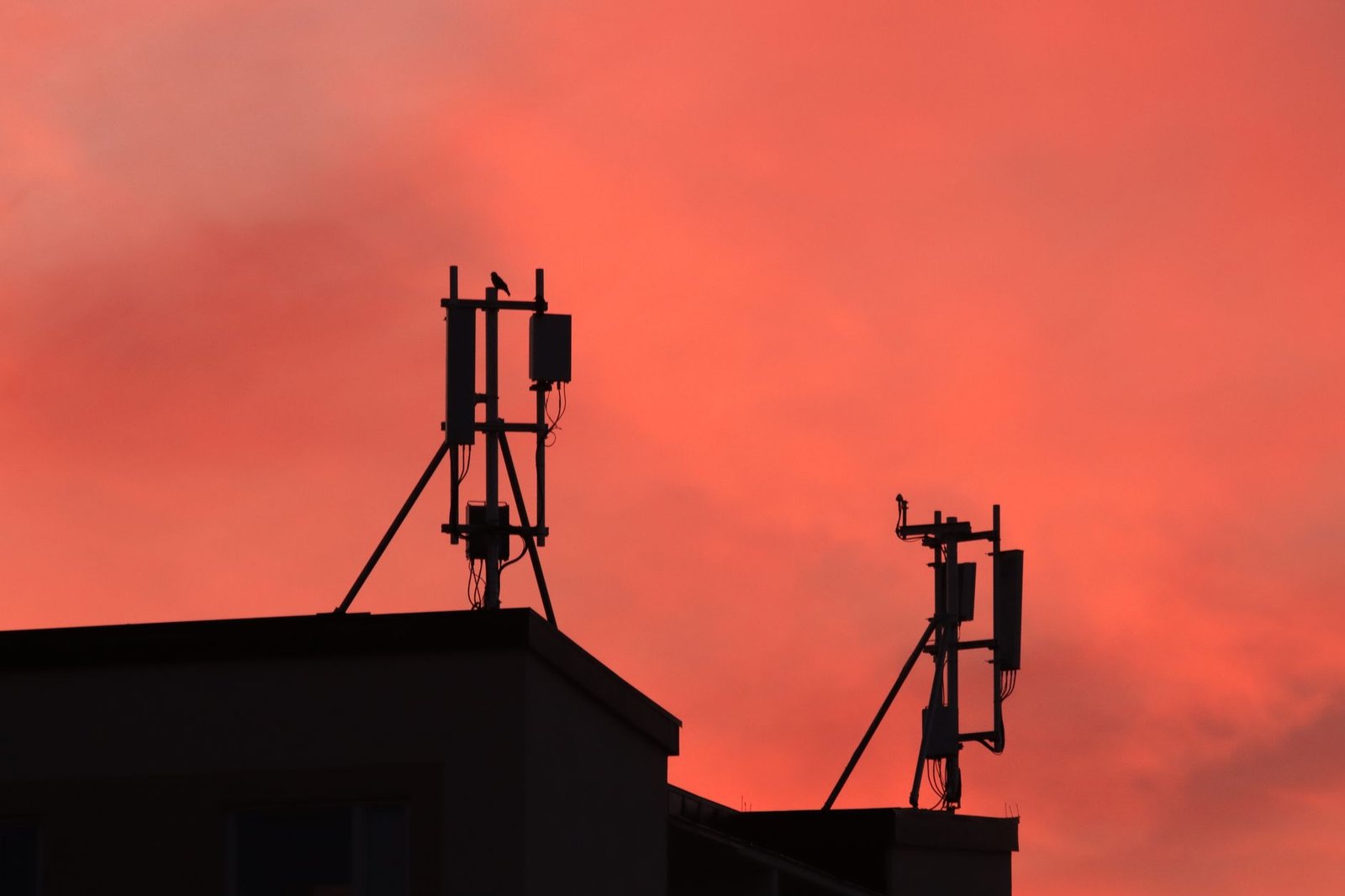
The infrastructure supporting these speeds uses higher frequency radio waves, which carry more data but don't travel as far or penetrate buildings as well as the lower frequencies 4G relied on. That's why carriers are building more 5G cell sites, often smaller ones mounted on streetlights or building sides rather than tall towers. You'll notice the difference most in urban areas where this denser network is already in place.
💡 Pro Tip: If you're shopping for a new phone in 2026, check which 5G bands it supports. Some budget models only connect to slower 5G frequencies, meaning you won't see the full speed benefits even in areas with complete 5G coverage. Look for devices supporting both sub-6GHz and mmWave (millimeter wave) bands to get the best of both worlds - wider coverage and maximum speeds where available.
Ultra-Low Latency: When Milliseconds Matter
Latency is the delay between sending a request and getting a response - think of it as the reaction time of your network connection. 5G dramatically reduces this delay to just a few milliseconds, and in some cases as low as one millisecond. While that sounds like a technical detail, it's actually one of 5G's most transformative features.
For online gaming, low latency means your actions register instantly without the lag that gets you eliminated in competitive matches. For video calls, it eliminates the awkward delays where two people start talking at once, then both stop, then both start again. But the real game-changers happen in applications where split-second timing is critical. Remote surgery, where a doctor operates robotic instruments from hundreds of miles away, becomes feasible when the connection responds as quickly as their hands move. Autonomous vehicles can communicate with each other and with traffic infrastructure in real time, reacting to hazards faster than human reflexes allow.
Even everyday technologies benefit in less obvious ways. Virtual and augmented reality applications need ultra-low latency to prevent motion sickness - when you turn your head in a VR headset, the display needs to update instantly or your brain notices the disconnect. Smart home devices respond to commands more quickly, and cloud-based AI assistants feel more conversational when there's no perceptible delay between your question and their response.
💡 Pro Tip: Experiencing laggy performance even with 5G? Your device might be switching between 5G and 4G as you move, or connecting to congested cell towers during peak hours. Many phones let you lock to 5G-only mode in network settings, though this will drain your battery faster and might leave you without signal in areas where 5G coverage is spotty.
Massive Device Connectivity: The Internet of Everything
5G networks can support a vastly higher number of connected devices per square kilometer compared to 4G - we're talking about handling up to a million devices in a single square kilometer. This capacity expansion enables what's often called the Internet of Things (IoT) to actually scale beyond niche applications into everyday reality.
Your home might already have a dozen or more connected devices - phones, tablets, laptops, smart speakers, security cameras, thermostats, light bulbs, door locks, kitchen appliances. Multiply that across an entire apartment building or city block, and 4G networks start to struggle with the sheer volume of simultaneous connections. 5G is designed from the ground up to handle this density without everyone's connection slowing to a crawl.
This capacity opens doors for smart city infrastructure that was previously impractical. Traffic lights that adjust timing based on real-time congestion data from thousands of sensors. Parking meters that guide you to open spots. Environmental monitors tracking air quality block by block. Industrial facilities can deploy thousands of sensors monitoring equipment health, predicting failures before they happen and scheduling maintenance during planned downtime rather than after expensive breakdowns.
For consumers, it means your smart home actually stays smart even when every device is active. Your neighbor's new security camera system won't bog down the local cell tower enough to buffer your streaming video. And as more devices go wireless - we're already seeing wireless earbuds, keyboards, and even wireless charging become standard - the network can handle the increased load without everyone fighting for bandwidth.
The Coverage Question: Where 5G Actually Works
Here's where the 5G conversation gets complicated. Not all 5G is created equal, and coverage maps can be misleading. Carriers deploy 5G across different frequency bands, each with different characteristics. Low-band 5G covers wide areas and penetrates buildings well, but delivers speeds only marginally better than good 4G. Mid-band 5G offers a solid balance of coverage and speed. High-band 5G (millimeter wave) delivers those jaw-dropping gigabit speeds but only works over short distances and struggles with walls, windows, even heavy rain.
As of 2026, most 5G coverage in suburban and rural areas relies on low and mid-band frequencies. You'll see the "5G" icon on your phone, but the real-world experience might feel more like 4G-plus than a revolutionary leap. The ultra-fast millimeter wave 5G remains concentrated in dense urban cores, stadiums, airports, and similar high-traffic venues where carriers can justify installing many small cell sites close together.
This disparity matters when evaluating whether to upgrade your phone or plan for 5G. If you live in a major city and frequently find yourself in downtown areas, you'll likely experience genuine next-generation performance. If you're in a smaller town or spend most of your time indoors at home, your 5G experience might be more modest - still an improvement, but not the dramatic transformation the marketing suggests. Coverage continues expanding, with carriers prioritizing areas based on population density and business case rather than geographic equity.
Conclusion
5G represents more than faster phones - it's foundational infrastructure for technologies we're only beginning to explore. The combination of speed, low latency, and massive connectivity creates possibilities that weren't feasible before. Remote healthcare expands access beyond major medical centers. Smart infrastructure makes cities more efficient and responsive. Industrial automation becomes more flexible and powerful. Even entertainment evolves, with cloud gaming, immersive VR, and interactive experiences that demand instant responsiveness.
That said, the 5G rollout is uneven and will take years to reach its full potential. The transformative applications we're most excited about require not just 5G connectivity but also changes in regulation, business models, and supporting infrastructure. Your personal 5G experience depends heavily on where you live and how you use wireless connectivity. For many people in 2026, 5G delivers noticeable improvements in daily tasks - faster downloads, better streaming, more reliable connections in crowded areas. The truly revolutionary applications are emerging, but they're not yet universal. What's clear is that 5G isn't just about improving what we already do - it's about enabling what comes next.
FAQs
Does 5G drain your phone battery faster than 4G?
Yes, 5G typically uses more battery than 4G, especially when connected to high-band millimeter wave networks. Your phone works harder scanning for and maintaining 5G connections, and the faster data transmission also consumes more power. Most modern phones mitigate this with intelligent switching that drops to 4G when you don't need peak speeds, but you'll still notice 10-20% faster battery drain with 5G enabled all day. If battery life matters more than speed for your usage, most phones let you disable 5G and stick to 4G in settings.
Can 5G signals penetrate walls and buildings as well as 4G?
It depends on the frequency band. Low-band 5G penetrates buildings similarly to 4G. Mid-band 5G has slightly more trouble getting through walls but usually works fine indoors. High-band millimeter wave 5G struggles significantly with building penetration - even windows can block much of the signal. This is why you might notice your phone showing 5G outdoors but dropping to 4G when you walk inside, particularly in buildings with metal-framed windows or thick concrete walls.
Will 5G replace home broadband and cable internet?
5G home internet services are expanding as an alternative to cable and fiber, particularly in areas where wired broadband options are limited or expensive. Several carriers now offer 5G home routers that can deliver speeds competitive with cable internet. Whether this works for you depends on local 5G signal strength and whether carriers have enough capacity to support heavy home internet usage in your area. Data caps are less common than they used to be, but some 5G home plans still limit monthly usage to around 300-500GB, which might not suffice for households that stream extensively or work from home.
Is 5G available on airplanes or cruise ships?
As of 2026, some airlines have begun testing 5G connectivity for in-flight internet, though most still rely on satellite connections. The technology exists to provide 5G on planes through special cell sites aimed at flight corridors, but regulatory approval and implementation are happening gradually. Cruise ships face similar challenges - 5G works near coastlines where ships can connect to land-based towers, but ships in international waters still depend on satellite internet, which remains slower and more expensive than terrestrial 5G.
Do I need to upgrade my plan to access 5G networks?
This varies by carrier. Many wireless providers automatically include 5G access in existing unlimited plans at no extra charge, though some tier their plans with faster 5G speeds reserved for premium tiers. Some carriers still require plan upgrades to enable 5G, particularly for older unlimited plans grandfathered from before 5G launched. Check with your specific carrier - you definitely need a 5G-capable phone, but the plan requirement depends on when you signed up and which carrier you use.