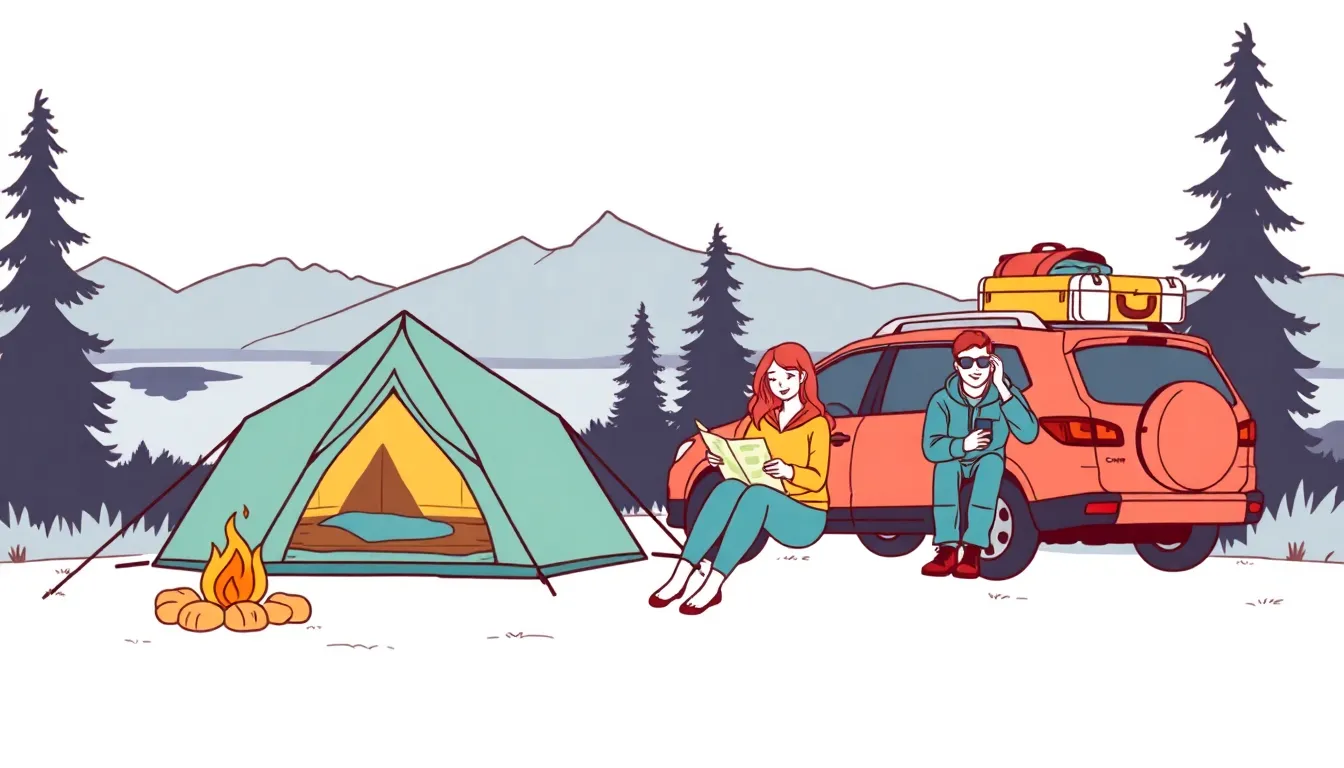
Planning a weekend escape doesn't mean you need to drain your savings account. Whether you're craving mountain air, coastal views, or a quiet countryside retreat, budget-friendly getaways are completely within reach if you know where to look and how to plan. The secret isn't about settling for less - it's about being strategic with your choices. From timing your departure to choosing accommodations that give you more bang for your buck, a memorable weekend away can cost far less than you think. Let's break down how to make it happen without the financial stress.
Road Trips: Your Most Flexible Budget Option
Road trips eliminate one of the biggest travel expenses right off the bat: airfare. When you drive, you control the budget. Fill up the tank, pack some snacks, and suddenly you've got complete freedom to explore destinations within a few hours of home. The beauty of a road trip is the flexibility it offers - you can leave Friday after work, take scenic detours without penalty, and return Sunday evening without worrying about catching a flight.
Consider destinations within a three to five-hour radius. That sweet spot gives you enough distance to feel like you've truly gotten away while keeping fuel costs reasonable. State parks, lakeside towns, and small historic cities often sit in these zones, offering charm without the premium price tag of major tourist hubs. Your vehicle becomes both transportation and a way to carry supplies that save money - coolers for drinks, camping gear, or even a portable grill for outdoor meals.

The math works in your favor too. If you're traveling with a partner or group, splitting gas costs makes driving even more economical. A full tank might run you $60-80 depending on your vehicle, but split between four people, that's $15-20 per person each way. Compare that to budget airline tickets that start around $150-200 per person for short flights, and the savings become obvious.
💡 Pro Tip: Download offline maps before you leave. Cell service can get spotty in rural areas, and relying on GPS without offline capability means you might burn gas driving in circles. Google Maps lets you download entire regions - just search your destination, tap the name at the bottom, and select "Download."
Rethink Where You Sleep
Hotels aren't your only option, and honestly, they're rarely the most budget-friendly choice for weekend trips. Hostels have evolved way beyond the backpacker stereotype - many now offer private rooms with shared common spaces, giving you a clean, comfortable bed for $40-70 per night instead of $120-200 at a standard hotel. Budget hotel chains can work too, especially if you book midweek for weekend stays when rates drop.
Camping takes the savings even further. Public campgrounds typically charge $15-35 per night for a site with basic amenities. You get outdoor space, often near hiking trails or water, and the experience itself becomes part of the adventure. If you don't own camping gear, borrowing from friends or renting locally costs less than a single night at most hotels. State and national forests offer dispersed camping options that are sometimes free, though you'll need to check regulations and come prepared.
Vacation rentals can surprise you with value if you're traveling with others. A two-bedroom rental that costs $150 per night split between four people runs just $37.50 each - cheaper than most hotel rooms and you get a full kitchen to prepare meals. Look for places slightly outside popular downtown areas where rates drop but you're still within a short drive of attractions.
💡 Pro Tip: Message hosts or campground managers directly about last-minute openings. I've saved 20-30% simply by booking Thursday night for a Friday arrival - they'd rather fill the spot at a discount than leave it empty, especially during shoulder season.
Time Your Trip to Dodge the Crowds and Costs
Avoiding peak weekends makes a massive difference in both your wallet and your experience. Holiday weekends (Memorial Day, Fourth of July, Labor Day) drive prices up across the board - hotels raise rates, campgrounds fill up months in advance, and restaurants add wait times that eat into your limited getaway hours. Travel on regular weekends instead, and you'll find better availability and lower prices.
Shoulder seasons offer even better deals. Late spring and early fall deliver pleasant weather in most regions while avoiding summer's peak pricing. A cabin rental that costs $250 per night in July might drop to $140 in September or early May. You get the same scenery, often better hiking conditions without the heat, and far fewer tourists competing for the same photo spots.
Consider extending into the workweek if you have flexibility. Leaving Thursday evening and returning Monday afternoon instead of the classic Friday-to-Sunday pattern can cut accommodation costs by 30-40%. Many hotels and rentals charge premium rates for Friday and Saturday nights but drop prices significantly for Sunday or weekday stays. If remote work is an option, taking Friday and Monday as work-from-elsewhere days while enjoying the weekend in between gives you four days for the price of two peak nights.
Slash Food Costs Without Sacrificing Experience
Restaurant meals add up shockingly fast on weekend trips. Three restaurant meals per day for two people easily hits $150-200, and that's before you factor in nicer dinners or tourist-area markups. Preparing your own meals from local markets or grocery stores cuts that expense dramatically while often giving you a more authentic taste of the region.
Start by packing breakfast supplies from home - coffee, granola, fruit, bread for toast. Breakfast out can cost $15-25 per person at a cafe, but making your own in your accommodation costs maybe $3-4. Hit a local grocery store or farmers market on Saturday morning for lunch supplies and dinner ingredients. You'll find regional specialties, fresh produce, and local cheeses or meats that give you a genuine flavor of the area for a fraction of restaurant prices.
Plan one nice meal out and make it count. Instead of eating every meal at restaurants, choose one dinner or lunch that highlights local cuisine. You'll appreciate it more when it's special rather than routine, and saving $100-120 on the other meals means you can comfortably spend $60-80 on that one memorable dining experience without guilt. Markets often have prepared foods too - fresh bread, local cheeses, smoked fish - that make for incredible picnic spreads in scenic spots.
Find Free and Low-Cost Activities
The best weekend experiences often cost nothing. Hiking trails, public beaches, small-town main streets, scenic overlooks, and local parks offer hours of exploration without admission fees. Many towns host free weekend events - farmers markets, outdoor concerts, art walks - that give you a window into local culture without ticket prices.
State parks typically charge minimal entrance fees ($5-10 per vehicle) but provide full-day access to trails, swimming areas, and picnic spots. Historic sites, botanical gardens, and nature preserves often operate on donation basis or charge modest fees under $15 per person. Museums in smaller cities frequently offer free admission days on first Sundays or weekday evenings.
Skip the tourist traps with inflated prices. That themed attraction charging $45 per person rarely delivers value compared to authentic local experiences. Walking tours (many cities offer free versions where you tip the guide), brewery tours, observation decks on public buildings, and waterfront walkways give you genuine connection to a place without manufactured experiences designed to extract maximum dollars.
Conclusion
Budget weekend getaways aren't about deprivation - they're about smart choices that maximize experience while minimizing waste. When you skip the expensive flight and drive instead, choose accommodations that fit your actual needs rather than hotel marketing, time your trip to avoid peak pricing, and mix self-catered meals with one standout dining experience, you create space for memorable weekends that don't require months of saving. The destinations that won't break the bank are often the ones that feel most authentic anyway. Small towns, state parks, and road-trip discoveries offer something chain hotels and tourist-packed cities can't replicate. Your next weekend away is closer and more affordable than you think - it just requires looking at travel through a different lens, one where adventure matters more than amenities and experiences trump expensive packaging.
FAQs
How far in advance should I book a budget weekend getaway?
For maximum flexibility and deals, book 2-3 weeks out for most destinations. This timing lets you monitor weather forecasts while still accessing decent rates. However, some campgrounds and popular rentals fill months ahead during peak seasons, so for holiday weekends or summer trips, booking 6-8 weeks early prevents disappointment. Last-minute bookings (within a week) can occasionally yield bargains when hosts want to fill empty spots, but it's riskier for popular areas.
What's the cheapest day of the week to start a weekend trip?
Leaving Thursday evening or Friday morning typically costs less than Saturday departures because accommodation rates for Thursday nights run 20-40% below Friday rates in most markets. If you can swing it, a Thursday evening departure with a Monday return captures four days while avoiding two premium-priced weekend nights entirely. Traffic is also lighter on Thursday evenings compared to Friday afternoon rush.
Are hostel private rooms actually clean and safe?
Modern hostels, especially those affiliated with Hostelling International or carrying strong review ratings, maintain standards comparable to budget hotels. Private rooms include locked doors, clean linens, and often ensuite or private bathrooms. Read recent reviews focusing on cleanliness and check if the property offers 24-hour desk service or keycard entry. Properties with ratings above 8.5 on major booking platforms generally deliver reliable quality regardless of the hostel label.
How much should I budget for a two-night weekend getaway per person?
A realistic budget-conscious weekend runs $150-250 per person including everything - gas or transportation ($30-60), lodging ($80-120 for two nights split if sharing), food ($40-70 mixing self-prepared and one meal out), and activities ($20-40). Solo travelers need higher budgets since you can't split costs, typically $280-400 total. These figures assume driving distance destinations and modest accommodations, not luxury or fly-to locations.
What items should I pack to save money on a budget getaway?
Bring a cooler with ice packs for perishables, reusable water bottles to avoid buying drinks, basic pantry items like olive oil and spices if you're cooking, coffee and a portable French press or pour-over setup, snacks for the drive and between meals, and a headlamp or flashlight for camping or poorly-lit rental spaces. Packing your own beach towels, hiking supplies, and first-aid basics prevents expensive last-minute purchases at tourist-area shops that charge premium prices.