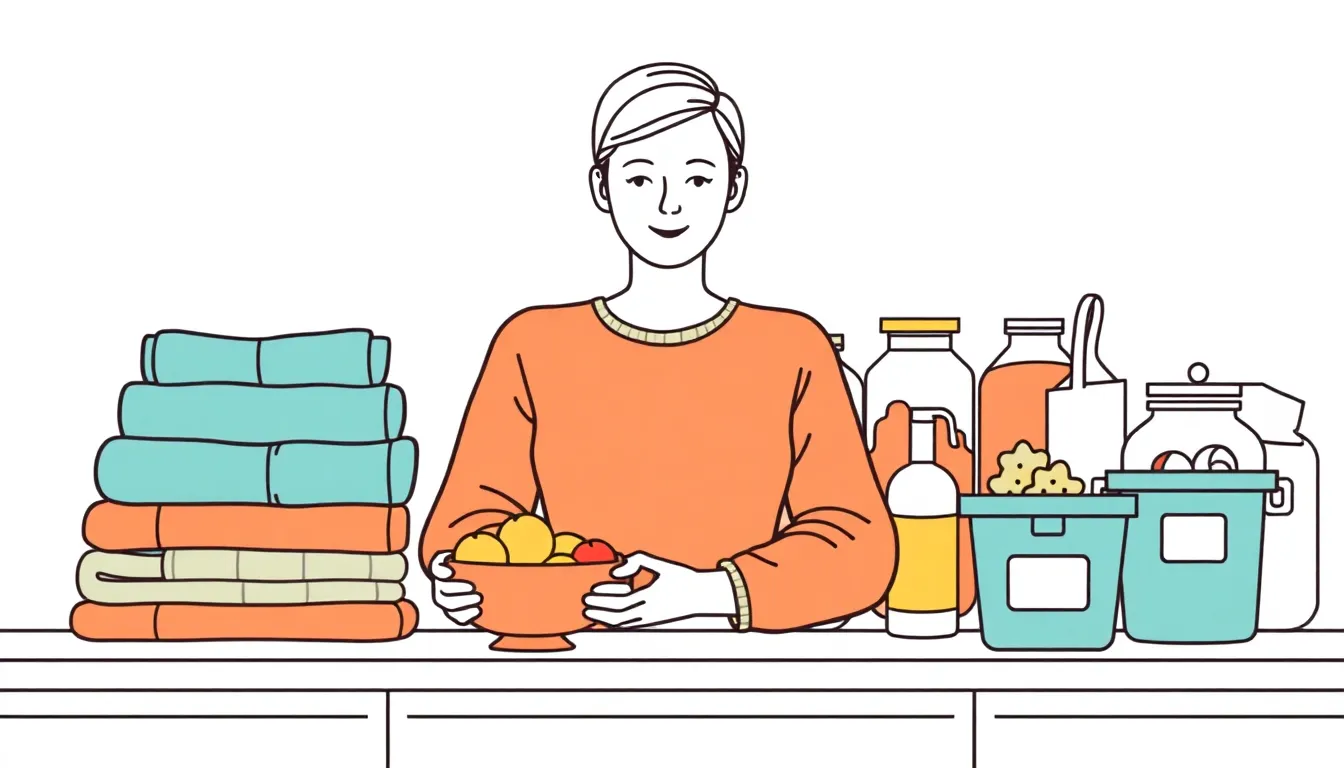
Making your kitchen zero-waste doesn't mean you need a complete overhaul or a huge budget. Small, practical swaps can dramatically cut the amount of trash you produce each day, and most of them actually save you money over time. From replacing single-use paper towels to ditching plastic wrap, these changes are straightforward and surprisingly effective. The best part? You can start today with items you likely already own or can pick up easily. Let's walk through the swaps that make the biggest difference without demanding perfection or a lifestyle upheaval.
Ditch Paper Towels for Reusable Cloth Alternatives
Paper towels are convenient, but they add up fast. The average household goes through several rolls every month, and all that paper ends up in the landfill. Switching to reusable cloth towels or unpaper towels can eliminate hundreds of trashed paper towels each year. You don't need anything fancy - old t-shirts cut into squares work just as well as purpose-made kitchen towels.
If you want something more absorbent, Swedish dishcloths are a popular choice. One Swedish dishcloth has the capacity to replace 15 to 20 rolls of paper towels over its lifespan. They're machine washable, dry quickly, and handle everything from wiping counters to soaking up spills. Keep a stack near the sink, toss them in the laundry when they're dirty, and you'll rarely think about buying paper towels again.
The savings are real too. A typical roll of paper towels costs around two dollars, and if your household goes through two rolls a week, that's over $200 a year. A set of cloth towels might cost $30 upfront and last for years. The math speaks for itself.
💡 Pro Tip: Keep one basket for clean kitchen towels and another for used ones near your laundry area. This system makes it easy to grab a fresh towel without hunting through drawers, and you'll always know when it's time to run a load.
Replace Plastic Wrap with Beeswax Wraps or Silicone Covers
Plastic wrap is one of those kitchen staples that feels essential until you realize how wasteful it is. Every piece gets used once and thrown away, contributing to the massive amount of plastic that never breaks down. Using beeswax wraps or silicone covers instead of plastic wrap helps reduce landfill waste by offering a reusable alternative that actually works better for many tasks.
Beeswax wraps mold to the shape of bowls, wrap around half a lemon, or cover a sandwich. The warmth from your hands softens the wax slightly, creating a seal that keeps food fresh. They last about a year with regular use, and when they finally wear out, they're compostable. Silicone stretch lids are another solid option - they fit over various bowl sizes, go in the dishwasher, and can handle the microwave and freezer.
Both options cost more upfront than a roll of plastic wrap, but they pay for themselves within months. A set of three beeswax wraps runs about $18, while a roll of plastic wrap costs around $4 and lasts maybe a month or two. After a year, you've spent $24 on plastic wrap versus a one-time $18 investment that's still going strong.
💡 Pro Tip: Don't wash beeswax wraps in hot water - it melts the wax coating. Rinse them in cool water with a drop of dish soap, air dry, and they'll stay in good shape much longer.
Start Composting Food Scraps at Home
Food waste is a bigger problem than most people realize. When organic material sits in a landfill without oxygen, it produces methane, a greenhouse gas that's significantly more potent than carbon dioxide. Composting food scraps at home diverts organic waste from landfills and helps reduce methane emissions while creating nutrient-rich soil for plants.
You don't need a big backyard or a complicated setup to compost. Countertop compost bins with charcoal filters contain odors and make it easy to collect scraps throughout the day. If you have outdoor space, a simple compost tumbler or pile works well for turning vegetable peels, coffee grounds, and eggshells into compost within a few months. Even apartment dwellers can compost using worm bins or by freezing scraps and dropping them off at a local composting facility.
What can you compost? Fruit and vegetable scraps, coffee grounds and filters, tea bags, eggshells, and even paper napkins. Avoid meat, dairy, and oily foods unless you have a specialized system. Once you start paying attention, you'll notice how much of your trash bin is actually compostable material.
Switch to Solid Dish Soap Bars and Refillable Containers
Liquid dish soap comes in plastic bottles that you throw away every few weeks. Even if you recycle them, most plastic doesn't actually get recycled - it ends up in landfills or incinerators. Switching to solid dish soap bars instead of liquid dish soap in plastic bottles significantly cuts down on plastic packaging waste, and the bars often last longer than you'd expect.
A dish soap bar sits next to your sink and works just like liquid soap. Rub a wet sponge or dishcloth across the bar to create suds, then wash your dishes as usual. One bar typically lasts two to three months, depending on how often you wash dishes. They come wrapped in paper or cardboard, so there's no plastic to deal with at all.
If you prefer liquid soap, many stores now offer refill stations where you can bring your own container and fill it with dish soap, hand soap, or cleaning products. This keeps one bottle in rotation instead of constantly buying and discarding new ones. A glass or stainless steel dispenser looks nicer on your counter too.
Other Quick Swaps Worth Making
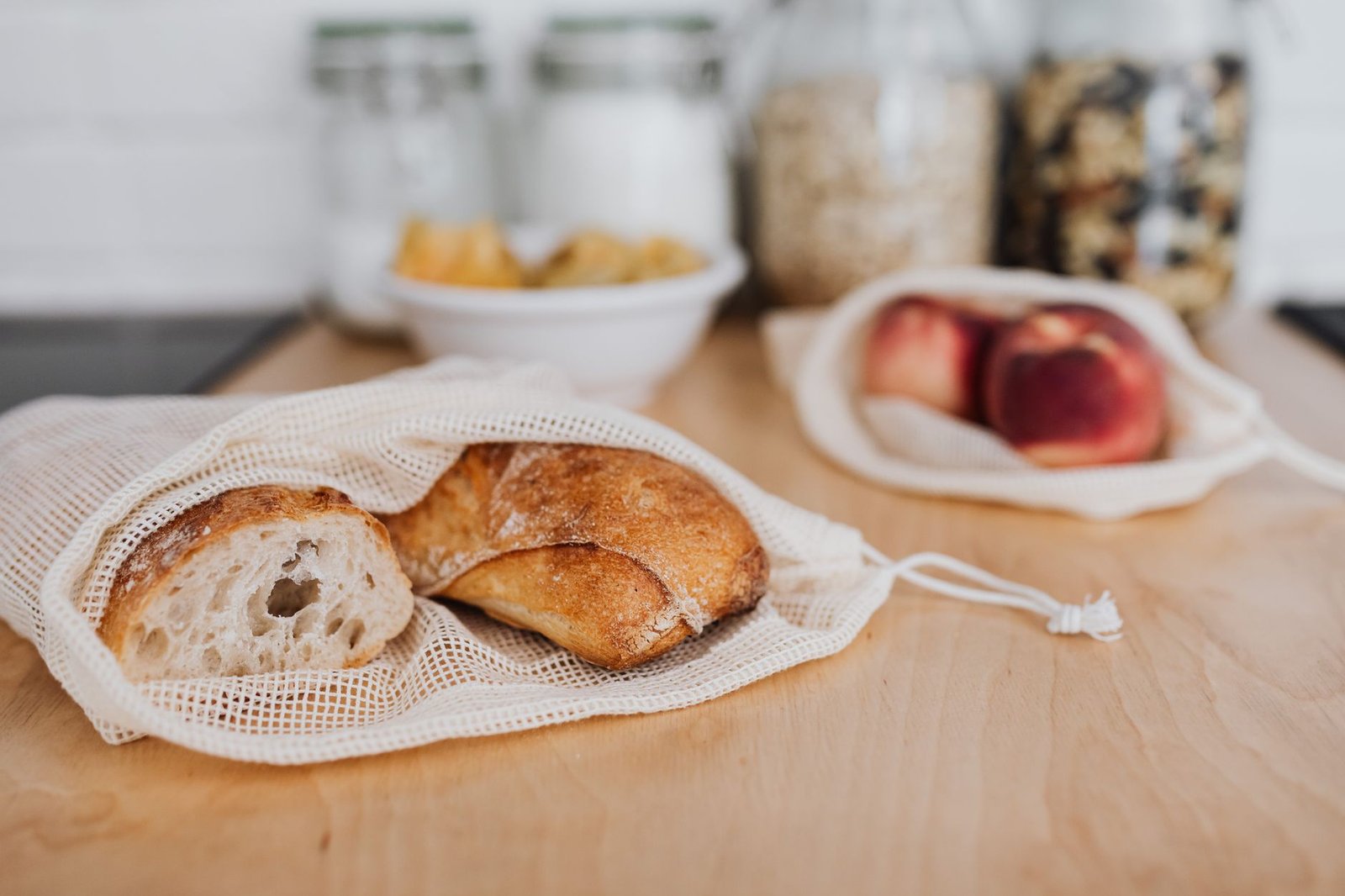
Beyond the big changes, smaller swaps add up. Replace plastic produce bags with reusable mesh or cloth bags when you shop. Buy loose produce instead of pre-packaged items wrapped in plastic. Use glass or stainless steel food storage containers instead of disposable plastic bags. Store bulk items like rice, pasta, and flour in glass jars rather than leaving them in plastic packaging.
Swap out plastic sponges for natural alternatives made from coconut fiber, cellulose, or loofah. These break down at the end of their life instead of sitting in a landfill for decades. Use bar soap instead of liquid hand soap in plastic pump bottles. Keep cloth napkins on hand instead of paper ones for everyday meals.
You don't have to do everything at once. Pick one or two swaps that feel manageable, get comfortable with them, then add more over time. The goal isn't perfection - it's progress. Every single-use item you replace with a reusable option is one less thing heading to the landfill.
Conclusion
Zero-waste swaps don't require a complete lifestyle overhaul or a hefty investment. Start with the changes that fit naturally into your routine and build from there. Many households find that reducing kitchen waste actually simplifies daily tasks while cutting grocery and household supply costs. The reusable alternatives we've covered - cloth towels, beeswax wraps, compost systems, and solid soap bars - prove that sustainable choices can be both practical and economical. You'll likely notice a smaller trash bag and a fuller wallet within the first month. The environmental impact matters, but so does the fact that these swaps just work better once you get used to them.
FAQs
How long do beeswax wraps typically last before needing replacement?
Most beeswax wraps last between six months and a year with regular use. The lifespan depends on how often you use them and how you care for them. Washing in cool water instead of hot water preserves the wax coating longer. When they start losing their stickiness and the wax wears thin, you can refresh them by melting a small amount of beeswax between the fabric layers in the oven, or simply compost them and start fresh.
What's the best way to get started with composting if I live in an apartment?
Apartment composting works well with a countertop worm bin or a bokashi system that ferments food scraps in an airtight container. Both fit under a kitchen sink and don't produce odors when maintained properly. Alternatively, freeze your food scraps in a container and drop them off weekly at a farmers market or community composting site. Many cities now offer curbside compost pickup for residents, making it as easy as taking out the trash.
Are Swedish dishcloths actually more sanitary than regular sponges?
Swedish dishcloths dry quickly between uses, which helps prevent bacterial growth that thrives in damp environments. You can sanitize them by running them through the dishwasher or microwave (when damp) for one minute. Regular kitchen sponges harbor more bacteria because they stay wet longer and their porous structure creates ideal breeding grounds. That said, any cleaning tool needs regular sanitizing - Swedish dishcloths just make it easier.
Can solid dish soap bars really clean greasy pans effectively?
Yes, solid dish soap bars cut through grease just as well as liquid versions because they contain the same cleaning agents. The key is creating enough suds by rubbing your sponge or brush across the bar several times. For really stubborn, baked-on grease, let the pan soak in hot soapy water first, just like you would with liquid soap. The bar format actually lets you control how much soap you use, which often means less waste than squirting too much liquid soap.
What should I do with all my plastic food storage containers if I'm switching to glass?
Keep using your existing plastic containers until they wear out rather than throwing them away immediately - that would defeat the purpose of reducing waste. Use them for non-food storage like organizing craft supplies, hardware, or bathroom items. When they do crack or break, check if your local recycling program accepts that type of plastic. As they reach the end of their life, replace them one by one with glass or stainless steel alternatives rather than buying an entire new set at once.