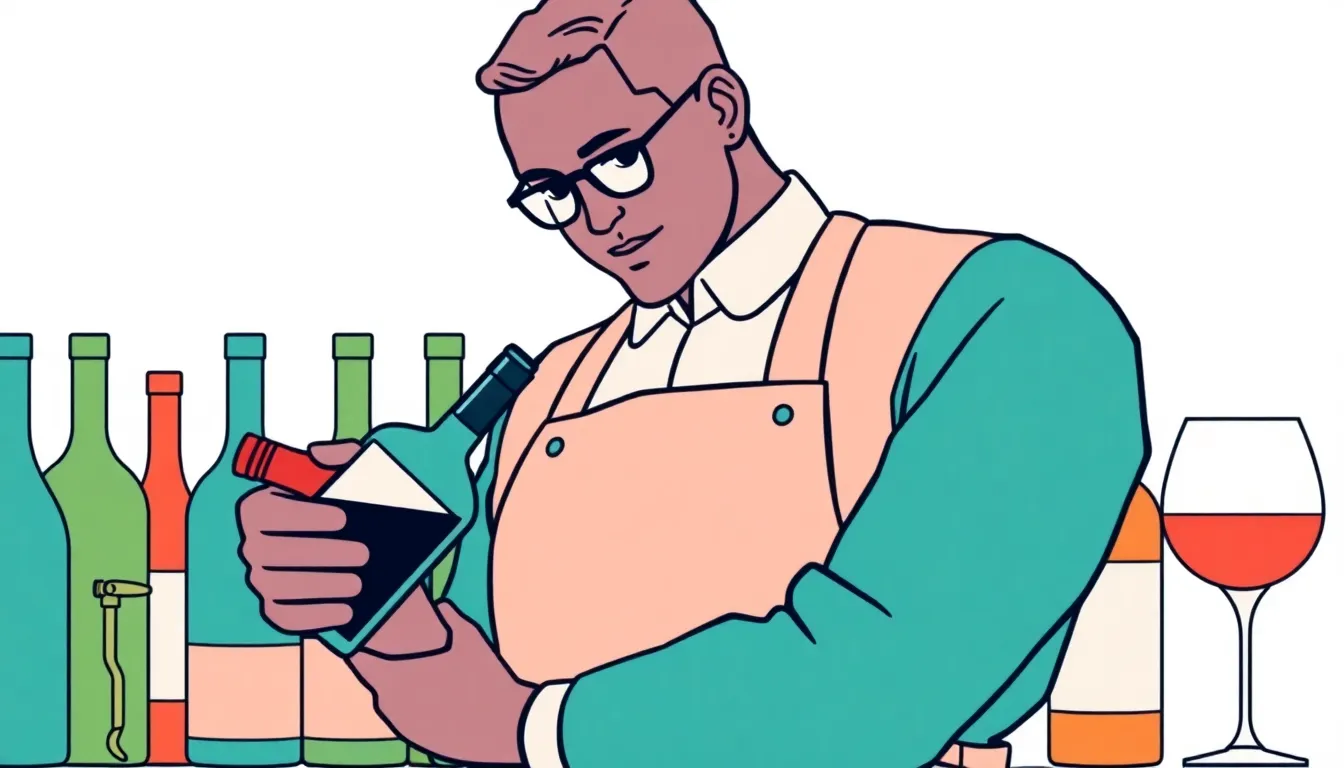
Standing in the wine aisle, staring at rows of bottles with labels that might as well be written in code - we've all been there. Some labels shout the grape variety at you, others whisper the name of a château you've never heard of, and all of them seem to assume you already know what you're looking for. But here's the thing: wine labels aren't trying to confuse you. They're actually packed with useful information once you know what to look for. Whether you're shopping for dinner or trying to impress at a wine bar, understanding how to decode these labels transforms you from a hesitant buyer into a confident chooser. Let's break down exactly what sommeliers look for when they read a wine label.
Old World vs. New World: Two Different Languages
The first thing to understand is that wine labels speak different dialects depending on where the wine comes from. Old World wines - think France, Italy, Spain, Germany - often prioritize the region over everything else. You'll see "Chablis" or "Chianti" in big letters, but you might have to squint to find that it's made from Chardonnay or Sangiovese grapes. These regions have centuries of winemaking tradition, and the assumption is that you already know what grows there.
New World wines from the United States, Australia, Chile, or South Africa take the opposite approach. They put the grape variety front and center. A California bottle will proudly declare "Cabernet Sauvignon" or "Pinot Noir" right on the label. This makes shopping easier if you already know you like a particular grape, but it tells you less about the specific character of that wine. A Cabernet from Napa Valley tastes completely different from one grown in Washington State, even though they're the same grape.
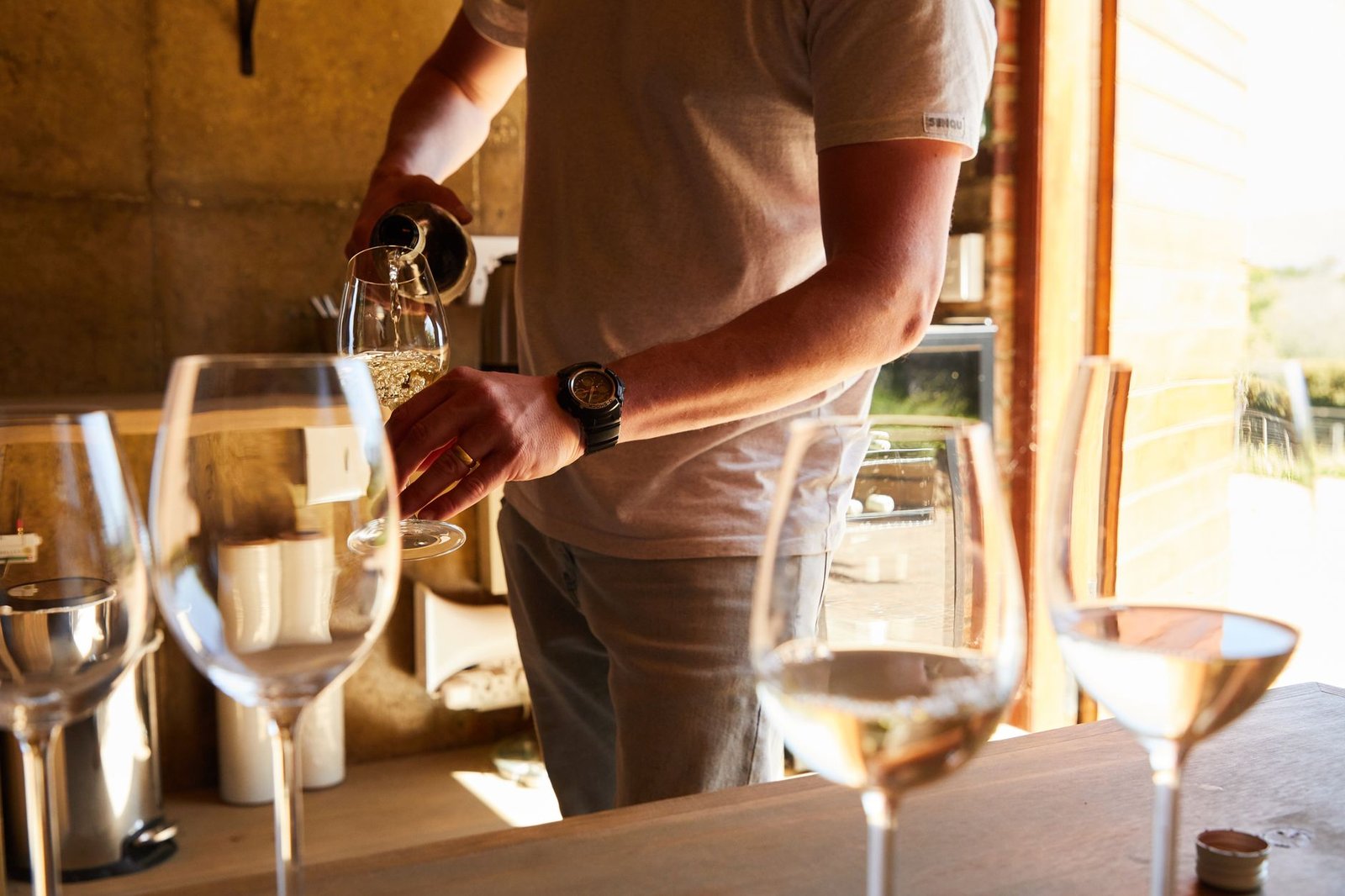
Why does this matter? Because it changes how you evaluate quality and price. An Old World label showing a specific, small region - like "Pauillac" instead of just "Bordeaux" - signals that the wine adheres to stricter production standards and comes from a more distinctive terroir. The more specific the location, the more personality the wine typically has.
💡 Pro Tip: When you find an Old World wine you love, write down the specific region, not just the country. Next time you shop, look for that same appellation name on different producers' bottles - you'll discover wines with similar flavor profiles at various price points, giving you more options than sticking to a single brand.
Vintage: The Year That Tells a Story
That four-digit number on the label isn't when the wine was bottled or sold - it's the harvest year, when the grapes were actually picked. And that matters more than you might think. Weather conditions during the growing season dramatically affect how grapes develop. A hot, dry year produces concentrated, powerful wines with higher alcohol. A cooler, wetter year yields lighter, more acidic wines.
For everyday wines under $20, the vintage doesn't usually make a huge difference. Modern winemaking techniques can compensate for most weather variations. But once you're spending $30 or more, especially on European wines, vintage matters. Some years in Burgundy or Bordeaux are legendary, while others are merely good. A 2015 Barolo and a 2018 Barolo from the same producer can taste surprisingly different and command different prices.
You don't need to memorize vintage charts for every region. But if you're splurging on a special bottle, a quick online search for "2020 Napa vintage" or "2019 Rioja vintage" takes thirty seconds and tells you whether you're buying from a celebrated year or an off one. Not every wine improves with age, either. Most whites and lighter reds are meant to be drunk within a few years of harvest. If you're looking at a 2018 Sauvignon Blanc sitting on the shelf in 2026, it's probably past its prime.
💡 Pro Tip: No vintage year on the label means it's a blend of multiple years, which isn't necessarily bad - Champagne houses do this deliberately for consistency - but it usually signals an entry-level wine designed for immediate drinking rather than cellaring.
Alcohol Content: The Body Language of Wine
That alcohol by volume percentage isn't just a legal requirement - it's actually one of the most useful clues about what the wine will taste like. Higher alcohol wines (around 14-15% ABV) tend to be fuller-bodied, richer, and warmer on the palate. Lower alcohol wines (around 11-12% ABV) are typically lighter, fresher, and more food-friendly.
Think about it logically: grapes develop sugar as they ripen, and yeast converts that sugar into alcohol during fermentation. More sunshine and warmth means riper grapes with more sugar, which means higher alcohol in the finished wine. A 15% Zinfandel from California's Central Valley spent its life soaking up intense heat, developing concentrated fruit flavors and a bold personality. A 12% Riesling from Germany's cool climate retains crisp acidity and delicate aromatics.
This helps you match wine to context. Planning a long dinner party with multiple courses? Those 13.5-14% wines won't overwhelm your palate or leave everyone feeling sluggish. Looking for something to sip on a hot afternoon? Go for that 11.5% Vinho Verde or Muscadet. The ABV essentially tells you how big a statement the wine is making. According to research from wine education experts, learning to read this single number can guide your purchasing decisions more reliably than flowery marketing language about "notes of black cherry" or "hints of vanilla."
Special Designations That Actually Mean Something
Wine labels love throwing around impressive-sounding terms, but some actually have legal definitions worth understanding. "Estate Bottled" means the grapes were grown, the wine was made, and the bottling all happened on the same property. This suggests more control over quality and a stronger connection between the wine and its specific place. It's not automatically better, but it does indicate a certain level of vertical integration and oversight.
"Reserve" is trickier. In some countries like Spain (where "Reserva" has legal aging requirements) or Italy, it means something specific. In the United States and Australia, it means absolutely nothing - any winery can slap "Reserve" on a bottle without meeting any criteria. It's pure marketing. If you see "Grand Reserve" or "Special Reserve" on a New World wine, take it with a grain of salt.
Classification systems matter more on European wines. French wines might say "Grand Cru" or "Premier Cru," which are official quality rankings. German wines use terms like "Kabinett," "Spätlese," or "Auslese" to indicate ripeness levels and sweetness. These aren't arbitrary - they're regulated designations that sommeliers use to gauge quality and style at a glance. You don't need to memorize them all, but recognizing that they exist helps you understand why one bottle costs $25 and another apparently similar one costs $60.
Pay attention to sulfite warnings, too. All wines contain sulfites (they occur naturally during fermentation), and the warning is legally required in many countries. Some producers add extra sulfites as preservatives. If you're sensitive to them, look for wines labeled "low sulfite" or "no added sulfites," though these are harder to find and often more expensive.
Conclusion
Reading a wine label like a sommelier isn't about memorizing obscure French geography or pretending to detect eighteen different flavor notes. It's about using the information right in front of you to make smarter choices. The region tells you about style and tradition. The vintage hints at quality for that specific bottle. The alcohol content reveals body and intensity. Official designations separate marketing hype from actual legal standards. Together, these elements paint a picture of what's inside the bottle before you ever pull the cork.
The real skill comes from practice. Next time you find a wine you love, study its label. Notice the region, the ABV, the vintage. Then look for similar bottles and see how those variables affect the taste and price. Over time, patterns emerge. You'll start gravitating toward certain regions or alcohol ranges without thinking about it. And when you're standing in that wine shop or scanning a restaurant list, you'll know exactly what you're looking at - and whether it's worth ordering.
FAQs
What does "contains sulfites" actually mean on a wine label?
Sulfites are compounds that occur naturally during wine fermentation, and many winemakers add extra sulfur dioxide as a preservative to prevent oxidation and bacterial spoilage. The warning is required by law in the United States and many other countries for wines containing more than 10 parts per million. Only a small percentage of people are truly sensitive to sulfites, usually those with severe asthma. Most red wines contain fewer sulfites than whites because the tannins in red wine act as natural preservatives.
How can I tell if a wine is dry or sweet from the label?
For most table wines, the ABV gives you a clue - if it's below 12%, there's a better chance some residual sugar remains, making it slightly sweet. German wines use specific terms: Kabinett and Spätlese can range from dry to off-dry, while Auslese and higher are usually sweet. French wines labeled "sec" are dry, "demi-sec" is medium-sweet. Italian wines might say "secco" (dry) or "dolce" (sweet). When in doubt, ask the shop staff or look up the producer online - many now include sweetness scales on their websites.
Does an older vintage always mean a better wine?
Not at all. Most wines - especially whites, rosés, and lighter reds - are meant to be consumed within two to four years of vintage. Only certain wines built for aging (structured reds like Bordeaux, Barolo, or Rioja, and some premium whites like white Burgundy) actually improve beyond five years. An eight-year-old Pinot Grigio is likely tired and flat, not refined and complex. Age only adds value when the wine has the tannin, acidity, and concentration to evolve gracefully over time.
What's the difference between "Product of" and "Bottled in" on a label?
This distinction matters for authenticity. "Product of France" or "Produced and bottled in Italy" means the grapes were grown and the wine was made in that country. "Bottled in" followed by a country means the wine might have been made elsewhere and just packaged there - you'll sometimes see this with bulk wines shipped in large containers and bottled locally to save shipping costs. Always look for where the wine was produced, not just where it was bottled, to understand its true origin.
Why do some wine labels show a specific vineyard name?
A vineyard designation, like "Stag's Leap District" or "Chambertin," indicates the grapes came from that single, named plot of land rather than being blended from multiple sources across a broader region. This usually signals higher quality and more distinctive character, since that specific site likely has unique soil, elevation, and microclimate that shape the wine's personality. Single-vineyard wines typically cost more because the production is smaller and the terroir expression is more precise, but they offer a truer sense of place than regional blends.