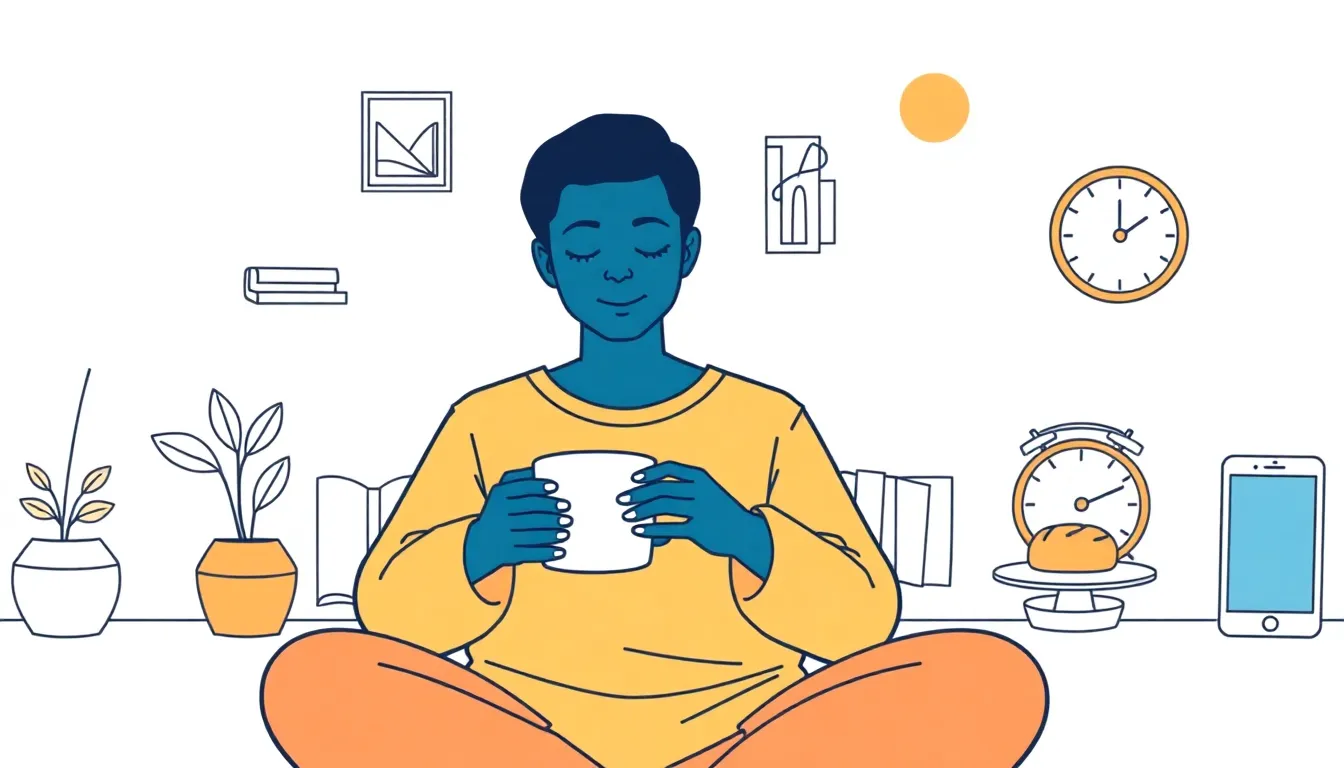
We're all running on autopilot. Between pinging notifications, packed calendars, and the pressure to do more, faster, better, it's no wonder burnout feels like the default setting. But there's a counter-movement gaining ground, one that started in an Italian piazza in the late 1980s and has quietly reshaped how people think about time, meaning, and everyday life. Slow living isn't about dropping out or grinding to a halt. It's about reclaiming intention in a world designed to keep you scrolling, buying, and hurrying. This article walks through what slow living actually means, where it came from, and how you can weave it into your life without quitting your job or moving to a cabin.
Where Slow Living Came From
The roots of slow living trace back to 1986, when journalist Carlo Petrini stood in Rome's Piazza di Spagna and watched a McDonald's open its doors. His response? He launched the Slow Food movement, a protest against the homogenization of taste and the speed at which industrialized food was replacing regional cuisine. The idea was simple: food should be good, clean, and fair. It should take time to grow, prepare, and enjoy. That kernel of resistance grew into something bigger.
By 2004, journalist Carl Honoré's book In Praise of Slowness pushed the concept beyond the dinner table. He argued that our obsession with speed was making us sick, shallow, and disconnected. Slow living became shorthand for a lifestyle that values quality over quantity, presence over productivity, and experiences over acquisitions. It's not a rigid manifesto. It's a mindset shift that asks: what happens when you stop rushing?
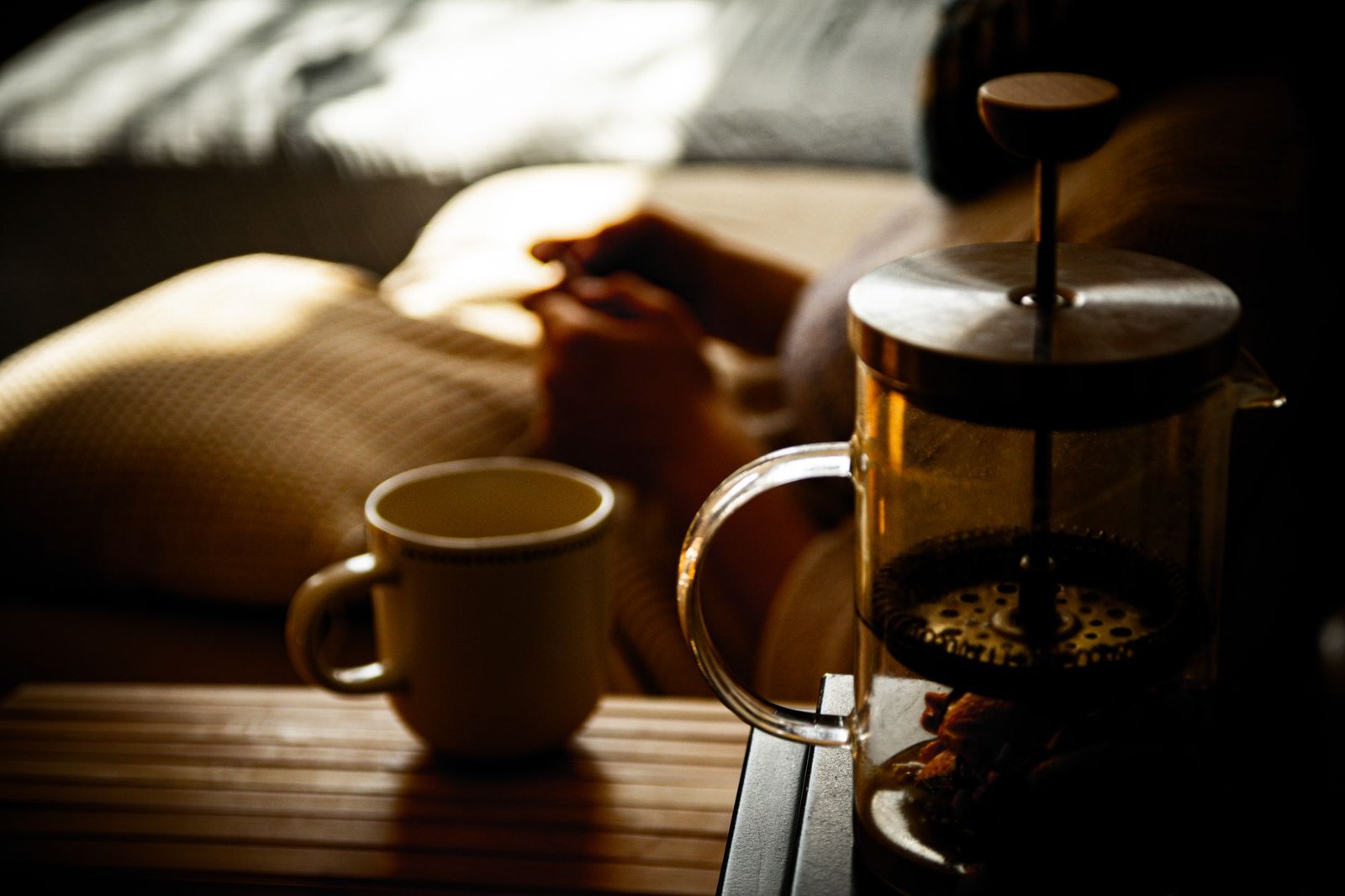
The philosophy isn't about doing everything in slow motion. It's about choosing the pace that fits the task. Some things deserve your full attention and unhurried care. Others don't. The trick is learning to tell the difference and giving yourself permission to move accordingly.
💡 Pro Tip: Start by identifying just one recurring task in your week that you always rush through - maybe it's breakfast, or your evening walk. For the next seven days, give yourself 10 extra minutes to do that one thing without multitasking. Notice how it changes your mood and energy for the rest of the day.
What Slow Living Actually Looks Like
Slow living doesn't mean you stop being productive. It means you stop mistaking busyness for progress. At its core, it's about conscious decision-making. You choose where your time goes instead of letting default habits and other people's urgency dictate your calendar. You buy fewer things, but you buy them with intention. You say no more often. You create space for boredom, rest, and unstructured time.
In practice, this might look like cooking a meal from scratch on a Tuesday night instead of ordering in, not because it's faster but because the act of chopping vegetables and smelling garlic in olive oil grounds you. It might mean turning off notifications for hours at a time and reclaiming your attention span. Or it could be as simple as taking a different route to work, one that's slower but more scenic, because the extra five minutes matter less than how you feel when you arrive.
Slow living also touches how you consume. Instead of buying a new sweater every month, you invest in one well-made piece that lasts years. Instead of bingeing a series in a weekend, you watch one episode and sit with it. The common thread is intentionality. You're making choices that align with what you actually value, not what the algorithm or the sale email tells you to want.
It's worth noting that slow living doesn't require privilege, though it's often framed that way. You don't need a trust fund or a remote job. What you need is the willingness to question the default settings and experiment with doing less, better.
💡 Pro Tip: Before you buy anything non-essential, wait 48 hours. Keep a running list on your phone of things you want. If you still want it two days later and can explain why it adds value to your life, go ahead. You'll be surprised how many impulse purchases never make it past the list.
The Science Behind Slowing Down
There's a growing body of research showing that constant urgency wreaks havoc on your nervous system. When you're always in go-mode, your body stays in a low-grade stress response. Your cortisol levels stay elevated, your sleep suffers, and your ability to focus narrows. Slow living offers a way to reset that system. By building in moments of deliberate slowness, you give your nervous system permission to downshift into rest-and-digest mode.
This isn't just theory. People who practice slow living report lower stress levels, better sleep, and a stronger sense of connection to the people and places around them. Part of this comes from the reduction in decision fatigue. When you simplify your commitments and possessions, you free up mental bandwidth for the things that actually require your attention. You're not constantly juggling a thousand tiny tasks. You're doing fewer things, with more presence.
Another benefit is the reclaiming of attention. We've trained ourselves to expect constant stimulation, but our brains weren't designed for that. They need downtime to process, integrate, and create. Slow living creates that space. It's why some of your best ideas come in the shower or on a walk, not at your desk. Your brain finally has room to breathe.
And then there's the relational piece. When you're not constantly distracted or rushed, you show up differently in conversations. You listen better. You notice more. Relationships deepen not because you're spending more time together, necessarily, but because the time you do spend is more present and engaged.
Making Slow Living Work in 2026
Let's be honest: the world isn't slowing down. AI is accelerating everything from content creation to logistics. Work expectations are higher than ever. Social media is designed to keep you hooked. So how do you practice slow living in a culture that rewards speed and output?
First, you set boundaries. That means turning off work notifications after a certain hour. It means batching your emails instead of responding in real time. It means saying no to commitments that don't align with your priorities, even when the ask is reasonable. Boundaries feel uncomfortable at first, especially if you've built your identity around being responsive and available. But they're non-negotiable if you want to live at a pace that doesn't burn you out.
Second, you build rituals. A morning routine that doesn't involve checking your phone. A weekly meal you cook from scratch. A monthly digital detox weekend. These rituals act as anchors. They're non-negotiable pockets of slowness that remind you what living with intention feels like, even when the rest of your week is chaos.
Third, you get selective about technology. AI tools can save you time, but only if you use them to create space, not to cram more tasks into your day. Automate the busywork so you can spend more time on the work that requires your creativity and judgment. Use apps that block distractions, not ones that fragment your attention further. Technology isn't the enemy - mindless consumption of it is.
Finally, you redefine success. If your definition of a good day is checking off 30 tasks, slow living will feel like failure. But if success means feeling grounded, connected, and present, suddenly the metrics shift. You start measuring your days by the quality of your attention, not the quantity of your output.
Conclusion
Slow living won't solve every problem, and it's not a one-size-fits-all prescription. Some seasons of life demand hustle. Some circumstances don't leave room for long, leisurely mornings. But even in the thick of it, you can choose moments of slowness. You can choose to eat lunch away from your screen. You can choose to leave your phone in another room while you put your kid to bed. You can choose to walk instead of Uber, to brew coffee instead of grabbing it to-go, to read a chapter instead of scrolling for 20 minutes.
The art of slow living isn't about perfection. It's about resistance. It's about refusing to let speed become the only value that matters. And it's about trusting that when you slow down, even just a little, you make room for the things that actually make life worth living: connection, creativity, presence, and meaning. The world will keep spinning faster. Your job is to decide whether you want to spin with it or step off the treadmill long enough to remember what solid ground feels like.
FAQs
Can slow living work if I have a demanding full-time job?
Absolutely. Slow living doesn't require you to quit your job or work part-time. It's about how you spend the margins of your day. That might mean setting hard boundaries around your work hours, taking a real lunch break, or creating a wind-down routine at night that doesn't involve screens. Even small pockets of intentional slowness can shift how you feel and function, especially when they're consistent.
Is slow living the same as minimalism?
They overlap, but they're not identical. Minimalism focuses on reducing physical and mental clutter by owning fewer things. Slow living is broader - it's about the pace and intention behind how you live, not just what you own. You can practice slow living without being a minimalist, and vice versa. That said, many people find that simplifying their possessions naturally supports a slower, more intentional lifestyle.
How do I deal with guilt when I slow down?
Guilt usually shows up because we've internalized the idea that our worth is tied to our productivity. The antidote is to practice self-compassion and remind yourself that rest isn't laziness. Start small - give yourself permission to do one thing slowly each day without justifying it. Over time, your nervous system will start to recognize that slowing down doesn't mean you're failing; it means you're recharging.
Does slow living mean I have to give up convenience?
Not entirely. Slow living is about choosing convenience with intention, not rejecting it wholesale. There's nothing wrong with ordering groceries online if it frees up time for something more meaningful. The question is whether the convenience is serving you or just filling time with more tasks. Use shortcuts where they genuinely help, and slow down for the things that feed your soul.
What's one habit I can start today to begin slow living?
Pick one routine task you do every day and add two minutes of presence to it. If you make coffee, stand there and watch it brew instead of checking your phone. If you commute, spend the first five minutes without a podcast or music, just noticing your surroundings. That tiny shift trains your brain to be present instead of perpetually distracted, and it's the foundation of everything else slow living offers.