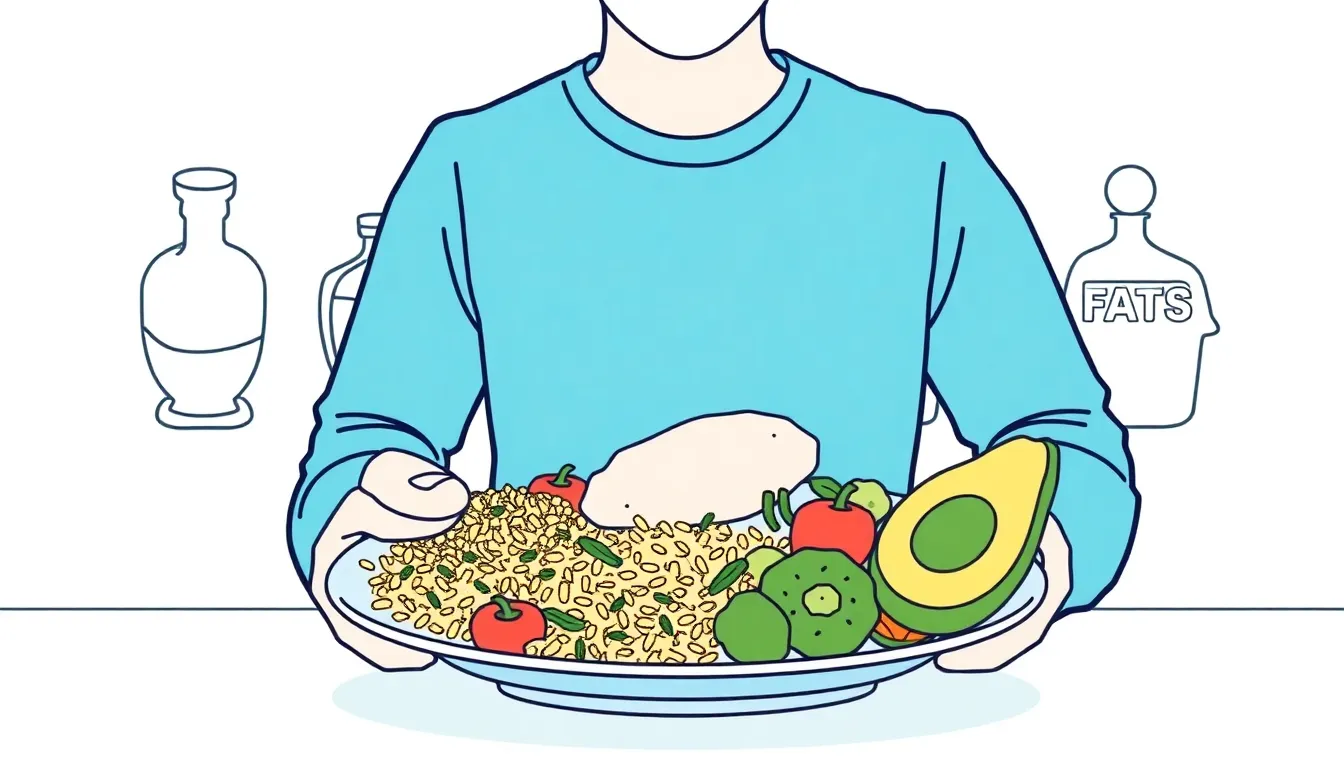
Weight loss advice can feel overwhelming when you're bombarded with conflicting information about what to eat and what to avoid. The truth is simpler than you might think: understanding macronutrients - protein, carbohydrates, and fats - gives you the foundation you need to make informed choices. These three nutrients provide all the energy your body needs, and knowing how they work together can transform your approach to losing weight. You don't need to follow extreme diets or eliminate entire food groups. Instead, learning how each macronutrient affects your body helps you create a sustainable eating pattern that supports your goals while keeping you satisfied and energized.
What Macronutrients Actually Do in Your Body
Protein, carbohydrates, and fats are the three main macronutrients that supply energy, or calories, to your body. Each one plays distinct roles that go far beyond just providing fuel. Protein builds and repairs tissues, supports immune function, and creates enzymes and hormones. Carbohydrates serve as your body's preferred energy source, especially for your brain and muscles during physical activity. Fats help absorb vitamins, protect your organs, and produce hormones that regulate everything from appetite to mood.
The caloric density of these macronutrients matters when you're trying to lose weight. Protein and carbohydrates each provide 4 calories per gram, while fat provides 9 calories per gram, making fat the most calorie-dense macronutrient. This doesn't mean fat is bad - it just means you need to be aware of portions. A tablespoon of olive oil contains about 120 calories, while the same volume of cooked chicken breast has roughly 35 calories. Both have their place in a healthy diet, but understanding these differences helps you make choices that align with your calorie goals.

Your body processes each macronutrient differently, which affects how full you feel and how long that fullness lasts. This is where strategic thinking about your plate composition really pays off. You're not just counting calories - you're choosing foods that work with your metabolism, not against it.
💡 Pro Tip: Take five minutes to calculate your current macronutrient breakdown using a free tracking app for just one typical day. You'll often discover you're eating far less protein and far more carbohydrates than you realized, which explains why you're hungry two hours after meals.
Why Protein Deserves Top Priority for Weight Loss
Adequate protein intake is crucial for weight loss as it helps you feel fuller and works to protect lean muscle mass during calorie restriction. When you cut calories, your body doesn't automatically burn just fat - it can break down muscle tissue too, which slows your metabolism over time. Eating enough protein signals your body to preserve that muscle while using fat stores for energy instead.
The satiety factor alone makes protein worth prioritizing. A breakfast with scrambled eggs keeps you satisfied much longer than a bagel with jam, even if both meals contain similar calories. Protein takes longer to digest than carbohydrates, and it triggers the release of hormones that tell your brain you're full. This isn't just theory - you've probably experienced the difference yourself between eating a chicken salad versus a bowl of pasta for lunch.
How much protein do you actually need? While individual needs vary based on activity level and body composition, aiming for 0.7 to 1 gram of protein per pound of target body weight gives most people good results. If you weigh 180 pounds and want to reach 150, that means targeting 105-150 grams of protein daily. A palm-sized portion of chicken breast provides about 25-30 grams, Greek yogurt adds another 15-20 grams, and a handful of almonds contributes 6 grams. It adds up faster than you think when you plan for it.
💡 Pro Tip: When dining out, immediately ask for a to-go box and pack away half your entree before you start eating. Restaurant portions typically contain 800-1200 calories in a single meal, and splitting it automatically controls your intake without requiring willpower when you're already full but food remains on your plate.
Choosing the Right Carbohydrates Makes All the Difference
Carbohydrates often get blamed for weight gain, but the type of carbohydrate matters far more than simply eating carbs versus not eating them. Complex carbohydrates from sources like whole grains, vegetables, and legumes offer sustained energy and fiber, contributing to satiety and overall health during weight loss, unlike simple sugars. A sweet potato topped with black beans keeps your energy stable for hours, while a candy bar sends your blood sugar spiking and crashing within an hour.
Fiber deserves special attention when we talk about carbohydrates and weight loss. Foods rich in fiber slow down digestion, help regulate blood sugar, and literally take up space in your stomach, making you feel full with fewer calories. A cup of cooked lentils provides 15 grams of fiber and 18 grams of protein for about 230 calories - that's exceptional nutritional value. Compare that to white bread, which offers minimal fiber and leaves you reaching for another snack soon after.
The timing of your carbohydrate intake can support your goals too. Eating most of your carbs around your workout times - whether that's a morning gym session or an evening walk - means your muscles use that glucose for energy and recovery. Your body handles carbohydrates more efficiently when you're active. This doesn't mean you can't have carbs at other times, but being strategic about when you eat your largest carb portions can work in your favor.
Don't fall into the trap of thinking lower is always better with carbohydrates. Going too low can backfire, leaving you irritable, low-energy, and more likely to binge when willpower runs out. Most active adults do well with 40-50% of their calories from quality carbohydrate sources, adjusted based on how you feel and what your results show over several weeks.
Making Peace with Dietary Fat
Fat got demonized for decades, but we now understand that dietary fat doesn't directly translate to body fat when you manage your total calorie intake. To lose weight, creating a calorie deficit, where you consume fewer calories than you burn, is more important than specific macronutrient ratios alone. That said, because fat provides 9 calories per gram, it's easy to overeat calorie-dense foods without realizing it.
The type of fat matters for both health and satiety. Foods rich in omega-3 fatty acids - like salmon, walnuts, and flaxseeds - support brain health and reduce inflammation. Monounsaturated fats from sources like avocados, olive oil, and almonds improve heart health markers. These fats also help you absorb fat-soluble vitamins A, D, E, and K from the vegetables on your plate. A salad without any fat source means you miss out on many of the nutrients in those greens.
Portion awareness becomes critical with fats. Two tablespoons of peanut butter seem like a reasonable snack until you realize it's 190 calories - not a lot of food volume for those calories. This doesn't mean avoiding peanut butter; it means being honest about how much you're actually using. Measuring your fats for even just a week teaches you what appropriate portions look like, and that knowledge sticks with you long after you stop measuring.
Aim for about 20-30% of your daily calories from healthy fats. For someone eating 1,800 calories per day, that's 40-60 grams of fat. Include fat sources you genuinely enjoy - maybe that's cheese on your eggs, olive oil roasted vegetables, or a piece of dark chocolate after dinner. Sustainability comes from satisfaction, not deprivation.
Conclusion
Understanding macronutrients gives you power over your weight loss journey because you're making informed decisions rather than following arbitrary rules. The calorie deficit remains the fundamental requirement - you cannot lose weight without burning more than you consume - but how you create that deficit determines whether you feel energized or exhausted, satisfied or starving. Prioritizing protein protects your muscle and keeps hunger manageable. Choosing complex carbohydrates over simple sugars stabilizes your energy and provides essential fiber. Including healthy fats in reasonable portions supports hormone production and helps you actually enjoy your meals.
The real work isn't learning these principles - it's applying them consistently while being patient with yourself. Your perfect macronutrient balance might look different from someone else's, and that's completely fine. Pay attention to how you feel, track your progress over weeks rather than days, and adjust based on real results rather than jumping to the next trending diet. Start with small changes: add a protein source to breakfast, swap white rice for brown rice and vegetables, measure your oils for a week. These seemingly minor adjustments compound over time into significant, lasting results.
FAQs
Should I track my macronutrients daily or just focus on overall calories?
Start by tracking everything for two weeks to understand your eating patterns, then decide based on your personality and results. Some people thrive with detailed tracking while others do better with general awareness once they've learned portion sizes. If you're losing weight steadily and feeling good with calorie tracking alone, that's sufficient. If you're stuck despite a calorie deficit, examining your macronutrient breakdown often reveals you're under-eating protein or over-relying on simple carbohydrates that leave you hungry.
Can I lose weight eating any macronutrient ratio as long as I'm in a calorie deficit?
Yes, you'll lose weight in any calorie deficit regardless of macronutrient ratios, but the quality of that weight loss and how you feel matters enormously. A diet too low in protein will cause you to lose significant muscle alongside fat, slowing your metabolism. Extremely low carbohydrate intake can affect your energy for workouts and daily activities. Very low fat intake can disrupt hormone production and leave your skin and hair suffering. The best ratio supports fat loss while preserving muscle, energy, and overall health.
What's the best way to increase my protein intake without eating meat at every meal?
Greek yogurt, cottage cheese, eggs, edamame, tofu, tempeh, quinoa, and legumes all provide substantial protein without meat. Protein powder in smoothies adds 20-25 grams easily. Nutritional yeast sprinkled on popcorn or pasta adds a cheesy flavor with complete protein. High-protein bread varieties now available in most grocery stores provide 6-8 grams per slice compared to 2-3 grams in regular bread. Combining plant proteins throughout the day - like rice and beans, or hummus with whole grain pita - creates complete amino acid profiles.
How do I know if I'm eating too little fat on my weight loss diet?
Physical signs include constantly feeling cold, dry or flaky skin despite moisturizing, hair that's brittle or falling out more than usual, irregular menstrual cycles in women, persistent hunger even after meals, and difficulty concentrating. If your fat intake drops below 15-20% of total calories for extended periods, these symptoms often appear within 4-6 weeks. Many people eating extremely low-fat diets also experience intense cravings for high-fat foods, which can trigger binge episodes that undo their progress.
Do I need to eat different macronutrient ratios on workout days versus rest days?
Slightly increasing carbohydrates on heavy training days and reducing them on rest days can optimize performance and recovery, but it's not mandatory for weight loss success. This approach, called carb cycling, works well for people doing intense resistance training or endurance exercise 4-5 times weekly. If you're walking 30 minutes daily or doing moderate exercise, keeping your macros consistent seven days a week is simpler and works just as well. Save the complexity of cycling for when basic consistency stops producing results.