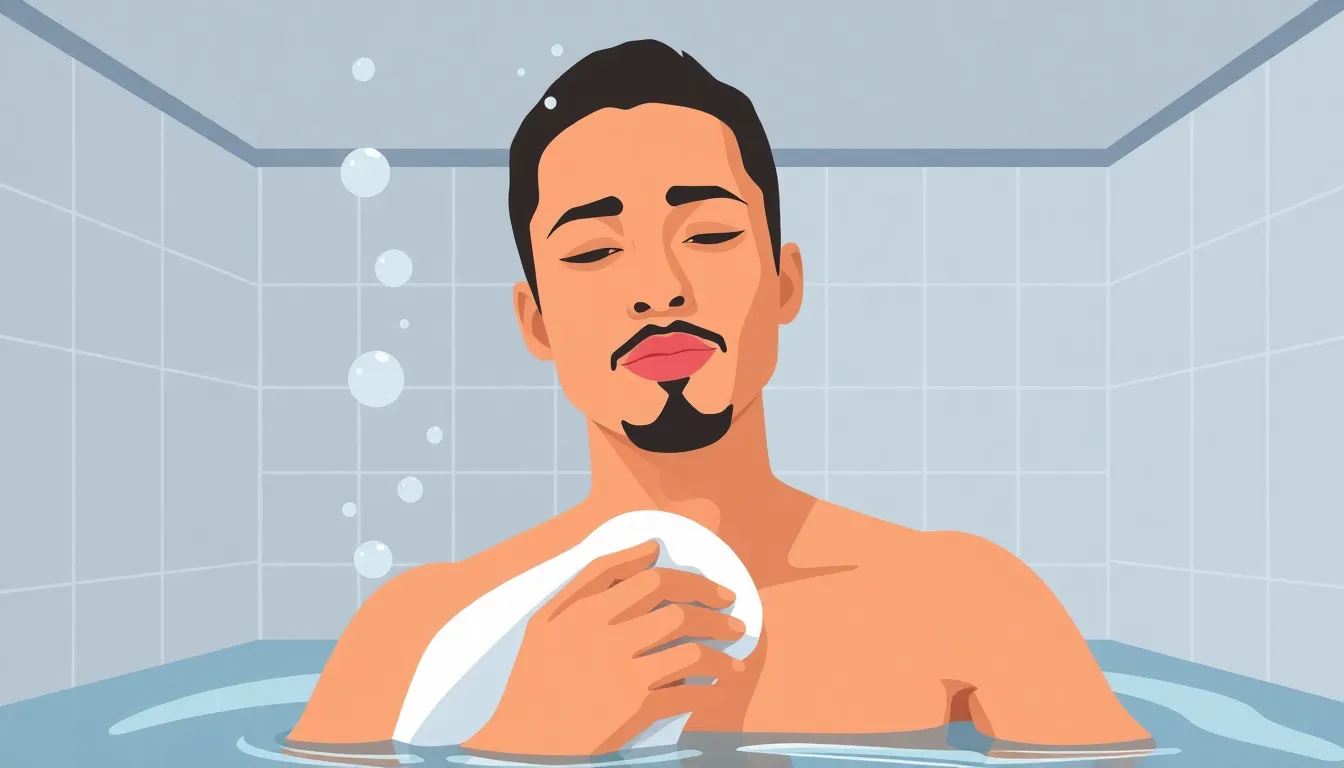
The Benefits of Cold Plunging: Fact or Fad?
Cold plunging has exploded in popularity over the last few years. Athletes swear by it, wellness influencers promote it, and suddenly everyone's talking about jumping into ice baths. But here's the thing - is cold plunging actually worth the shock to your system, or is it just another wellness trend that sounds good on social media? The answer, honestly, sits somewhere in the middle. There's legitimate science backing some claims, but the hype has definitely outpaced the evidence in other areas. Let's dig into what cold plunging actually does to your body and whether it deserves a spot in your routine.
Understanding Cold Plunging and How It Works
Cold plunging is pretty straightforward - you submerge yourself in cold water, usually between 50-60 degrees Fahrenheit, for a short period. Some people do it for just 30 seconds, while others stretch it to a few minutes. When your body hits that cold water, your nervous system kicks into high gear. Your heart rate jumps, your breathing changes, and your body releases a bunch of hormones. This physiological response is what people are actually after. Your sympathetic nervous system activates - that's your fight-or-flight response - which triggers the release of adrenaline and noradrenaline. Over time, repeated cold exposure may help your body become more resilient to stress, though the evidence on this is still developing. The appeal makes sense if you think about it: you're essentially training your body to handle discomfort better. But training your body to handle discomfort is different from getting magic health benefits. Some of the buzz around cold plunging comes from studies on elite athletes and controlled research settings, which doesn't always translate to what happens when you jump into your backyard tub filled with ice.
💡
Pro-Tip: Start with water that's warmer than you think you need - around 60-65 degrees. Your body adapts faster to regular cold exposure than to the shock of extreme temperatures, and you're more likely to stick with it.
The Physical Health Claims: What Actually Stands Up
Let's talk about the health claims, because this is where the line between fact and exaggeration gets blurry. Cold water immersion has been shown to reduce inflammation in some studies, particularly after intense exercise. Athletes recovering from tough workouts have reported less muscle soreness when they use cold plunging as part of their recovery routine. That's not nothing - reduced soreness means faster healing and the ability to train more frequently. Some research also suggests cold plunging can improve circulation. When you expose your body to cold, your blood vessels constrict, and then when you warm up, they dilate. This cycle might strengthen your cardiovascular system over time. There's also emerging evidence that cold exposure can boost your immune system, though the research here is still thin. The immune response is real - your white blood cell count goes up after cold plunging - but whether this translates into actually getting sick less often is still an open question. What's important to understand is that most of the solid research comes from repeated, controlled cold exposure, not just the occasional ice bath. You can't plunge once and expect lasting benefits. The consistency matters way more than the intensity.
💡
Pro-Tip: If you're using cold plunging for recovery, do it within 10-15 minutes after your workout. The timing matters more than the temperature - your body is primed to respond at that window.
The Mental Resilience Angle: The Real Magic
Here's where cold plunging might actually shine - the mental side. Jumping into freezing water is uncomfortable. It's genuinely difficult. That discomfort is a feature, not a bug. When you push through something unpleasant regularly, you start to build what people call stress resilience or mental toughness. You realize your body can handle more than your mind thinks it can. This isn't about becoming tough in some macho sense. It's about understanding that discomfort is temporary and manageable. People report feeling more confident after consistently doing cold plunges, and that confidence might spill over into other areas of their lives. Some folks use it as a meditation practice - focusing on their breathing while in the cold water. The cold becomes a tool for practicing calm in an uncomfortable situation. That's actually useful. The mental benefits seem more reliable than the physical ones, honestly. You get a genuine sense of accomplishment from doing something hard, and that feeling is real regardless of what happens to your inflammation markers.
The Potential Downsides and Who Should Skip It
Cold plunging isn't for everyone, and that's okay. If you have cardiovascular issues, cold water immersion can strain your heart. The sudden shock puts stress on your system, and for people with heart problems, that's genuinely risky. Pregnant people should avoid it - the cold shock can affect blood flow to the baby. If you have high blood pressure, check with your doctor first. People with cold urticaria (an allergic reaction to cold) obviously shouldn't do this. Beyond the health contraindications, some people just hate it, and that's valid. You don't need to force yourself into an ice bath for wellness. There are plenty of other ways to improve your health that don't involve extreme discomfort. Also, here's something people don't talk about enough - cold plunging can actually interfere with muscle growth if you do it right after strength training. The cold constricts blood vessels and slows protein synthesis, which is the opposite of what you want if you're trying to build muscle. The timing and context matter a lot more than just having a blanket cold plunging routine.
The Verdict: Fact, Fad, or Something In Between?
So, is cold plunging a legitimate practice or just hype? The answer is both. There's real science here - it does have measurable effects on your body and mind. But it's not a magic solution, and it's definitely not necessary for health. If you're an athlete looking to reduce recovery time, it might be worth trying. If you're interested in building mental resilience and you can handle the discomfort, go for it. But if you hate the idea, you're not missing out on some essential health practice. Cold plunging works best as one tool among many - combined with proper sleep, nutrition, and exercise. The hype has made it seem more transformative than it probably is. That said, the dedicated practitioners who do it consistently and safely do report real benefits. It's less of a fad and more of a legitimate option that works better for some people than others. The key is understanding what you're actually getting - some legitimate physical adaptations and genuine mental toughness practice - not miraculous health transformations.
FAQs About Cold Plunging
How long should you stay in cold water when cold plunging?
Start with 30 seconds to a minute if you're new to cold plunging. Your body needs time to adapt to the stress. After a few sessions, you can work up to 2-3 minutes. Going longer than that doesn't necessarily give you better results - consistency matters more than duration. Listen to your body and don't push past the point where you feel genuinely unsafe.
Can cold plunging help with weight loss?
Cold exposure does increase calorie burn temporarily, and some research suggests it might activate brown fat, which burns calories for heat. However, the effect is modest. Cold plunging alone won't lead to significant weight loss. It might help as a small part of a broader health routine, but don't expect it to replace diet and exercise.
Is it safe to cold plunge every day?
Most research suggests cold plunging 2-4 times per week is effective and safe for most people. Daily cold plunging might be excessive and could potentially stress your system. Your body needs recovery time to adapt. If you're considering daily cold exposure, talk to your doctor first, especially if you have any existing health conditions.
Does cold plunging actually boost immunity?
Cold exposure does trigger immune responses - your white blood cell count increases after plunging. However, whether this translates into actually getting sick less often isn't fully proven. Regular cold plunging might help, but it's definitely not a substitute for sleep, nutrition, and basic hygiene when it comes to staying healthy.
What's the difference between cold plunging and cold showers?
Cold showers expose you to cold water gradually and for a longer period, while cold plunges involve rapid, full-body immersion in very cold water. Plunges create a stronger initial shock and activate your sympathetic nervous system more intensely. Cold showers are generally safer for beginners and might be a good starting point before trying actual plunges.