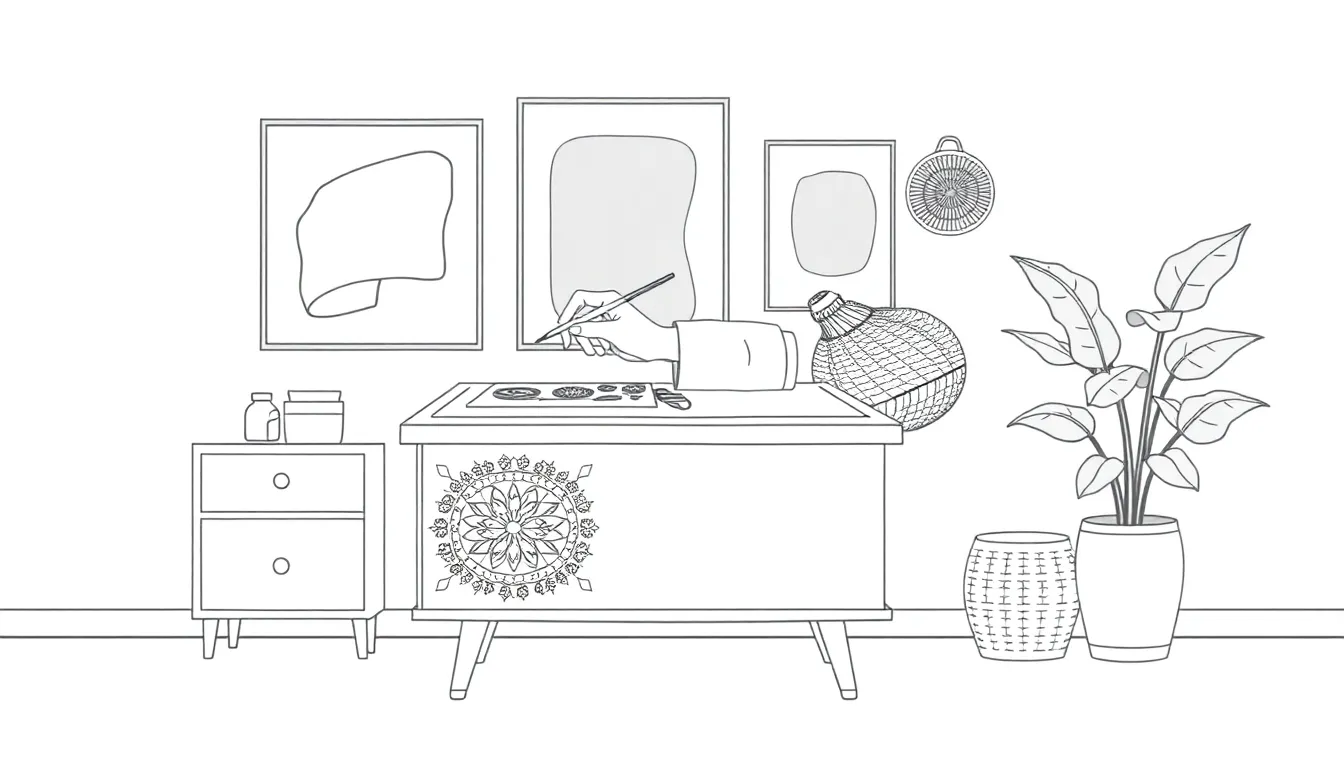
Pinterest has become the go-to digital mood board for home decorators around the world, and the platform is moving faster than ever. Trends now evolve more than four times quicker than they did seven years ago, making it the perfect place to spot what's next in DIY home decor. Whether you're drawn to bold maximalist statements or prefer the personal touch of hand-painted furniture, these Pinterest-driven trends show that you don't need a big budget to create a space that feels uniquely yours. Let's look at the DIY decor movements that are dominating feeds and inspiring creative homeowners to roll up their sleeves.
Playful Personalization Through Hand-Painted Furniture
Generic furniture is out. Personal expression is in. The rise of hand-painted furniture represents a shift toward homes that tell stories rather than follow cookie-cutter design rules. Searches for hand-painted furniture have jumped 135% on Pinterest, and it's easy to see why. This trend gives new life to thrifted finds, family heirlooms, or even that basic IKEA dresser you've had for years.
What makes this trend so appealing is its accessibility. You don't need formal art training to transform a piece of furniture with paint. Simple techniques like color blocking, geometric patterns, or whimsical florals can completely change the character of a dresser, side table, or chair. The key is choosing colors that speak to you and committing to the process. Chalk paint has become a favorite among DIY enthusiasts because it requires minimal prep work and adheres well to most surfaces without sanding.
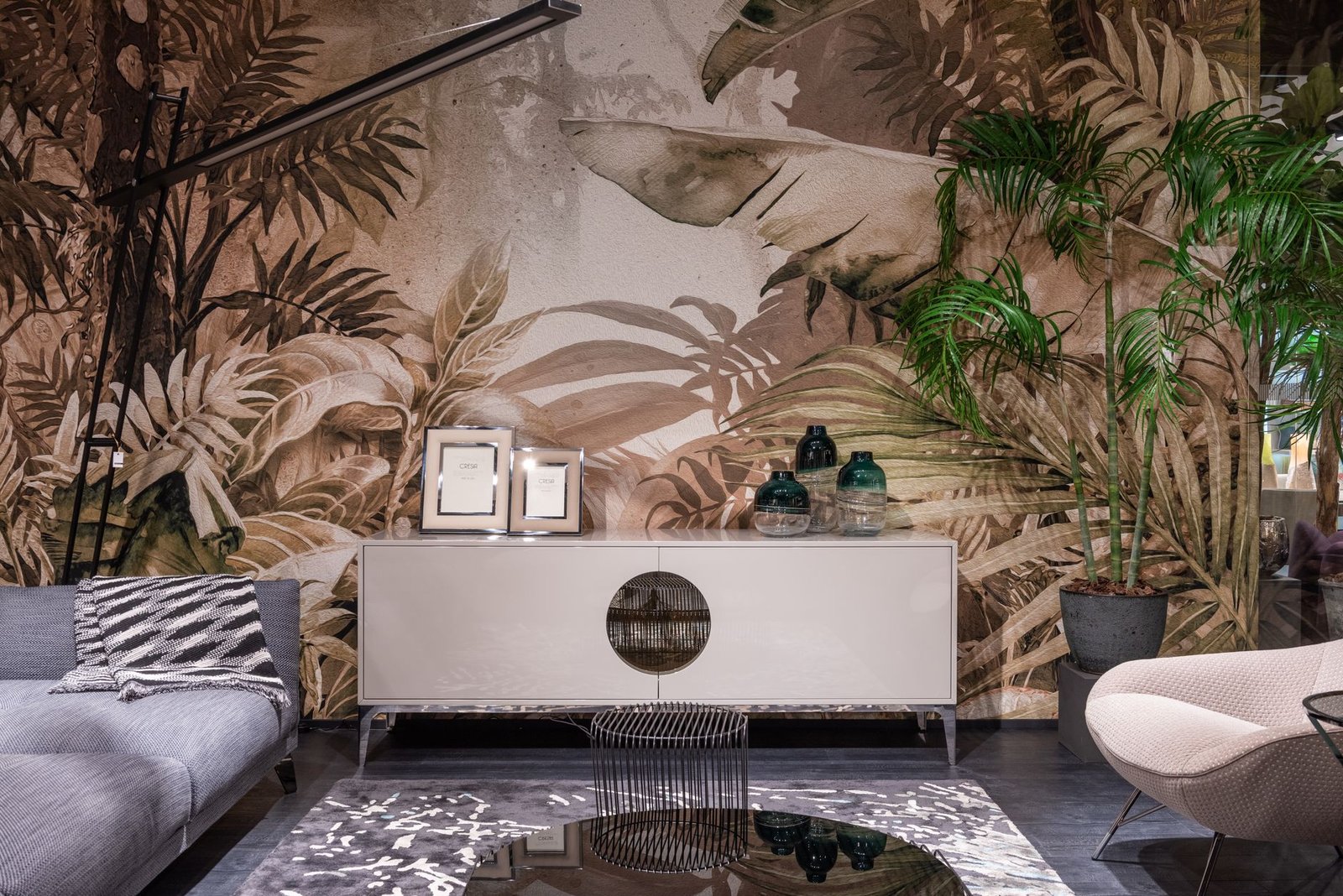
People are getting creative with their designs too. Some paint checkerboard patterns on tabletops, while others add delicate trailing vines along drawer fronts. The beauty of this trend is that imperfection adds charm. A slightly wobbly hand-drawn line looks artisanal, not amateurish. Plus, if you don't love the result, you can always paint over it and start fresh. The cost barrier is remarkably low - a quart of quality furniture paint runs about $15 to $25, and that's often enough to complete an entire piece.
💡 Pro Tip: Before painting any furniture piece, wipe it down with a 50/50 mix of white vinegar and water. This removes invisible oils and residues that can prevent paint from adhering properly, saving you from frustrating peeling down the road. Let it dry completely, then paint.
The Bold Return of Vintage Maximalism
After years of minimalism dominating design conversations, maximalism is staging a dramatic comeback. Searches for vintage maximalism have surged by 260% on Pinterest, signaling that people are ready for spaces with personality, color, and visual abundance. This isn't about cramming random stuff into a room - it's about curating collections, layering patterns, and celebrating the things you love without apology.
Vintage maximalism draws heavily from past decades, particularly the rich, eclectic style of the 1970s and the ornate Victorian era. Think jewel tones, patterned wallpaper, gallery walls packed with vintage art finds, and shelves filled with collected treasures. The DIY angle comes in through thrifting, refinishing, and creative displays. Instead of buying everything new from a big-box store, maximalist decorators hunt estate sales, antique shops, and online marketplaces for unique pieces with history.
One popular DIY project within this trend is creating statement walls using vintage plates, mirrors, or framed botanical prints arranged in salon-style groupings. Another is mixing textiles - velvet cushions alongside embroidered pillows, layered rugs in complementary patterns, and curtains in bold prints. The key to making maximalism work is having a cohesive color story. You can mix patterns freely as long as they share a common palette. A room might feature floral wallpaper, striped cushions, and geometric artwork, but if they all pull from emerald green, burnt orange, and cream, the space feels intentional rather than chaotic.
💡 Pro Tip: When thrifting for maximalist decor, look for items in sets of three or five. Odd numbers create more visually interesting arrangements than pairs. Three candlesticks at varying heights or five vintage books stacked under a plant create that collected-over-time look that defines authentic maximalism.
Afrohemian Decor Blending Cultural Influences
A fresh aesthetic is gaining serious momentum on Pinterest: Afrohemian decor, which merges African design elements with bohemian style. Searches for "afrobohemian home decor" have climbed 220%, reflecting a growing desire for spaces that honor cultural heritage while embracing global influences. This trend celebrates rich textures, earthy tones, natural materials, and handcrafted items that tell stories.
Afrohemian style incorporates mudcloth textiles from Mali, woven baskets from Ghana, carved wooden sculptures, and macrame wall hangings. The color palette tends toward warm neutrals - terracotta, ochre, deep browns, and cream - punctuated with pops of jewel tones. Natural materials like jute, rattan, and clay feature prominently, creating spaces that feel grounded and organic.
The DIY opportunities within this trend are plentiful. Many people start by creating their own mudcloth-inspired pillows using fabric paint and simple geometric patterns on canvas fabric. Others craft macrame plant hangers or wall hangings, a skill that's easier to learn than it looks thanks to countless YouTube tutorials. Displaying collections of woven baskets on walls has become particularly popular - you can find affordable baskets at import stores or online, and arranging them creates instant visual impact.
This style also embraces natural plant life heavily. Large leafy plants like fiddle-leaf figs or bird of paradise plants complement the aesthetic beautifully, and you can display them in handmade ceramic planters or woven baskets. The overall effect is a space that feels warm, lived-in, and connected to both nature and cultural tradition. Best of all, many Afrohemian elements can be sourced affordably through fair-trade retailers or created through DIY projects.
Budget-Friendly Projects That Look Expensive
One common thread running through Pinterest's top DIY trends is the focus on creating high-end looks without high-end budgets. Resourceful decorators are mastering the art of making thrifted and inexpensive materials look expensive through clever techniques and thoughtful finishing touches.
Faux marble surfaces have exploded in popularity. Using contact paper or specialized paint kits, people are transforming basic countertops, side tables, and trays into convincing marble lookalikes for a fraction of what real stone costs. Similarly, DIY concrete planters made from molds and quick-set concrete mix create that modern, gallery-worthy look for under $20 in materials.
Another budget-savvy trend is upgrading builder-grade fixtures with spray paint and new hardware. A basic bathroom mirror gets framed with wood trim and painted to look custom. Plain lampshades receive makeovers with fabric, trim, or paint. Cabinet hardware gets swapped for more sophisticated pulls and knobs. These small changes create a ripple effect throughout a space, making everything look more considered and expensive.
The Pinterest community has also embraced making art rather than buying it. Abstract acrylic paintings are surprisingly forgiving for beginners, and a large-scale canvas can be created for the cost of supplies - around $30 for a substantial piece. Pressed botanical prints in thrifted frames offer another affordable art solution. Even professional-looking wall murals are achievable with painter's tape, patience, and a steady hand.
Conclusion
The DIY home decor trends taking over Pinterest in 2026 share a common philosophy: your home should reflect who you are, not what a catalog tells you to buy. Whether you're hand-painting furniture to add personal flair, embracing the abundant joy of vintage maximalism, incorporating the warm textures of Afrohemian style, or simply finding clever ways to make budget materials look luxurious, these trends empower you to create spaces with intention and creativity. The beauty of DIY is that you can start small. Paint one piece of furniture. Hang a gallery wall of thrifted finds. Add a few mudcloth pillows. Each project builds your confidence and adds another layer of personality to your home. The trends will keep evolving - Pinterest guarantees that - but the satisfaction of creating something beautiful with your own hands remains timeless. Your space doesn't need to be magazine-perfect; it just needs to feel like yours.
FAQs
What supplies do I need to start hand-painting furniture?
You'll need furniture-specific paint (chalk or mineral paint works best), a few quality brushes in different sizes, fine-grit sandpaper for smoothing between coats, a clear sealer or wax for protection, and painter's tape if you're creating patterns. Most projects can be completed with $40 to $60 worth of supplies, and leftovers work for future pieces.
How can I practice maximalism without making my space feel cluttered?
Edit as you go by removing one item each time you add something new. Stick to a defined color palette even when mixing patterns. Create intentional vignettes on shelves and surfaces rather than scattering items randomly. Use vertical space with gallery walls and tall shelving to keep surfaces clearer while still achieving visual abundance.
Where can I find authentic pieces for Afrohemian decor?
Look for fair-trade retailers like Ten Thousand Villages, browse Etsy for artisans selling handmade African textiles and baskets, or visit local import stores. Thrift stores often have woven baskets and natural fiber pieces at great prices. You can also support Black-owned home decor businesses that specialize in this aesthetic.
What's the easiest budget-friendly DIY project for beginners?
Upgrading cabinet and drawer hardware is the simplest high-impact project. You only need a screwdriver, and new pulls or knobs cost $2 to $8 each. Painting an accent wall is another beginner-friendly option that requires minimal skill but transforms a space completely. Both projects can be completed in an afternoon.
How do I choose which Pinterest trend will work in my existing space?
Consider your current furniture and architecture. If you have ornate molding or vintage bones, maximalism complements that beautifully. Modern, minimal spaces pair well with selective personalized pieces like hand-painted furniture. Afrohemian works in any setting but shines in rooms with good natural light. Start by saving pins that genuinely excite you, then look for common threads in your saves.