Patagonia sits at the bottom of the world, a vast wilderness split between Chile and Argentina where jagged peaks pierce endless skies and glaciers calve into turquoise lakes. This isn't your typical tourist circuit. The region spans nearly 400,000 square miles of untamed landscapes that challenge even seasoned travelers with unpredictable weather, remote trails, and distances that humble modern convenience. Yet thousands make the journey each year, drawn by landscapes so raw they seem prehistoric. Whether you're watching condors ride thermals over Torres del Paine or standing beneath the Perito Moreno Glacier as chunks of ice crash into the water, Patagonia rewards those willing to venture off the beaten path with experiences that redefine what wild places can be.
Understanding Patagonia's Dual Identity
Patagonia doesn't belong to one country. The region sprawls across the southern reaches of both Chile and Argentina, with the Andes Mountains forming a natural but porous border. Chilean Patagonia features dramatic fjords, temperate rainforests, and some of the most accessible glaciers on Earth. Cross into Argentina and the landscape shifts to sweeping steppes, windswept plateaus, and the wildlife-rich Valdés Peninsula.
The name itself comes from "patagones," meaning "big feet." Ferdinand Magellan coined this term in 1520 when describing the indigenous Tehuelche people he encountered. Whether this referred to their actual stature or the guanaco-skin boots they wore remains debated, but the name stuck, becoming synonymous with this vast frontier.
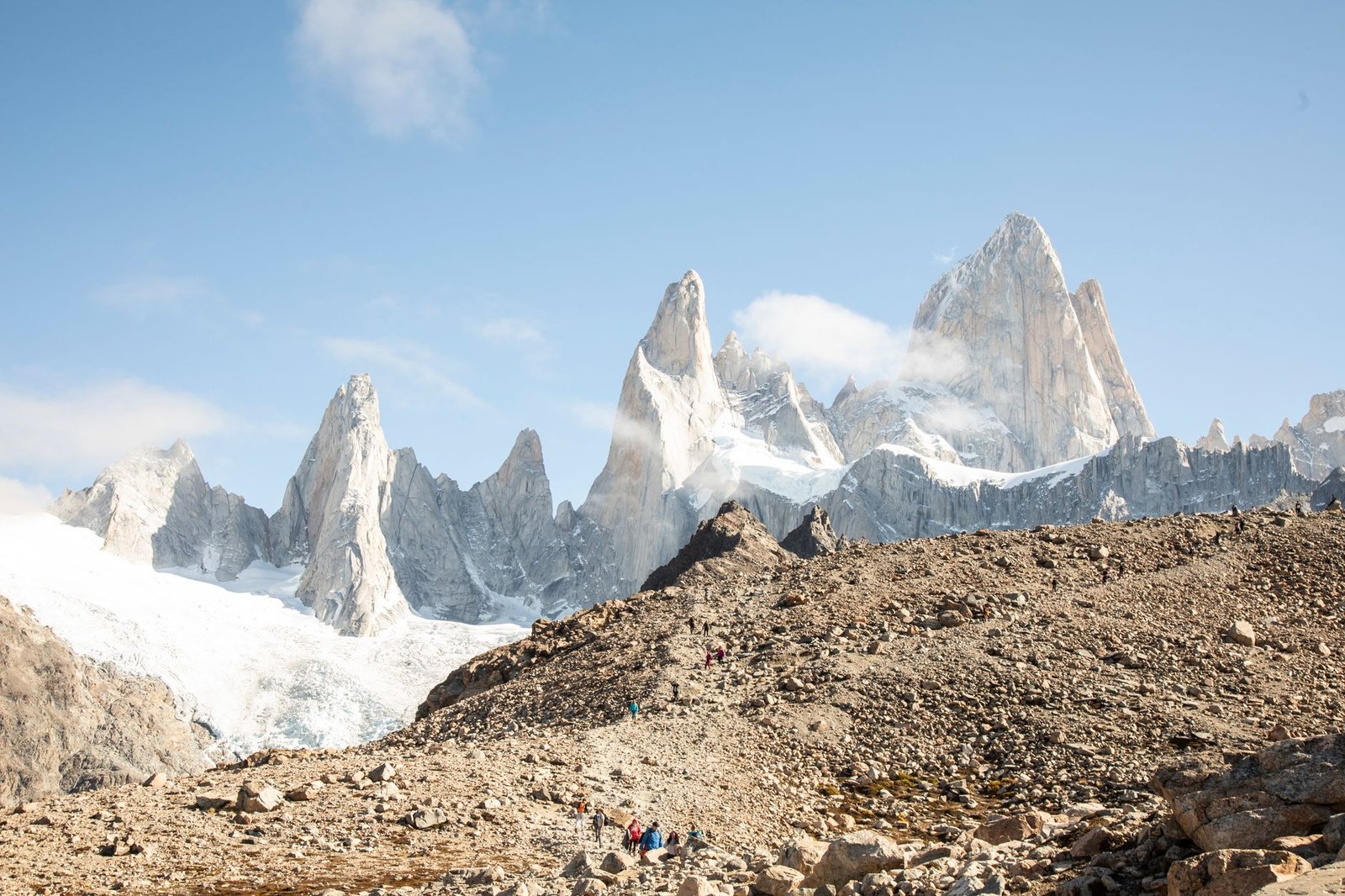
Each side offers distinct advantages. Torres del Paine National Park on the Chilean side delivers concentrated beauty with its granite towers and easier logistics through Puerto Natales. Argentine Patagonia counters with El Chaltén, the self-proclaimed trekking capital, and the biodiversity hotspot of Península Valdés where southern right whales breed just offshore. Most travelers pick a side based on time constraints, but crossing the border opens up the full spectrum of what Patagonia offers.
💡 Pro Tip: Border crossings between Argentina and Chile can take 3-5 hours during peak season. Book your bus tickets at least two days ahead, and pack snacks - there's nothing but checkpoint stations for hours. Agriculture inspection is strict: they'll confiscate any fresh fruit, meat, or dairy you're carrying.
When Weather Dictates Everything
Patagonia's weather operates on its own logic. You can experience all four seasons in a single afternoon, with sunshine giving way to horizontal rain and back again within hours. The region sits in the path of the Furious Fifties, those latitudes where westerly winds circle the globe unimpeded by landmass. Wind speeds regularly exceed 50 mph, strong enough to knock you off balance on exposed ridges.
Summer (December through February) brings the longest days, with twilight lasting until nearly 11 PM at southern latitudes. This is peak season, which means crowded trails and higher prices, but also the most stable weather and warmest temperatures, typically ranging from 45-65°F. Shoulder seasons of November and March offer solitude and still-decent conditions, though you'll need to prepare for snow even at lower elevations.
Winter transforms Patagonia into something else entirely. Many trails close, tourist infrastructure shuts down, and temperatures can plummet below zero. But if you're willing to brave the cold, you'll have iconic sites nearly to yourself. The few lodges that stay open offer substantial discounts, sometimes 40-50% off summer rates. Just understand that a winter trip requires serious cold-weather gear and backup plans for nearly every activity.
💡 Pro Tip: Layer with merino wool base layers and a windproof shell rated for at least 10,000mm waterproofing. Patagonia's wind-driven rain finds every gap in inferior rain gear. I learned this the hard way on the Mirador Base Las Torres trail when my "water-resistant" jacket soaked through in the first hour.
The Paleontology Connection Few Expect
Most people come to Patagonia for mountains and glaciers. Few realize they're walking through one of Earth's most significant paleontological sites. Torres del Paine National Park contains one of the world's largest dinosaur cemeteries, where researchers have unearthed fossils from multiple species dating back to the Cretaceous period. In Neuquén Province, Argentina, paleontologists discovered the remains of a titanosaur that measured over 120 feet long, making it one of the largest land animals ever to exist.
These discoveries reshape how we understand prehistoric life in the Southern Hemisphere. The fossils reveal that Patagonia once supported lush forests and massive herbivores, a stark contrast to today's windswept steppes. Several museums in the region display these finds, with the MEF (Museo Paleontológico Egidio Feruglio) in Trelew offering world-class exhibits that rival anything in North America or Europe.
You don't need to be a scientist to appreciate this dimension of Patagonia. Guided fossil walks near El Calafate and self-guided interpretive trails in several national parks provide context for the rocks beneath your boots. Understanding that you're hiking through layers of prehistoric ocean floors and ancient volcanic deposits adds unexpected depth to the landscape.
Navigating Remote Logistics
Patagonia punishes poor planning. Distances are massive, public transportation is limited, and many areas have zero cell service. El Calafate to Torres del Paine is 180 miles but takes five hours by bus due to border crossings and road conditions. Puerto Natales to El Chaltén requires either backtracking through El Calafate or taking a remote route that only runs a few times weekly.
Car rentals offer freedom but come with caveats. Many agencies restrict which roads you can drive, forbidding the rough Route 40 sections in Argentina or the Carretera Austral in Chile. Gas stations can be 100 miles apart, and prices run nearly double what you'd pay in Santiago or Buenos Aires. One-way rentals between countries typically incur fees of $500 or more.
Organized tours solve logistics but limit spontaneity. Multi-day treks like the W Circuit in Torres del Paine or the Huemul Circuit near El Chaltén require advance bookings for refugios (mountain huts), sometimes six months ahead for prime summer dates. Miss those windows and you're camping, which demands carrying significantly more gear and obtaining separate permits.
Food shopping requires strategy. Stock up in larger towns like Puerto Natales, El Calafate, or Punta Arenas. Smaller settlements have limited selections at inflated prices. That said, you'll find excellent Argentine beef and Chilean salmon at reasonable rates even in remote areas. A bottle of local Malbec costs around $8-12 in most shops, perfect for warming up after a long day on the trail.
The Southernmost City Debate
Ushuaia wears the "End of the World" marketing label proudly, billing itself as the southernmost city globally. But Puerto Williams, Chile, actually sits further south across the Beagle Channel. The distinction comes down to semantics - Ushuaia has a larger population and more urban infrastructure, while Puerto Williams remains a small naval settlement of around 2,800 people.
For travelers, Ushuaia offers more services, direct flights from Buenos Aires, and easier access to Antarctica cruises. Puerto Williams appeals to those seeking absolute remoteness and the bragging rights of standing at the true southern limit of civilization. A boat connects the two towns, offering spectacular views of glaciers tumbling down from the Darwin Range.
Either location serves as a gateway to Tierra del Fuego National Park, where trails wind through southern beech forests to isolated bays. The park's coastal path delivers views across to Navarino Island, with snow-capped peaks reflected in mirror-calm waters. Beavers, introduced in the 1940s, have transformed large sections of the landscape, creating controversial wetlands where forest once stood.
Conclusion
Patagonia doesn't compromise. It demands respect, preparation, and a willingness to accept that nature sets the schedule here, not you. That planned hike might get scrubbed by 70 mph winds. The glacier viewpoint could be socked in with clouds. Your carefully researched restaurant might be closed because the owner decided to take the week off. This unpredictability frustrates some travelers while electrifying others who understand that truly wild places operate by different rules.
The reward for accepting these terms is access to landscapes that feel genuinely untouched. Watching a glacier calve sends a primal thrill through you that no manufactured experience can match. Hiking for hours without seeing another person resets your sense of scale and solitude. And knowing you've reached places that require real effort to access makes those views earned rather than given. The road less traveled through Patagonia remains less traveled for good reasons - but those reasons are precisely what make it worth the journey.
FAQs
Do I need to speak Spanish to travel through Patagonia?
Basic Spanish helps significantly, especially in smaller towns and when dealing with bus companies or arranging lodging. English is common in tourist hubs like Puerto Natales and El Calafate, but drops off quickly in rural areas. Download an offline translation app and learn key phrases for food, directions, and emergencies. Most hiking refugios have multilingual staff.
What's the minimum budget for a two-week Patagonia trip?
Budget travelers can manage on $70-90 per day by staying in hostels, cooking their own meals, and using buses. Mid-range travelers spending $150-200 daily can afford decent hotels, occasional restaurant meals, and guided day tours. Luxury lodges in Torres del Paine or El Chaltén run $400-800 per night. Flights between Patagonian cities add $150-300 each way, significantly impacting total costs.
How dangerous are pumas in Patagonia's national parks?
Puma attacks on humans are extraordinarily rare. Torres del Paine has a healthy puma population that primarily hunts guanacos. Rangers recommend making noise on trails, especially at dawn and dusk, and never approaching a puma if you spot one. Keep children close and don't run if you encounter one - back away slowly while facing the animal. Most hikers never see one despite their presence.
Can I visit Patagonia's glaciers without expensive boat tours?
Absolutely. Perito Moreno Glacier in Argentina has extensive boardwalks accessible with just the park entrance fee (around $30). Several glaciers near El Chaltén, including Glaciar Torre and Glaciar Piedras Blancas, can be reached via free hiking trails. Glacier Grey in Torres del Paine has a viewpoint accessible from the W Circuit. Boat tours offer different perspectives but aren't mandatory for glacier experiences.
What's the deal with Patagonia's notorious winds?
The winds are real and relentless, particularly from October through March. They blow primarily from the west, sometimes exceeding 90 mph at exposed locations. This affects camping (bring extra stakes and guy lines), hiking (lean into it on ridge crossings), and even driving (high-profile vehicles get buffeted constantly). Early mornings typically offer the calmest conditions before winds pick up by midday. The winds do bring a benefit - they keep mosquitoes at bay in areas that would otherwise be unbearable.