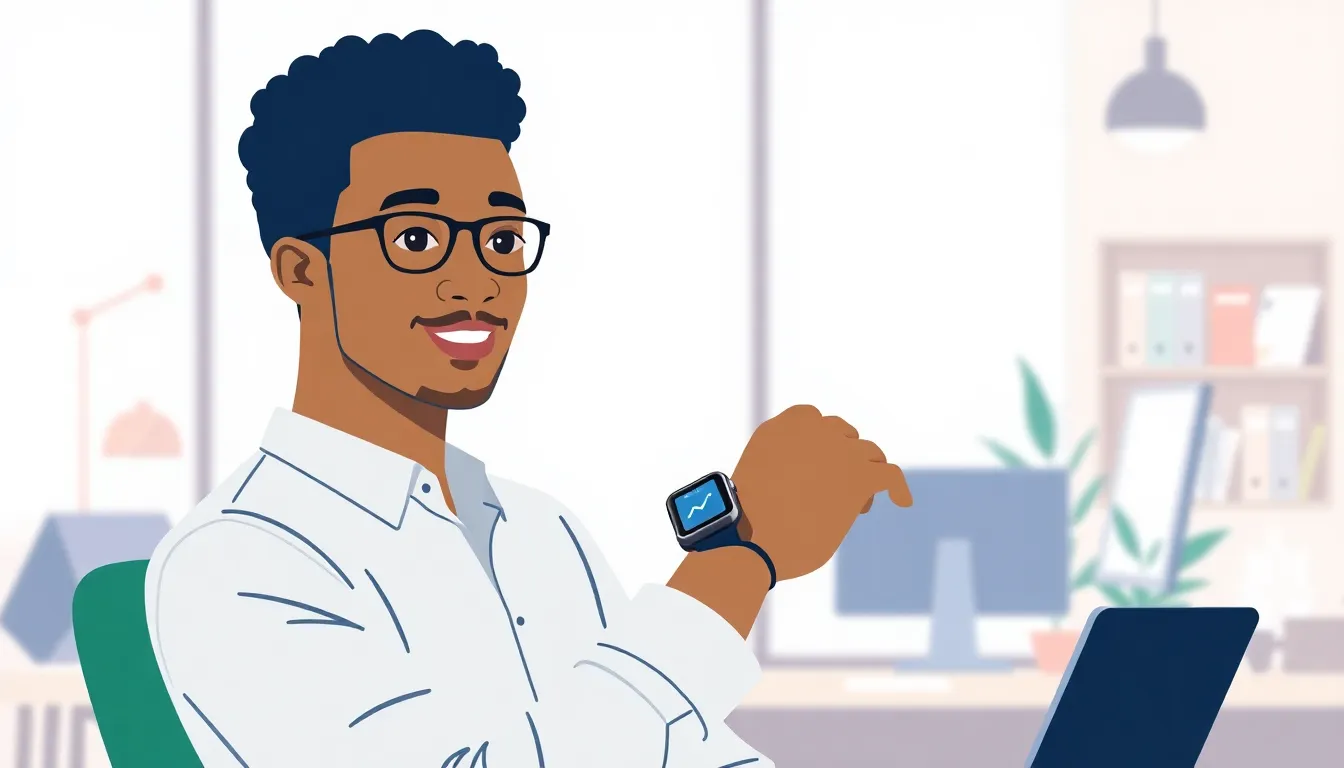
Wearable Tech: Is It Good for Your Mental Health?
We’re living in a world where your watch can tell you more about your stress levels than you can tell yourself. Wearable technology – smartwatches, fitness trackers, sleep monitors – has become part of daily life for millions of people. But here’s the thing: just because we can track something doesn’t always mean we should, or that it’s actually helping us feel better.
The promise sounds great. Real-time data about your heart rate, sleep quality, activity levels, and stress patterns. Data you can use to make smarter choices about your mental wellbeing. But like most promises in tech, the reality is more complicated. Some wearables genuinely help people take control of their mental health. Others? They just create more anxiety.
So what’s actually happening when you strap a device to your wrist and let it monitor your life 24/7? That’s what we’re going to figure out.
The Mental Health Tracking Advantage
Wearable devices offer something that traditional mental health care often can’t: constant, objective feedback. Your smartwatch isn’t judging you. It’s just collecting data – heart rate variability, sleep duration, physical activity – and presenting patterns you might never have noticed on your own.
For people managing anxiety or depression, this can be genuinely useful. You might discover that your anxiety spikes on days when you’ve slept poorly, or that 20 minutes of walking significantly lowers your stress markers. That kind of personal data becomes a tool. Instead of wondering why you feel terrible, you have actual information to work with.
The tracking part also creates accountability. When you see that you haven’t moved in eight hours, or that your sleep score has dropped three days in a row, something shifts mentally. It’s not about judgment – it’s about awareness. Many people say that simply seeing these patterns helps them make intentional changes. They go for a walk not because someone told them to, but because the data showed them it actually works.
There’s also something worth mentioning about the behavioral shift. When you know your device is tracking stress levels, you become slightly more conscious of what triggers stress. That consciousness itself can be therapeutic. Not always, but often enough that it matters for a lot of people.
💡
Pro-Tip: Start tracking just one metric that matters to you – sleep or daily movement – rather than obsessing over everything your device measures. One meaningful metric beats ten numbers you don’t understand.
When Wearables Create More Stress Than Relief
Here’s where things get tricky. The same tracking that helps some people can turn into obsession for others. It’s called orthorexia or obsessive health tracking, and it’s more common than you might think.
Imagine checking your stress levels ten times a day, watching them fluctuate, and feeling worse each time they spike. Or obsessing over your sleep score to the point where the anxiety about sleep becomes the real problem. The device that was supposed to help your mental health is now the source of constant worry.
There’s also a psychological phenomenon called nocebo – the opposite of placebo. When your wearable tells you that you’re stressed, sometimes you actually become more stressed. Your body responds to the information with anxiety. The notification becomes a self-fulfilling prophecy.
Additionally, not all metrics mean what you think they mean. Heart rate variability, stress scores, sleep quality numbers – these are algorithms making assumptions about your body. They’re not always accurate, and treating them as medical gospel can lead to unnecessary worry. You might get a “poor sleep” score when you actually felt rested, which then creates doubt about your own body’s signals. That’s backwards.
The comparison trap is real too. When your data syncs to an app that shows you how you stack up against friends or average users, suddenly your mental health becomes competitive. That’s not healthy.
💡
Pro-Tip: If you’re checking your wearable more than once or twice a day and it’s making you anxious, it’s time to put it away or turn off notifications. The mental health benefit disappears the moment it becomes a source of stress.
Sleep Tracking and What It Actually Tells You
Sleep is probably the most popular thing people track with wearables, which makes sense – sleep affects everything about mental health. But here’s something important: wearables are terrible at measuring actual sleep quality.
Most devices use movement and heart rate patterns to guess whether you’re asleep, but they can’t measure REM sleep or deep sleep with any real accuracy. They’re making educated guesses. So when your device tells you that you got “only 4 hours of quality sleep,” it might be completely wrong. You might feel great tomorrow because you actually slept fine. Or you might feel terrible because your device’s verdict is making you anxious about something that didn’t actually happen.
The useful part of sleep tracking? Spotting patterns over weeks or months. If your device consistently shows that you sleep worse on nights after caffeine, that’s actually useful information. But obsessing over a single night’s score misses the point entirely.
Finding Balance With Wearable Technology
So should you use wearables for mental health? The honest answer is: it depends on you. Some people genuinely benefit from the awareness. Others get caught in anxiety cycles that make things worse.
The healthiest approach is treating wearables as one tool among many, not the primary source of truth about your mental state. Your actual feelings matter more than your device’s algorithm. If you feel good, that’s valid even if your stress score says otherwise. Trust your gut alongside the data.
Set boundaries too. Decide in advance how often you’ll check your metrics – maybe once a day, or a few times a week. Turn off notifications that trigger anxiety. And if you notice yourself becoming obsessive, step back. The technology should serve your wellbeing, not become the source of it.
💡
Pro-Tip: Use wearable data to inform conversations with your doctor or therapist, but don’t let it replace actual professional guidance. A device can’t diagnose anything – it can only offer hints.
Conclusion
Wearable technology for mental health isn’t inherently good or bad. It’s a tool, and like any tool, its usefulness depends entirely on how you use it and whether it actually fits your life.
For some people, having objective data about their patterns creates genuine insight and helps them make positive changes. For others, it becomes another source of anxiety and obsession. The difference usually comes down to awareness – knowing yourself well enough to recognize which camp you fall into.
What I’ve learned the hard way is this: the best mental health tool is the one you’ll actually use without it becoming stressful. If a wearable helps you notice positive changes and motivates better habits without creating anxiety, keep using it. If it’s making you feel worse about yourself, take it off and don’t look back. Your mental health is too important to let an algorithm mess with it.
Frequently Asked Questions
Can wearable devices actually measure stress accurately?
Most wearables estimate stress using heart rate variability and other physiological markers, but they’re not precise medical devices. They work best for spotting general trends over time rather than giving you exact stress levels moment to moment. Think of them as rough guides, not scientific truth.
Are smartwatches good for anxiety sufferers?
It varies. Some people with anxiety find that understanding their physical responses through wearable data helps them feel more in control. Others find that constant monitoring and stress notifications make their anxiety worse. If you have anxiety, test this carefully and pay attention to whether the device is helping or hurting.
Should I share my wearable data with my therapist?
Yes, if you think it’s relevant. Your therapist might find patterns in your sleep, activity, or stress data that could inform treatment. But make sure your therapist understands that wearable data isn’t precise medical measurement – it’s more like a personal observation tool that could spark useful discussions.
What’s the best way to avoid obsessing over wearable metrics?
Set a rule about how often you’ll check your data – maybe once daily or a few times weekly – and stick to it. Turn off push notifications that trigger anxiety. Remember that one bad sleep score or high stress reading doesn’t mean anything is wrong. The real patterns matter more than individual data points.
Is it better to use multiple wearables for more complete mental health tracking?
Not necessarily. More devices often means more conflicting data and more obsession, not better insights. Stick with one or two wearables that measure things you actually care about understanding. Sometimes less information helps you focus on what matters.