
There's something powerful about putting pen to paper and asking yourself questions you've been avoiding. Journaling for self-discovery isn't about keeping a diary of what you ate for lunch or complaining about your day. It's about excavating the layers of who you are, what you want, and why you do the things you do. The right prompts can crack open insights you didn't know were sitting just beneath the surface. Whether you're feeling stuck, searching for direction, or simply curious about your inner landscape, journaling prompts offer a structured way to explore yourself without judgment. Let's look at how to use them effectively and which questions actually move the needle.
Why Journaling Prompts Work Better Than Blank Pages
Staring at a blank page is intimidating. Your mind goes quiet, or worse, it fills with surface-level chatter about errands and emails. Prompts give you a starting point, a door to walk through. They direct your attention to specific areas of your life that deserve examination.
Think of prompts as interview questions you're asking yourself. You wouldn't sit down for a meaningful conversation and say "so, tell me about stuff." You'd ask targeted questions that reveal something real. That's what good journaling prompts do. They bypass the small talk and get straight to what matters.
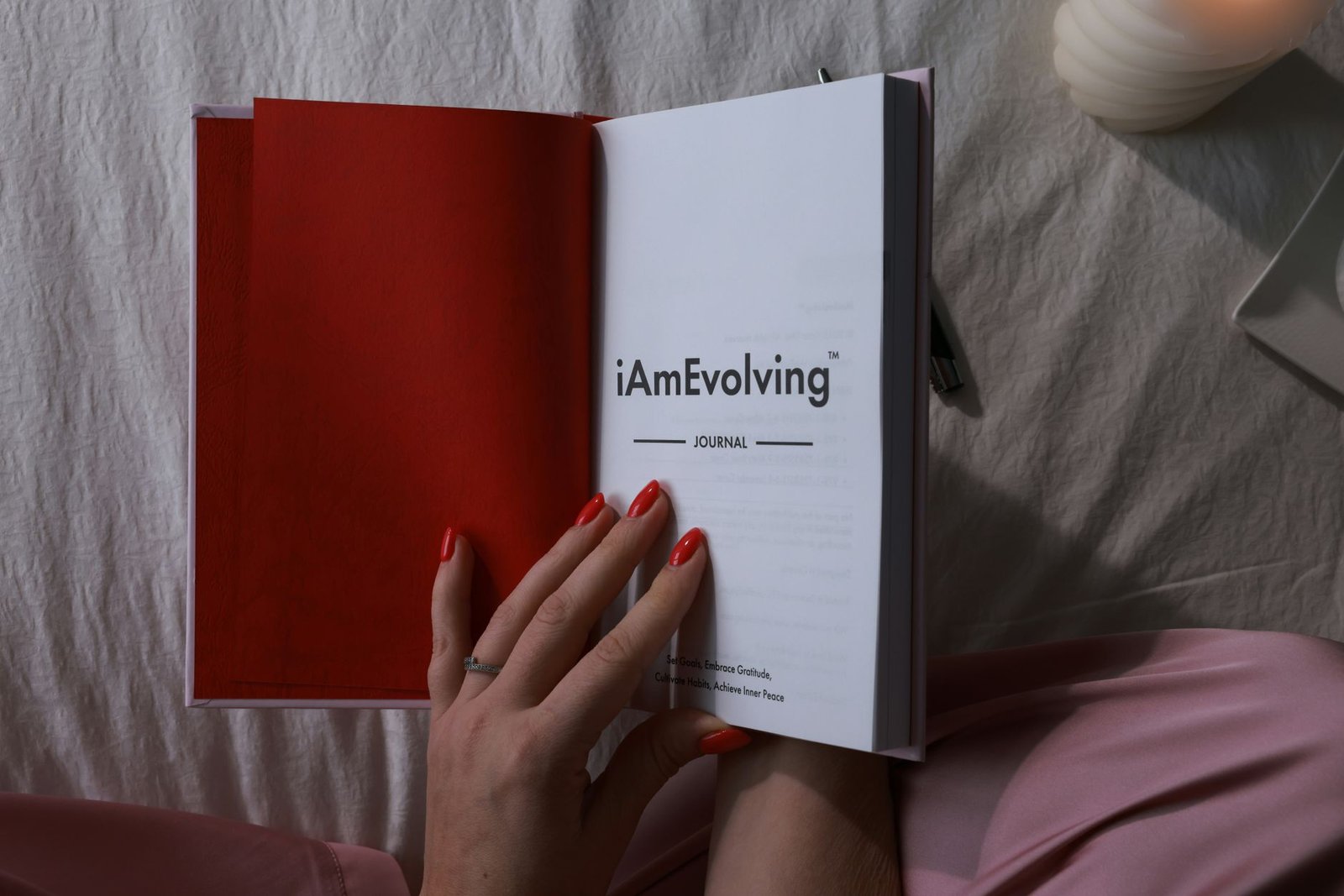
Research from the University of Texas at Austin found that expressive writing, particularly when guided by specific prompts, helps people make sense of emotional experiences and reduces stress. The structure matters because it keeps you from spiraling or getting lost in vague reflections. You're not just venting. You're investigating.
The best prompts make you pause before answering. If you can fire off a response in three seconds, it's probably not digging deep enough. You want that slight discomfort, that moment where you think "huh, I've never actually considered that before."
💡 Pro Tip: Set a timer for 10 minutes when you start a prompt. The time pressure stops you from overthinking and lets your subconscious speak. You'll be surprised what surfaces when you can't pause to censor yourself.
Core Prompts for Understanding Your Present Self
Start with where you are right now. Not where you wish you were or where you used to be. Self-discovery requires honesty about your current reality, and these prompts help you establish that baseline.
What am I pretending not to know? This one cuts through denial faster than anything else. We all carry awareness we're actively ignoring because facing it would require change. Maybe it's about a relationship that's run its course, a career that doesn't fit anymore, or a habit that's holding you back. Write what comes up without editing.
When do I feel most like myself? This reveals your authentic state. For some people, it's while cooking. For others, it's solving problems at work or hiking alone. The activities that make you feel most alive point toward your core values and natural strengths.
What would I do if I knew no one would judge me? Social conditioning shapes so much of our behavior that we often don't know which desires are truly ours. This prompt creates permission to explore what you want independent of others' expectations.
What patterns keep repeating in my life? Same type of conflict with different people? Same self-sabotage right before success? Patterns are your subconscious trying to get your attention. Naming them is the first step to changing them.
These aren't one-and-done questions. Your answers will shift as you grow. Revisit them every few months and notice what's changed.
💡 Pro Tip: Write in second person occasionally. Instead of "I feel overwhelmed," try "You're overwhelmed because..." It creates just enough distance to see yourself more objectively, like a friend would.
Prompts for Exploring Your Past and Future
Understanding yourself means connecting who you were, who you are, and who you're becoming. These prompts help you map that trajectory and identify the throughlines that define your story.
What did I believe at 15 that I still believe now? Your teenage self knew some things before life complicated them. Maybe you believed people should be kind, or that creativity matters, or that adventure is essential. Core values often announce themselves early. What's stuck with you?
What hard thing am I grateful for? This reframes difficulty as growth. The job you hated that taught you what you don't want. The relationship that ended but showed you your worth. The failure that redirected you toward something better. Mining your past for these moments builds resilience and perspective.
If I could tell my younger self one thing, what would it be? This reveals both what you've learned and what you're still healing from. It's also a compassion practice. You're extending understanding backward, which often helps you extend it to yourself in the present.
What does my ideal day look like five years from now? Be specific. What time do you wake up? What work are you doing? Who's with you? Where are you living? Detailed visualization of your future helps your brain start recognizing opportunities that align with that vision.
What am I ready to let go of? Growth requires release. Old identities, grudges, habits, beliefs about what you're capable of. Write what needs to stay in the past so you can move forward lighter.
Making Journaling a Sustainable Practice
The most brilliant prompts in the world don't matter if you never actually sit down to answer them. Building a sustainable journaling practice means removing friction and working with your real life, not an idealized version of it.
Forget daily journaling if it doesn't fit your rhythm. Three times a week is enough. Even once a week beats zero. Consistency matters more than frequency. Pick a time when you're naturally reflective. For many people, that's morning with coffee or evening after things quiet down.
Keep your journal and a pen somewhere visible. If it's buried in a drawer, you'll forget about it. Visible cues trigger habits. Some people journal in a beautiful notebook, others use a Google doc or voice memos. The medium doesn't matter. What matters is that you actually use it.
Don't reread immediately. Let your entries sit for a week or a month before going back. Fresh eyes spot patterns and growth you can't see in the moment. That distance turns random thoughts into data about who you are.
One warning: journaling can become rumination if you're not careful. If you find yourself writing the same complaints without any new insight, change the prompt. Ask yourself different questions. The goal is discovery and movement, not rehearsing the same story until it hardens into permanent truth.
Conclusion
Self-discovery through journaling isn't a mystical process. It's practical excavation work. You're asking yourself good questions and paying attention to the answers. Over time, those answers form a map of who you are, what drives you, and where you want to go. The prompts we've covered here give you starting points, but the real work happens when you sit down and write honestly about what you find.
You don't need to have everything figured out before you start. That's the whole point of the practice. Journaling creates clarity over time through accumulated insights. Some days will feel profound, others will feel like you're just going through the motions. Both are valuable. You're building a relationship with yourself, and like any relationship, it requires regular attention and genuine curiosity. Start with one prompt this week. See what surfaces. The most interesting thing about self-discovery is that there's always more to find.
FAQs
How long should I spend on each journaling prompt?
Aim for 10-15 minutes per prompt. That's enough time to move past surface thoughts without making it feel like homework. Some prompts will grab you and you'll write for 30 minutes. Others you'll struggle to fill 10. Both responses are informative. The struggle itself tells you something.
What if I don't know how to answer a prompt?
Start with "I don't know" and keep writing. Explain why you don't know, what makes it hard to answer, or what you wish the answer was. Often the resistance to a question is more revealing than a quick answer would be. You're not looking for perfect responses, you're exploring your inner landscape.
Should I share my journal entries with anyone?
Generally, no. Your journal works best as a completely private space where you can be brutally honest without worrying about how it sounds. That said, some people find value in sharing specific insights with a therapist or trusted friend. Just keep the raw, unfiltered writing for your eyes only.
Is it better to journal by hand or digitally?
Research from Princeton University suggests handwriting engages your brain differently than typing, potentially leading to deeper processing. But if digital is the only way you'll actually do it, that's infinitely better than a beautiful unused notebook. Choose the method that removes the most barriers to starting.
How do I know if journaling is actually helping me?
Look for increased clarity in decision-making, recognition of patterns you couldn't see before, or a growing sense of what you actually want versus what you think you should want. You might also notice you're less reactive in tough situations because you've already processed similar feelings on paper. The benefits accumulate slowly, so give it at least a month before evaluating.