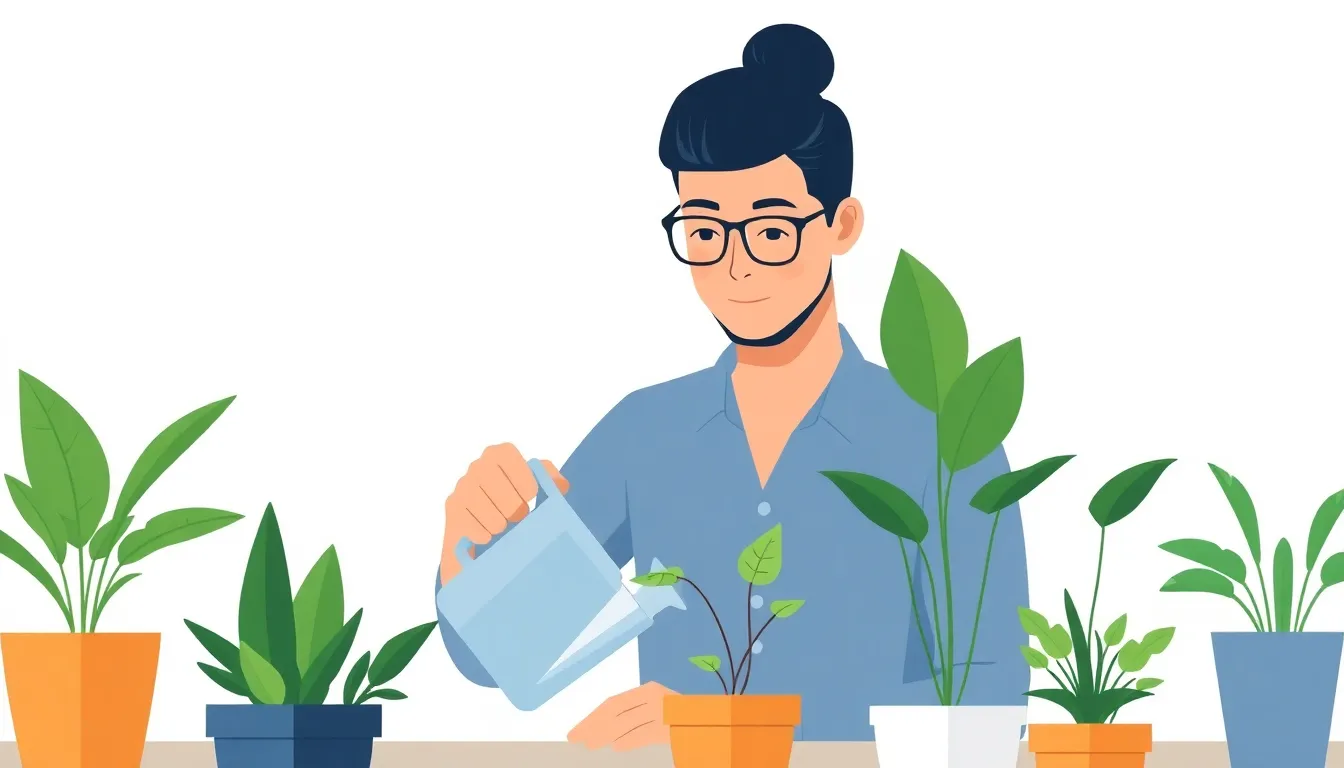
Houseplants That Are Impossible to Kill
Let's be honest - not everyone has a green thumb. Some of us have killed every plant we've ever brought home, sometimes within weeks. But here's the thing: that might say more about the plants you're choosing than it does about you. Some plants are just built to survive neglect, low light, inconsistent watering, and basically everything we accidentally do wrong. These aren't rare or exotic species that require special treatment. They're the tough survivors that actually want to stick around even when you forget about them for a month. If you've given up on houseplants because nothing seems to work, it's time to reconsider. The right plant can turn that frustration around completely.
The Snake Plant - Your Indestructible Friend
The snake plant, also called Sansevieria, is probably the closest thing to a plant that refuses to die. This one tolerates low light, irregular watering, and dry indoor air without complaining. It's a succulent, which means it stores water in its leaves, so it actually prefers to dry out between waterings. Overwatering? That's the main way people manage to hurt this plant. It'll sit in a corner for months without much care and still look fine.
What makes the snake plant special is that it doesn't need anything fancy. No special humidity, no bright sunny windowsill requirement, no weekly watering schedule. Water it when you remember, stick it anywhere with at least some indirect light, and it grows slowly upward with those characteristic striped leaves. It even produces small white flowers sometimes if you're patient enough. The snake plant also works as an air purifier, pulling toxins out of the air while asking for almost nothing in return. For beginners or people with a track record of plant casualties, this is genuinely your starting point.
💡
Pro-Tip: If you're constantly watering your plants, stop. Let the soil dry out completely before watering again. Most houseplant deaths happen from too much water, not too little. Your instinct to care is actually the enemy here.
Pothos - The Climbing Vine That Thrives Anywhere
Pothos vines might be the easiest climbing plant on the market. They grow long, heart-shaped leaves on trailing vines, and they'll climb, cascade, or spread across whatever surface you give them. The real magic is that pothos grows in virtually any light condition. You can put it in a dimly lit corner or on a bright shelf, and it adapts. Watering is simple too - just water when the soil feels dry, and it'll be fine.
What people love about pothos is that you can actually see results pretty fast. Within a few weeks, you'll notice new growth and vines getting longer. It's encouraging compared to some plants that barely move for months. You can trim it back if it gets too wild, and those trimmings root incredibly easily in water if you want to propagate more plants. This thing almost looks like you're doing something right because it grows so visibly. It's the kind of plant that makes people think maybe they don't have a completely brown thumb after all. Some varieties have gorgeous variegated leaves with white or yellow patterns, adding visual interest without requiring any extra care.
ZZ Plants - Low Maintenance, High Payoff
The ZZ plant is another survivor in the houseplant world. It has glossy, feathery leaves that look elegant, honestly - like something you'd expect to see in a designer's office. But looks aside, this plant is nearly bulletproof. It grows slowly, which means you're not constantly repotting or dealing with an overgrown mess. It tolerates low light better than most plants, though it grows faster under brighter conditions. Water it once every two to three weeks or whenever the soil is completely dry.
The best part about the ZZ plant is that it actually looks good at any size. Whether it's small or large, mature or young, it maintains a neat, attractive appearance. It won't suddenly sprawl everywhere or look scraggly if you forget to water it for a while. It also works well for offices or places where consistency might be tough - like if you travel for work and your plant sits alone for weeks. The ZZ plant just waits patiently for you to come back and water it.
💡
Pro-Tip: These plants actually prefer neglect to fussing. The moment you start checking on them constantly or adjusting them every other day, you're doing too much. Set it and forget it - that's the real winning strategy.
Philodendrons and Other Low-Stress Plants
Philodendrons are related to pothos and share a lot of the same qualities - easy to grow, adaptable to different light levels, forgiving with watering. They come in several varieties, from heart-leaf philodendrons to larger split-leaf types. All of them are genuinely low-maintenance and reliable. Spider plants are another classic for a reason. They grow quickly, develop little baby plantlets that you can separate and propagate, and they tolerate everything from low light to bright windows. Peace lilies are also surprisingly hardy, though they'll actually tell you when they're thirsty by drooping - which is kind of helpful feedback.
The common thread with all these plants is that they don't need you to be perfect. They accommodate imperfection. You can miss a watering or two, forget about them for a while, or put them in a spot that isn't ideal, and they still survive. That's what makes them truly impossible to kill - they're forgiving enough for real life, not just for people who treat plant care like a part-time job. They also come in different sizes and looks, so you can find something that fits your space and style without compromising on durability.
Conclusion
The truth is, you probably don't have a brown thumb. You just might have been choosing plants that needed more than you could give them consistently. Killing a plant doesn't make you a bad person or even a bad plant parent - it usually just means you picked something that wanted something different from what your home could offer. The moment you switch to genuinely tough plants like snake plants, pothos, ZZ plants, and philodendrons, everything changes. Suddenly you're not fighting an uphill battle. You're actually succeeding because the plants are built to succeed even when you're not thinking about them every day.
What I've learned the hard way is that the best houseplant is the one you'll actually keep alive, which means starting with something forgiving. There's zero shame in that. Build confidence with these impossible-to-kill varieties, and once you understand what plants actually need, you can branch out to more demanding species if you want. For now, go grab a snake plant or pothos and watch what happens when you stop trying so hard.
Frequently Asked Questions
What is the absolute easiest houseplant to keep alive?
The snake plant takes the crown here. It tolerates neglect, low light, irregular watering, and dry air without complaint. If you water it monthly and stick it anywhere that isn't a dark closet, it'll probably outlive your interest in houseplants.
How often should I water impossible-to-kill houseplants?
Most of these tough plants prefer to dry out between waterings. Generally, water when the soil feels dry to the touch - usually once every two to three weeks, depending on your home's temperature and humidity. It's better to underwater than overwater with these varieties.
Can low-light houseplants survive in a dim office with no windows?
Most of them will tolerate it temporarily, but they'll grow much slower. Snake plants and pothos are your best bets for low-light spaces, though they'll still perform better with at least some indirect light. If your office is completely windowless, you might need a simple grow light to help them survive long-term.
Are these plants safe for pets and kids?
Most on this list are non-toxic, but check individual varieties. Snake plants and philodendrons can cause mild stomach upset if ingested, so they're worth keeping out of reach of curious pets or very small children. Pothos and ZZ plants should also be kept away from pets if possible.
Do impossible-to-kill houseplants need fertilizer?
They appreciate occasional fertilizer during their growing season (spring and summer), but it's not required for survival. A light feeding once every month or two is enough. You can skip it entirely and they'll still live - they'll just grow slower. Don't overthink it.