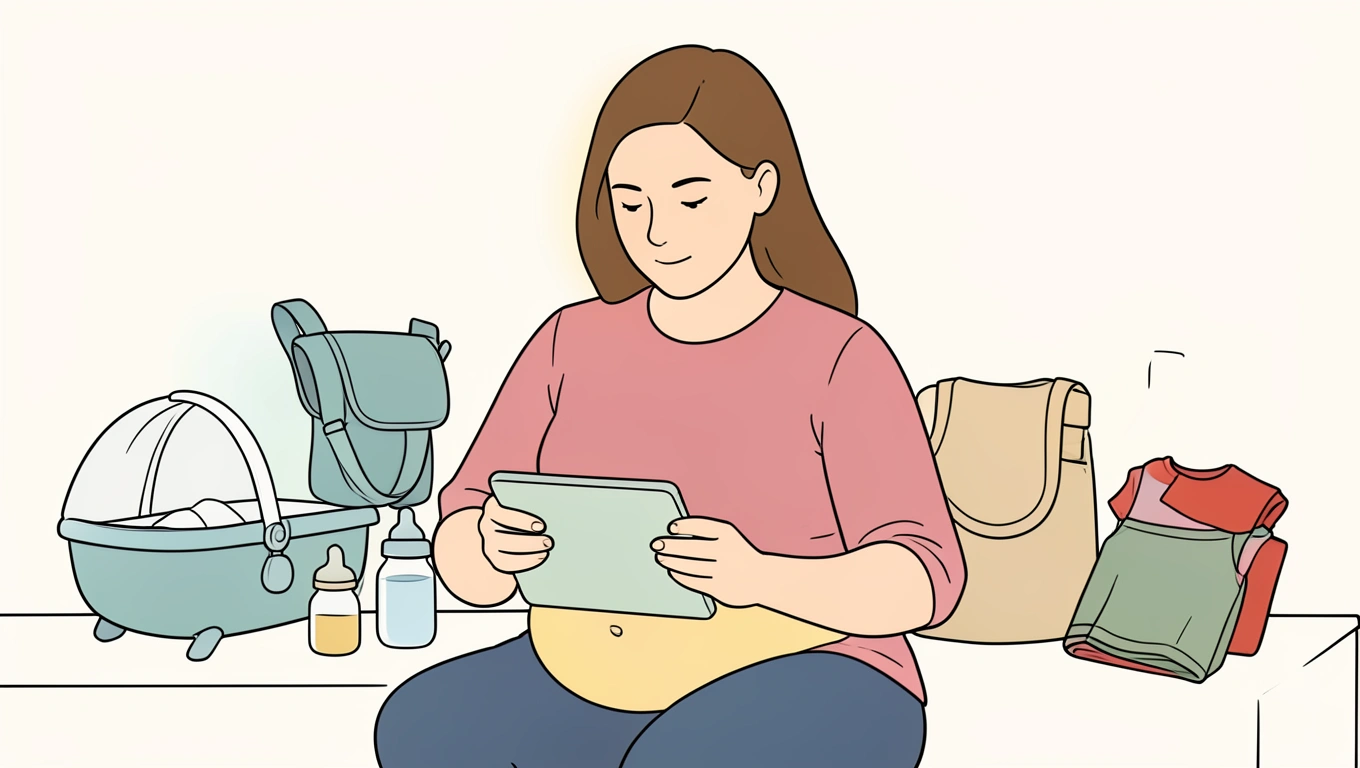
Creating a gift list for your baby feels exciting at first, then overwhelming the moment you realize just how many products exist for a tiny human who will mostly sleep and eat for the first few months. Friends tell you to register for everything, strangers on the internet insist certain items are essential, and suddenly you're paralyzed by choices. The good news is that building a thoughtful, practical registry doesn't require guessing what you'll actually use or loading up on gadgets that will gather dust. What it does require is some strategic thinking about timing, variety, and real needs. When you approach your gift list with a clear plan, you give your community a genuine way to support you while ensuring you get the items that will actually make those early weeks easier.
When to Start and How Much to Include
Timing matters more than most expecting parents realize. Starting your registry between weeks 16 and 24 of pregnancy gives you breathing room to research products, read reviews, and avoid the last-minute panic that leads to random choices. You can technically create a registry anytime, but those middle months of pregnancy offer the sweet spot where you have energy to think clearly and enough time before baby showers or due dates to make thoughtful decisions.
The question of how many items to add stumps almost everyone. Aim for 80 to 120 items on your registry, spread across different categories like feeding, diapering, sleep, travel, and health. This range sounds like a lot until you realize how many categories you need to cover. A dozen bottles, multiple sizes of diapers, sheets for the crib, a car seat, a stroller, health items like a thermometer and nail clippers, and suddenly those 80 items feel reasonable rather than excessive.

Price variety is just as important as quantity. Include items at different price points so everyone from your college roommate to your generous aunt can find something that fits their budget. Mix in $10 items like burp cloths or board books alongside bigger-ticket needs like a crib or car seat. This approach makes your registry accessible and useful for the full range of people who want to celebrate your growing family.
💡 Pro Tip: Set a calendar reminder to update your registry every two weeks after you share it. Remove purchased items and add anything you realize you forgot. This keeps gift-givers from accidentally buying duplicates and ensures you're not left scrambling for basics after the baby arrives.
Choosing the Right Platform for Your Needs
Where you create your registry shapes the entire experience for you and your gift-givers. Babylist stands out as a universal registry platform that lets you add products from any store, not just a single retailer's inventory. This flexibility means you can include that specific bassinet from a boutique shop, diapers from Target, and a baby carrier from a specialty brand all on one list. When you create a Babylist registry, you receive a free Hello Baby Box with samples and coupons, plus a 15 percent completion discount on remaining items up to 90 days after your baby arrives. Returns stay flexible too, with unused items returnable within nine months of purchase.
Amazon offers another solid option with its baby registry system designed for easy creation and customization. Through the app's Gifting and Registry section, you can build your list and access a welcome box for new registrants that typically includes essentials like onesies, diapers, wipes, and bottles. The completion discount helps you purchase anything left on your list after your shower or before the baby arrives. The advantage here is familiarity - most people already shop on Amazon and know how to navigate the platform, which removes friction for your gift-givers.
The platform question often comes down to convenience versus variety. If most items you want come from one major retailer and you value simplicity, a single-store registry works fine. But if you've researched specific products across multiple stores or want the freedom to add anything from anywhere, a universal platform saves you from managing multiple lists and confusing your guests about where to shop.
💡 Pro Tip: Before committing to a registry platform, ask three friends who recently had babies which platform their gift-givers found easiest to use. The slickest interface means nothing if half your guests get confused trying to mark items as purchased or struggle with checkout.
Prioritizing Practical Items Over Trendy Gadgets
The baby product industry excels at convincing new parents they need specialized equipment for every conceivable situation. You'll see wipe warmers, diaper genies with proprietary refills, elaborate bottle sterilizers, and contraptions that promise to solve problems you didn't know existed. Meanwhile, the items you'll actually use daily are far more boring: plenty of burp cloths, a reliable diaper bag, extra crib sheets for inevitable middle-of-the-night changes, and enough onesies in various sizes to handle the reality that babies grow fast and spit up often.
Focus your registry on practical, everyday items rather than accumulating numerous gadgets. A good quality baby carrier or wrap will get used hundreds of times. A play mat provides entertainment and development opportunities for months. Multiple swaddles become your best friend during those early weeks when sleep feels impossible. These unglamorous essentials deliver far more value than the latest trending nursery decoration or a high-tech gadget that works for one very specific scenario.
That said, don't feel guilty about including a few items that bring you joy even if they're not strictly necessary. If a beautiful mobile makes you smile every time you walk into the nursery, that emotional boost matters during exhausting newborn days. The key is building a foundation of practical items first, then adding those special touches that reflect your style and preferences. Think 80 percent practical, 20 percent personal, and you'll end up with a registry that actually serves your family rather than cluttering your home.
Understanding Registry Perks and Completion Discounts
Most major registry platforms offer incentives that expecting parents often overlook or misunderstand. Welcome boxes provide a low-risk way to try sample products before committing to full-size versions. These boxes typically include different brands of bottles, diaper samples, wipes, and sometimes skincare products or small toys. The value extends beyond the free products - you get to test what works for your baby without spending money on full packages of items they might reject.
Completion discounts deserve strategic planning. These discounts, usually ranging from 10 to 15 percent off, apply to remaining registry items for a limited window around your due date. The smart move is to wait until after your baby shower to use this discount, so you can see what you actually received and what gaps remain. Then you can purchase those overlooked essentials or upgrade quantities of items you know you'll need more of, like diapers in the next size up or additional bottles if you're planning to pump.
Return policies matter more than most people think when choosing a registry platform. Babies are unpredictable - the bottles everyone swears by might cause gas for your particular baby, or the sleep sack you thought was perfect could run too small for your longer infant. Extended return windows and flexible policies give you room to adjust as you learn what actually works for your family. Check the specific terms before committing to a platform, because these policies vary significantly and can make the difference between being stuck with products you can't use or being able to exchange them for something that fits your needs.
Conclusion
Building a baby gift list works best when you treat it as a practical planning tool rather than a wish list or a source of stress. Start in that middle trimester sweet spot, aim for 80 to 120 items across various price points, and choose a platform that balances convenience for your gift-givers with flexibility for your specific needs. The most successful registries emphasize boring, practical essentials over trendy gadgets, with just enough personal touches to make the nursery feel like yours. Take advantage of welcome boxes to test products before committing, and save your completion discount for after you see what you actually received at showers. Update your list regularly, remove duplicates quickly, and remember that no registry is perfect - you'll inevitably need something you didn't think to add and receive duplicates of others. The goal is to make those early weeks easier by having the basics covered, not to anticipate every possible scenario. When friends and family ask what you need, a thoughtful registry gives them a concrete answer while giving you the practical support that matters most.
FAQs
Should I register for newborn clothes or start with larger sizes?
Register for a mix, but lean toward 3-6 month sizes. Many babies outgrow newborn clothes within two weeks, and you'll likely receive plenty of tiny outfits as gifts even without registering for them. Focus your registry on 3-6 month and 6-12 month clothing, especially for seasonal items that need to fit when the weather matches. Include sleepers, onesies, and pants in these larger sizes rather than fancy outfits that won't get much wear.
How do I handle duplicate items if multiple people buy the same thing?
Keep all receipts and gift receipts in a dedicated folder or envelope, and don't remove tags until you're certain you'll use the item. Most registry platforms mark items as purchased automatically, but system glitches happen or people shop in-store without updating the online registry. If you receive duplicates of essentials like bottles or swaddles, consider keeping them if they're items you'll use frequently. For duplicates of bigger items, return one using the gift receipt and put the credit toward something you still need.
Is it rude to include expensive items like a crib or stroller on my registry?
Not at all - many registries include group gifting options where multiple people can chip in toward a larger purchase. Grandparents or close family members often want to contribute to bigger-ticket items, and having them on your registry signals what you actually need rather than leaving them to guess. Just make sure your registry also includes plenty of smaller, affordable items so everyone can participate at their comfort level.
What items do most first-time parents forget to add?
Nail clippers specifically designed for babies, a good diaper bag with multiple compartments, waterproof mattress protectors in multiple sizes, outlet covers and basic baby-proofing supplies, and a simple baby first-aid kit with a thermometer and saline drops top the list. Most parents also underestimate how many burp cloths, washcloths, and receiving blankets they'll actually need - register for more than seems reasonable because you'll use them constantly.
When should I finalize my registry before sharing it with guests?
Have your registry substantially complete at least four weeks before your first baby shower. This gives early shoppers time to browse and purchase while still leaving you room for adjustments based on feedback or new research. That said, registries aren't set in stone - you can and should continue updating based on what gets purchased and what you realize you need. Just communicate any major changes to the host of your shower so they can share updated information with guests who ask.