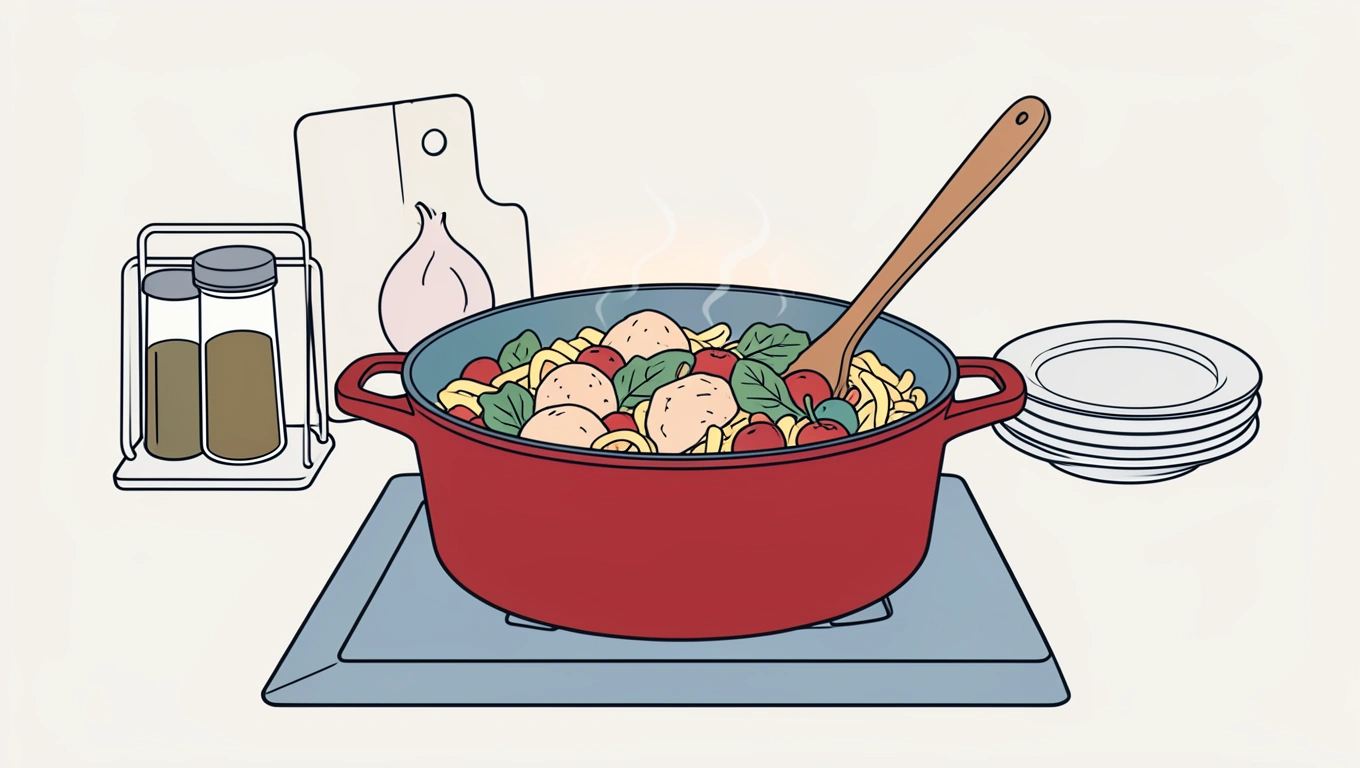
After a long day at work, the last thing you want is a sink full of dirty dishes and an hour spent hovering over a hot stove. One-pot dinners solve both problems at once. They're fast, flexible, and forgiving - toss ingredients into a single vessel, let heat and time do the work, and sit down to a real meal without the cleanup marathon. This approach isn't new; one-pot cooking dates back to Medieval Europe, where families kept a cast-iron pot simmering over the hearth all day, adding whatever they had on hand. Today's version is just as practical, whether you're feeding a family of four on a Tuesday night or meal-prepping for the week ahead. The beauty is in the simplicity - fewer pans, deeper flavors, and more time to actually enjoy dinner.
Why One-Pot Meals Work So Well for Busy Schedules
The math is straightforward. One pot means one round of cleanup. But the real advantage runs deeper than saved scrubbing time. When everything cooks together, flavors meld in ways they can't when you're juggling three burners and a baking sheet. The chicken stock simmers into the rice, the tomatoes break down into the beans, and the garlic infuses everything it touches. You end up with a dish that tastes like it took effort, even when it didn't.
One-pot dinners also cut down on decision fatigue. You're not orchestrating timing across multiple components or wondering whether the pasta will be ready before the sauce burns. You add ingredients in stages, set a timer, and let the pot handle the rest. This makes weeknight cooking less stressful, especially when you're balancing work calls, homework help, and the mental load of keeping a household running.
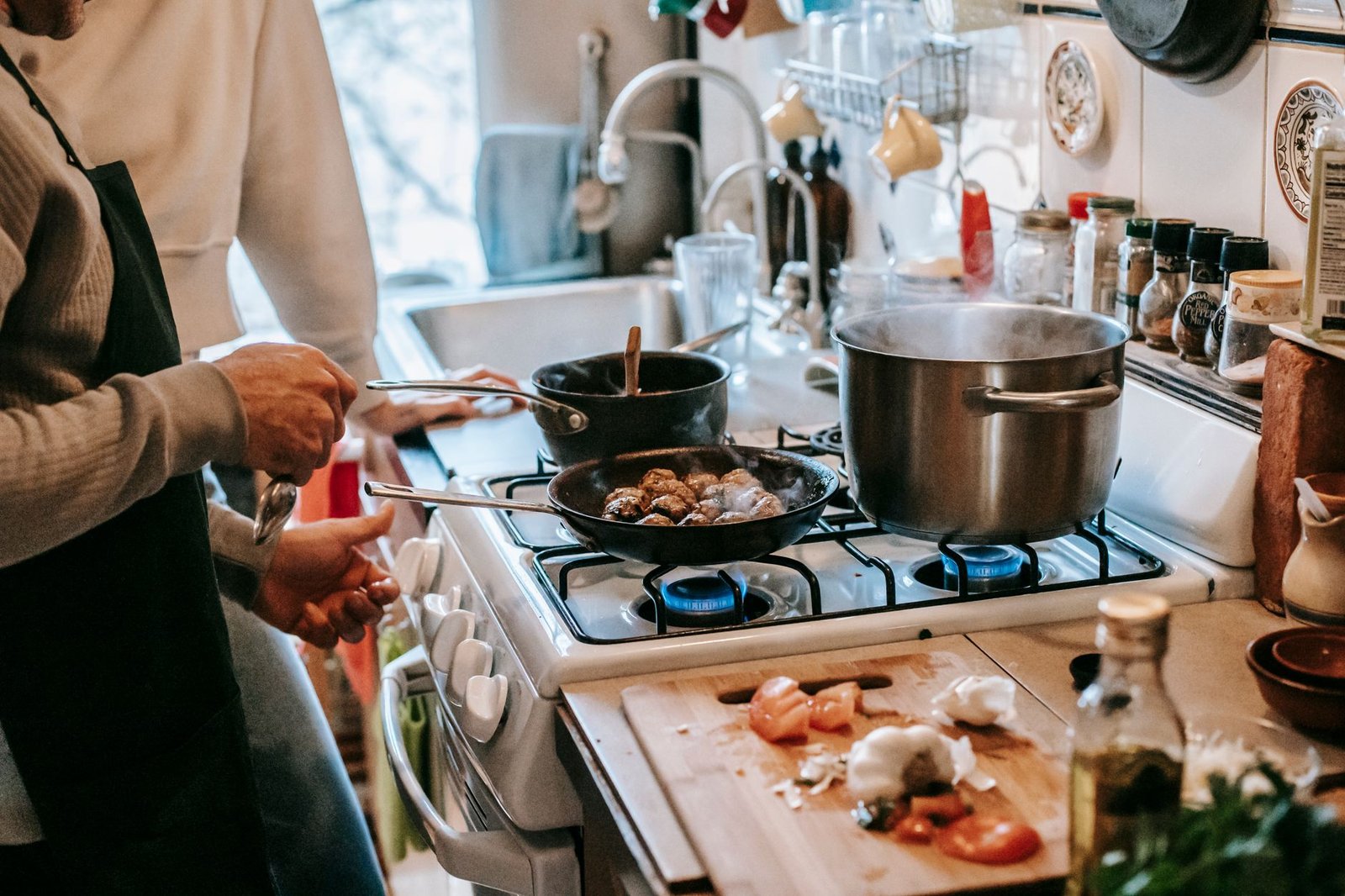
From a nutrition standpoint, these meals make it easier to pack in vegetables and whole grains without thinking too hard about it. Toss in spinach, kale, or bell peppers alongside your protein and starch, and you've built a balanced plate with minimal planning. Kids benefit too - exposure to different foods in a single, cohesive dish can help reduce picky eating over time, since everything shares the same flavor base.
💡 Pro Tip: Keep a running list on your phone of what's in your pantry - canned beans, rice, pasta, broth. When you're stuck for dinner ideas at 5 p.m., you can build a one-pot meal from what you already have instead of ordering takeout or making an emergency grocery run.
Essential Pantry Staples and Equipment
You don't need a specialized kitchen to make one-pot dinners work. A Dutch oven or a deep sauté pan with a lid covers most recipes, from stovetop braises to oven-finished bakes. If you have an Instant Pot or slow cooker, even better - those excel at hands-off cooking. Sheet pan dinners count too, especially when you're roasting vegetables and protein together on a single tray.
Stock your pantry with ingredients that store well and build flavor quickly. Onions, garlic, and canned tomatoes form the base of dozens of dishes. Dried or canned beans add protein and fiber without refrigeration. Quick-cooking grains like rice, quinoa, or couscous turn a pot of vegetables and broth into a full meal in under thirty minutes. A few spices - cumin, smoked paprika, oregano - let you shift the flavor profile from Italian to Mexican to Middle Eastern without buying a cart full of ingredients.
Frozen vegetables are underrated for one-pot cooking. They're already prepped, they keep for months, and they add bulk and nutrition without the chopping. Frozen peas, corn, and spinach all work beautifully stirred into rice dishes, pastas, or soups during the last few minutes of cooking. Same goes for pre-cooked rotisserie chicken or canned tuna - proteins that skip the raw-to-cooked step and cut your active cooking time in half.
💡 Pro Tip: If your one-pot meal seems dry halfway through cooking, don't dump in a bunch of water at once. Add a quarter cup of broth or even plain water, stir, and wait two minutes. Liquid absorbs faster than you think, and you can always add more - but you can't take it back once the dish turns soupy.
Building Flavor Without Extra Steps
The trick to a memorable one-pot dinner isn't complexity - it's layering. Start by sautéing aromatics like onions, garlic, or ginger in a bit of oil. This creates a flavor foundation that carries through the entire dish. Then add spices and toast them for thirty seconds until they smell fragrant. That brief contact with heat wakes up the oils in dried spices and makes them taste more vibrant.
Next, brown your protein if you're using meat or firm tofu. You're not cooking it through - just developing color on the outside, which adds depth. Deglaze the pan with a splash of wine, broth, or even water, scraping up the browned bits stuck to the bottom. Those bits are pure flavor, and they dissolve into your sauce as everything simmers.
From there, add your liquid and slower-cooking ingredients - potatoes, carrots, dried pasta, or grains. Let them simmer until tender, then stir in quicker-cooking items like leafy greens, fresh herbs, or frozen vegetables in the final minutes. Finish with a squeeze of lemon juice, a drizzle of good olive oil, or a handful of grated cheese. These last-minute additions brighten the dish and give it a just-cooked freshness, even though most of the work happened unattended on the stove.
Adapting Recipes to What You Have
One-pot cooking is forgiving by design. Most recipes are templates, not rigid instructions. If a recipe calls for chicken thighs and you only have breasts, swap them in and adjust the cooking time. If it lists kale and you have spinach, use that instead. The structure stays the same - aromatics, protein, liquid, starch, vegetables - but the specifics can shift based on what's in your fridge or what's on sale.
This flexibility makes one-pot meals ideal for using up odds and ends. That half-can of diced tomatoes, the quarter cup of frozen corn, the handful of parsley wilting in the crisper - all of it can go into the pot. You're not following a recipe so much as applying a method, which means you're less likely to waste food and more likely to cook from what you already own.
Scaling is simple too. Most one-pot recipes double or halve cleanly. If you're cooking for one, make the full batch and freeze half in individual portions. If you're feeding a crowd, use a bigger pot and increase the ingredients proportionally, keeping the liquid ratio consistent. The cooking time might stretch a bit with larger volumes, but the process stays the same.
Conclusion
One-pot dinners aren't about shortcuts that sacrifice quality - they're about working smarter. The history is long, the science is sound, and the results speak for themselves: meals that taste layered and intentional, with half the effort and a fraction of the cleanup. You don't need special equipment, exotic ingredients, or advanced technique. You need a decent pot, a handful of pantry staples, and the willingness to let ingredients cook together instead of managing them separately.
The real win is what happens after dinner. You sit down to eat without dreading the kitchen waiting for you afterward. You have time to talk, help with homework, or just breathe for a few minutes before the evening routine kicks in. That shift - from cooking as a chore to cooking as something manageable - makes a difference in how you approach weeknights. Start with one familiar recipe this week, then build from there. Once you see how much easier it is, you'll wonder why you ever bothered with five pans for a single meal.
FAQs
Can you make one-pot dinners ahead of time?
Absolutely. Many one-pot meals - stews, chilis, curries - taste better the next day as flavors continue to develop. Cook the dish fully, let it cool, then refrigerate in an airtight container for up to four days or freeze for up to three months. Reheat on the stove with a splash of broth or water to loosen it up. Pasta-based one-pot meals can get mushy if stored too long, so those are best eaten fresh or reheated within a day.
What's the best pot size for a family of four?
A five- to seven-quart Dutch oven or deep sauté pan works well for most family-sized one-pot dinners. It's large enough to hold a pound of protein, several cups of vegetables, and enough liquid or grain to feed four people without crowding the pot. If you regularly cook for more people or like to batch-cook, go up to an eight-quart pot. For singles or couples, a three- to four-quart pot is plenty.
Do one-pot meals work on an induction cooktop?
Yes, as long as your pot is induction-compatible, meaning it has a magnetic base. Cast iron, enameled cast iron, and most stainless steel pots work perfectly. The main difference is heat control - induction responds faster than gas or electric, so you may need to lower your heat setting slightly to avoid scorching. The actual cooking process and timing stay the same.
How do you prevent the bottom from burning?
Use medium or medium-low heat for most of the cooking time, especially once you've added liquid and grains. Stir occasionally - not constantly - to redistribute ingredients and prevent sticking. Make sure there's enough liquid for the starch you're using; rice and pasta absorb more than you think. If the bottom starts to stick, lower the heat immediately, add a small amount of liquid, and stir gently to release any stuck bits without scraping them into the dish.
Can you cook meat and vegetables together without overcooking one or the other?
Yes, with the right timing. Add harder vegetables like potatoes, carrots, or butternut squash at the same time as your meat, since they take longer to cook. Save softer vegetables like zucchini, bell peppers, or leafy greens for the last five to ten minutes. If you're using quick-cooking proteins like shrimp or thin chicken cutlets, add them toward the end too. The key is knowing the cook time for each ingredient and staggering them accordingly, not dumping everything in at once.