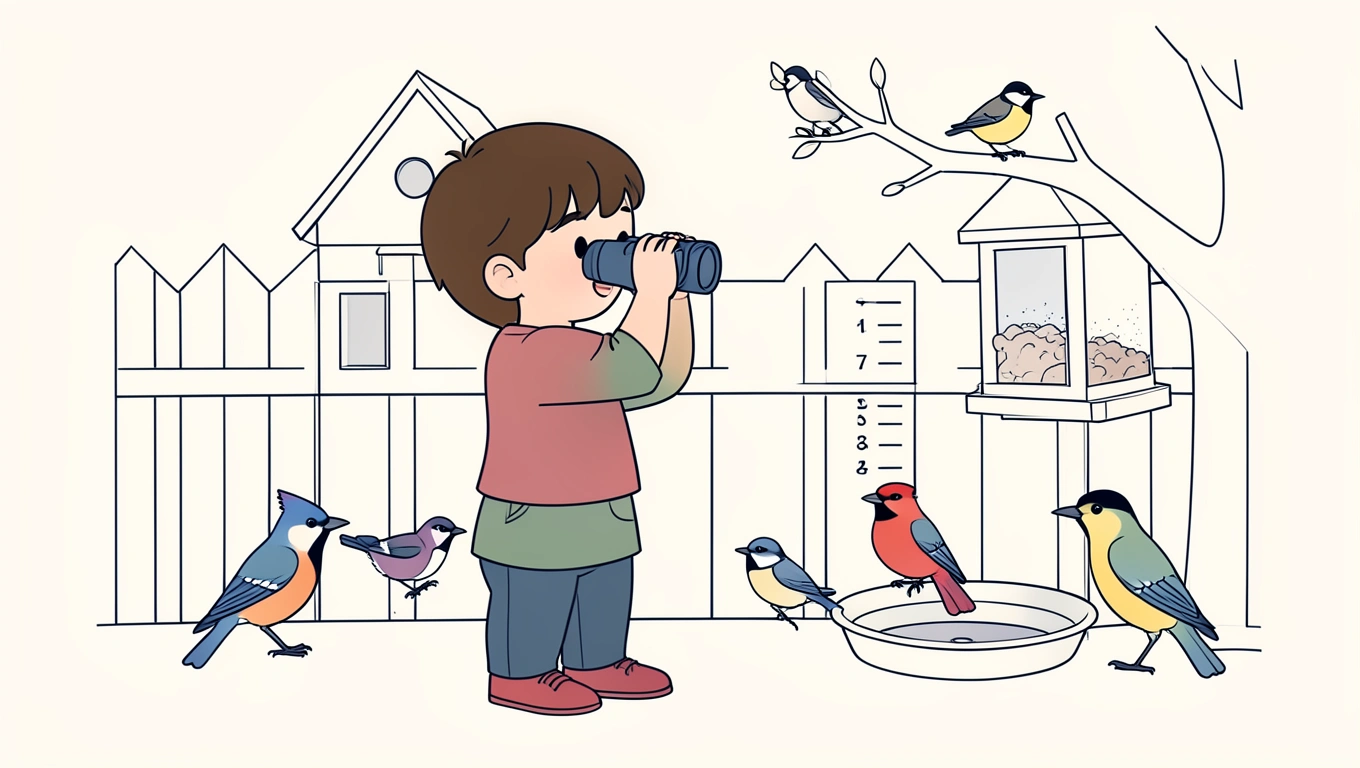
Getting kids excited about nature doesn't require a trip to the zoo or a national park. Your own backyard can become an incredible wildlife classroom, especially when it comes to birds. With over 11,000 different types of birds in the world, there's always something new to discover right outside your window. Bird watching teaches children patience, observation skills, and respect for nature while giving them a break from screens. The best part is that you don't need expensive equipment or expert knowledge to get started. A curious mind and a willingness to sit still for a few minutes can open up a whole new world of winged visitors.
Setting Up a Kid-Friendly Bird Watching Station
The first step to turning your backyard into a bird magnet is creating spaces where birds feel safe and want to hang out. Start with a simple bird feeder placed where kids can watch from a window or nearby bench. You can buy a basic tube feeder for around $15 to $20, or make one from a clean milk jug with holes cut in the sides. Fill it with black oil sunflower seeds, which attract the widest variety of birds.
Location matters more than you might think. Place feeders about 10 to 15 feet from trees or shrubs so birds have a quick escape route if they feel threatened, but far enough that squirrels can't easily jump across. Add a shallow birdbath nearby, keeping the water level at about one to two inches deep. Birds need water year-round, not just in summer, and a birdbath will often bring in species that don't visit feeders.
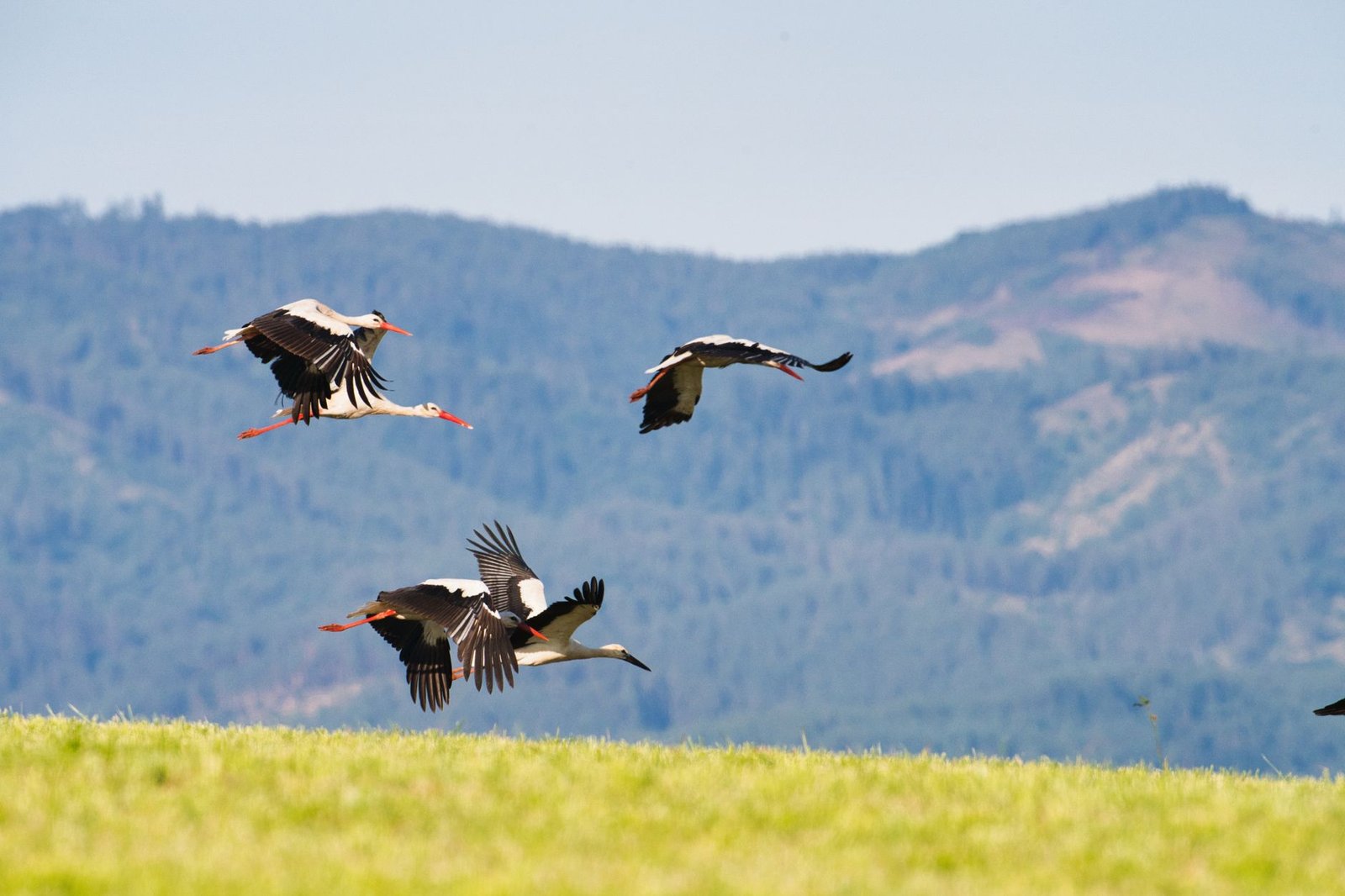
Let your kids help choose where everything goes. When children feel ownership over the setup, they're more likely to maintain interest. Mark the spots together, fill the feeders as a team, and make checking the water level part of their daily routine. This hands-on involvement transforms bird watching from something they observe to something they actively participate in.
💡 Pro Tip: Keep a pair of binoculars on a hook right by the window where you've set up your feeding station. When kids don't have to hunt for equipment, they're 10 times more likely to actually grab them when a bird shows up. We learned this after our first week when the binoculars stayed buried in a drawer and nobody used them.
Teaching Kids to Identify Common Backyard Birds
You don't need to memorize hundreds of species to make bird watching fun. Start with the five or six birds most common in your area. In many North American backyards, this might include robins, cardinals, blue jays, chickadees, and sparrows. Print out simple identification cards with clear photos and a few key features for each bird.
Focus on three easy identification points: size, color, and one special behavior. For example, Blue Jays can mimic the calls of hawks and other birds, which makes them incredibly fun for kids to listen for. Hummingbirds can flap their wings over 50 times per second, creating that distinctive hovering pattern children love to watch. These memorable facts stick with kids much better than technical details about beak shapes or wingspans.
Create a simple tally chart where kids can mark each time they spot a particular species. This turns identification into a game and helps them notice patterns. They might discover that robins show up early in the morning while cardinals prefer late afternoon visits. Teaching kids about bird identification works best when you make it active and rewarding rather than quiz-like.
Consider starting a backyard bird journal. Let kids draw the birds they see, even if the drawings are rough. Writing down what the bird was doing, what it ate, or what sounds it made helps cement the learning. Over time, you'll build a personalized field guide that means more to your child than any store-bought book.
💡 Pro Tip: Download a free bird call app and play recordings softly near your feeders during slow periods. Birds will often investigate unfamiliar calls in their territory, giving kids a closer look. Just use this sparingly so you don't stress the birds, maybe once or twice a week at most.
Fun Bird Watching Activities That Keep Kids Engaged
Passive observation loses a child's attention fast. You need activities that turn watching into doing. Set up a bird photography challenge using any camera or phone. Challenge kids to capture a bird in flight, a bird eating, or two birds together. These specific goals give them something to work toward and create lasting memories of what they saw.
Build simple bird houses together as a weekend project. You can find basic plans online or buy unfinished birdhouse kits for about $8 to $12. Let kids paint and decorate them before hanging. Different birds prefer different entrance hole sizes, so research which species live in your area and build accordingly. All birds lay eggs, and watching a bird family raise their young from egg to fledgling is an unforgettable experience for children.
Create a bird-themed scavenger hunt. Make a list of things to find: a bird with red feathers, a bird eating seeds, a bird splashing in the bath, a bird singing, a bird's nest. Give kids a specific time window to check off as many as possible. Backyard birding activities work best when they combine observation with movement and friendly competition.
Try bird call mimicry games. Listen to a bird together, then see who can do the best impression. Kids naturally love making silly sounds, and this helps them really pay attention to the unique voice of each species. Some birds, like crows or blue jays, have calls simple enough for children to copy fairly accurately.
Connecting Bird Watching to Broader Learning
Bird watching opens doors to science, math, and even art without kids realizing they're learning. Have them track temperature and weather conditions alongside bird sightings to discover patterns. They might notice certain birds show up before storms or that feeders get busier on cold mornings. This is basic data collection and pattern recognition.
Birds use their feathers to fly, control wind, keep warm, and to show off to attract a mate. This creates natural entry points into discussions about adaptation, survival, and animal behavior. Why do male cardinals have bright red feathers while females are tan? Why do some birds migrate while others stay year-round? These questions lead to real scientific thinking.
Math sneaks in everywhere. Count birds at the feeder. Calculate how quickly seed disappears. Time how long different species stay before flying away. Older kids can create graphs showing which birds visited most often each week or month. Nature activities for kids become richer when you layer in these cross-subject connections.
Art projects naturally follow bird watching. Sketch birds from observation. Create field guide pages with colored pencils. Use natural materials like twigs and grass to build model nests. Take photos and create a backyard bird photo album. These creative outputs give kids something tangible to show for their watching time and help reinforce what they've learned about each species.
Conclusion
Bird watching transforms a backyard into an outdoor classroom without the pressure of formal lessons. Kids develop observation skills that transfer to every part of their lives while building a genuine appreciation for wildlife. The investment is minimal compared to many hobbies, yet the learning opportunities run deep across science, math, patience, and environmental awareness.
What makes backyard bird watching particularly powerful is its accessibility. You don't need special permits, long drives, or perfect weather. Birds show up regardless of season, giving kids year-round opportunities to engage with nature. Start small with one feeder and a simple identification guide, then let your child's curiosity drive where the hobby goes. Some kids will become serious birders tracking rare species, while others simply enjoy the peaceful routine of morning feeder checks. Both outcomes are valuable.
The real gift isn't necessarily creating future ornithologists. It's giving children regular, low-pressure contact with the natural world happening right outside their door. In an age of constant digital stimulation, watching a chickadee crack open a sunflower seed offers a different kind of engagement entirely. That quiet attention, that willingness to wait and see what shows up, builds something screens can't replicate.
FAQs
What is the best time of day for kids to watch birds?
Early morning within two hours of sunrise and late afternoon before sunset are peak feeding times for most backyard birds. However, if your child isn't a morning person, don't force it. Mid-morning still offers plenty of activity, and consistency matters more than perfect timing. Pick a time that fits your family's schedule so bird watching becomes a sustainable routine rather than a chore.
Do we need expensive binoculars for kids to bird watch?
Not at all. Decent kid-friendly binoculars run between $20 and $40 and work perfectly fine for backyard distances. Look for magnification around 7x or 8x, which provides enough zoom without making the view too shaky for young hands to hold steady. Many families start with no binoculars and just watch from closer distances until kids show sustained interest.
How can we attract more variety to our backyard?
Offer different food types in separate feeders. Suet attracts woodpeckers and nuthatches, nyjer seed brings goldfinches, and mealworms appeal to bluebirds. Add native plants that produce berries or seeds, and leave some brush piles for ground-feeding birds. Water sources are crucial since they attract species that might not visit feeders but need drinking and bathing spots.
What should kids do if they find a baby bird on the ground?
Most baby birds on the ground are fledglings learning to fly, and their parents are nearby watching. Unless the bird is injured, in immediate danger from a pet, or clearly abandoned for several hours, the best action is to observe from a distance and leave it alone. If the bird is truly orphaned or hurt, contact a local wildlife rehabilitator rather than attempting care at home.
How do we keep bird watching interesting when kids get bored?
Change up the activities every few weeks. Switch from tallying birds to photography challenges, from identification games to building nest boxes, from quiet observation to creating bird-inspired art projects. Join online bird counting events like the Great Backyard Bird Count, which adds a citizen science element. Sometimes taking a week off and coming back fresh reignites interest better than pushing through boredom.