
Japan's reputation for politeness and precision extends far beyond simple manners - it's woven into every aspect of daily life. For travelers, navigating these unwritten rules can feel like walking through a minefield of potential missteps. A gesture that seems harmless at home might carry profound meaning here, and what you think is friendly behavior could actually cause embarrassment or offense. Understanding these cultural boundaries isn't about memorizing a list of don'ts; it's about showing respect for a society that values harmony, consideration, and social awareness above almost everything else. Getting it right transforms your experience from awkward tourist to welcomed guest.
The Chopstick Taboos That Signal More Than Bad Manners
Chopsticks aren't just eating utensils in Japan - they're loaded with cultural symbolism. The most serious mistake you can make is sticking your chopsticks upright in a bowl of rice. This isn't a minor faux pas; it directly mirrors a Buddhist funeral ritual where rice is offered to the deceased. Imagine sitting down for lunch, stabbing your chopsticks into your rice bowl, and unknowingly recreating a death ceremony at the table. The silence that follows isn't confusion, it's horror.
Passing food directly from your chopsticks to someone else's carries similar weight. This action, called hashi-watashi, resembles another funeral custom where family members pass cremated bones of their loved ones using chopsticks. Instead, place the food on the person's plate or in a shared dish. When you need to take food from a communal plate, flip your chopsticks around and use the clean ends, or better yet, use the serving chopsticks provided.
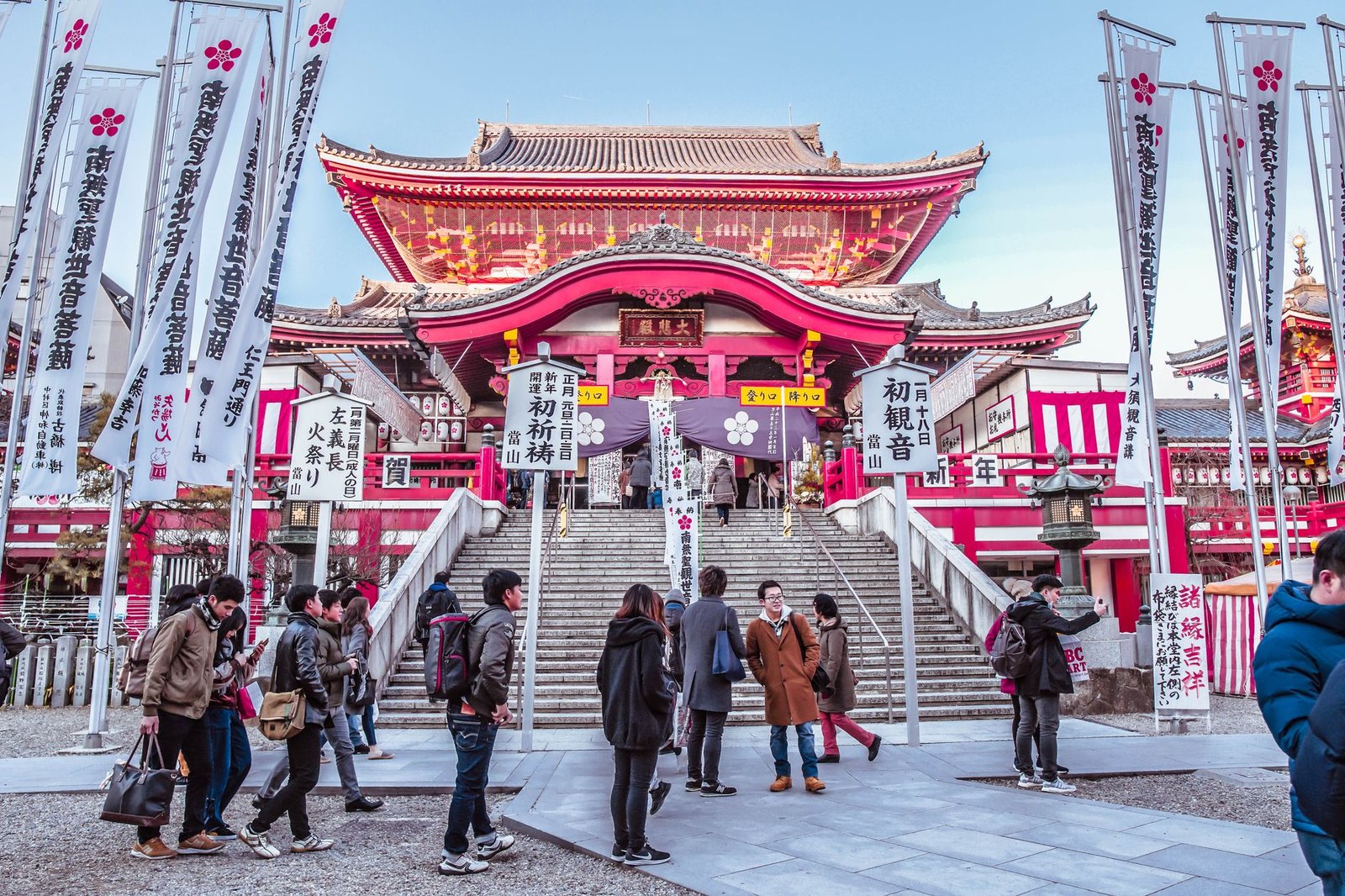
Resting your chopsticks across your bowl or plate is fine, but laying them parallel on the table suggests you've finished eating. If you're mid-meal, use the chopstick rest provided at most restaurants - that small ceramic piece isn't decorative. According to Japan's official travel guide, these small gestures of respect around dining matter deeply in a culture where meals are treated as communal rituals, not just fuel stops.
💡 Pro Tip: If you drop a chopstick on the floor at a restaurant, don't pick it up yourself. Signal to staff quietly and they'll bring you a fresh pair - touching something from the floor and then handling it yourself breaks the cleanliness protocols Japanese restaurants take seriously.
Public Transport Silence Is Sacred, Not Suggested
Step onto a Tokyo train during rush hour and you'll notice something unsettling: hundreds of people packed shoulder-to-shoulder in near-total silence. No one's chatting with friends. Phone conversations don't happen. Even the occasional cough feels intrusive. This isn't coincidence or collective shyness - it's enforced social code.
Taking a phone call on the train ranks among the most disruptive things you can do. If your phone rings, you answer in a whisper to say you'll call back, then immediately hang up. Talking loudly with your travel companions, laughing boisterously, or playing music through headphones that leak sound - all of these violate the unspoken contract of shared space. The concept of meiwaku, or causing inconvenience to others, governs behavior here. Your comfort never trumps the group's peace.
Priority seats deserve special mention. These seats, marked clearly near the doors, are reserved for elderly passengers, pregnant women, people with disabilities, and those with young children. Even if you're exhausted after a 12-hour flight and the train is empty, sitting there signals either ignorance or disrespect. Stand near the doors instead, or take a regular seat farther into the car. When the train fills and someone who needs that seat boards, the entire car notices whether you move - or don't.
💡 Pro Tip: Set your phone to silent mode before entering any train or bus - not vibrate, actual silent. The buzzing sound is nearly as disruptive as a ringtone. Most locals have their phones permanently set this way and check them visually for notifications.
The Shoes-Off Rule Extends Further Than You Think
You probably know to remove your shoes when entering someone's home, but the shoe rules in Japan go much deeper. Traditional restaurants with tatami mat floors require shoe removal at the entrance. Some temples, shrines, changing rooms at clothing stores, certain hotel rooms, and even some modern offices follow this practice. The transition point is usually obvious - look for a step up from the entrance area, a row of cubbies or shelves, or slippers arranged near the door.
Here's where it gets tricky: Japan uses different footwear for different spaces. You remove your outdoor shoes at the entrance and slip into house slippers provided by your host or the establishment. Walk around the main living areas in these. But when you enter the bathroom, you switch again - into dedicated bathroom slippers waiting inside. Never, ever wear bathroom slippers back into the main house. National Geographic's etiquette guide notes this specific mistake catches many visitors who simply forget to switch back.
Wearing outdoor shoes inside doesn't just break a rule - it carries practical meaning. Japanese homes and buildings maintain strict cleanliness divisions between outside and inside. Streets might be impeccably clean by Western standards, but they're still considered dirty compared to interior spaces. Tracking that outside world into someone's clean space shows fundamental disrespect for their home and the effort they put into maintaining it. Pay attention to what your host or the people around you are doing, and when in doubt, look down at your feet.
Eating While Walking Breaks an Unspoken Code
Picture yourself strolling through Kyoto, ice cream cone in hand, taking in the historic streets. Seems innocent enough, right? Not in Japan. Eating or drinking while walking in public goes against deeply held ideas about mindfulness and respect for food. Meals deserve your full attention, not distracted consumption between destinations.
The reasoning connects to broader cultural values. Food in Japan isn't just fuel - it's crafted with care, presented with intention, and meant to be appreciated. Wolfing down a snack while walking suggests you don't value the effort that went into making it. It also risks dropping food or wrappers, which violates the cleanliness standards Japanese cities maintain despite having almost no public trash cans.
So what do you do when you buy street food or grab a coffee? Stand still while you consume it, preferably near where you bought it. Many convenience stores have small standing areas outside for exactly this purpose. At festivals and food markets where eating while walking is more accepted, you'll see designated eating areas. Coffee from a can or bottle gets a slight exception - you can walk with it because the container is sealed. But the moment you're actively eating or drinking something messy, park yourself somewhere until you're done. This practice might feel strange at first, but it forces you to slow down and actually taste what you're eating instead of treating it like portable fuel.
Tipping Creates Confusion, Not Gratitude
The no-tipping rule in Japan confuses many Western visitors because it contradicts what we're taught about showing appreciation. You might think leaving extra money demonstrates gratitude for excellent service, but in Japan, it suggests the worker isn't being paid fairly - which insults their employer and the entire system.
Service workers in Japan take genuine pride in their work. They provide exceptional service because that's the standard, not because they're angling for tips. When you try to tip, you're implying their baseline effort deserves extra payment, which diminishes the intrinsic value of their work. Many workers will literally chase you down to return money you left behind, thinking you made a mistake. Some might accept it to avoid confrontation, then feel deeply uncomfortable about the entire interaction.
This extends beyond restaurants. Hotel staff, taxi drivers, tour guides, hair stylists - none of them expect or want tips. The only exception exists in some high-end ryokan (traditional inns) where you might place money in a special envelope as a thank-you gift, but this follows specific protocols and isn't expected. If you want to show extra appreciation, a small gift from your home country carries more meaning than cash ever could. The best way to show gratitude remains simple: say arigatou gozaimasu with genuine warmth and maybe a slight bow. That recognition of their effort means more than any amount of money.
Conclusion
Cultural etiquette in Japan isn't about walking on eggshells or memorizing endless rules to avoid offending people at every turn. It's about recognizing that different societies prioritize different values. Japan places group harmony, cleanliness, mindfulness, and respect for craft above individual expression and convenience. These aren't arbitrary restrictions - they're the social glue that allows millions of people to live in dense cities with remarkably little friction.
Will you make mistakes? Absolutely. Even long-term residents slip up occasionally. The key difference is showing you're trying. When Japanese people see you attempting to follow their customs, removing your shoes without being asked, keeping your voice down on trains, struggling with chopsticks but avoiding the major taboos - that effort registers more than perfect execution. They understand you're learning a completely different social operating system.
The real gift of understanding these rules isn't avoiding embarrassment. It's accessing a deeper layer of Japanese culture that surface-level tourism misses entirely. When you respect these boundaries, locals relax around you. Conversations happen. Invitations extend. You shift from foreign observer to someone who gets it, even imperfectly. That shift transforms your entire experience in ways no guidebook can fully capture.
FAQs
Can I blow my nose in public in Japan?
Blowing your nose loudly in public is considered quite rude in Japan, especially at the dining table or in quiet spaces like trains. Japanese people typically excuse themselves to a restroom for this, or sniff discreetly instead. If you must blow your nose, turn away, use a tissue quietly, and apologize softly with sumimasen. Carrying pocket tissues is essential since many public restrooms don't provide toilet paper.
Is it rude to finish all the food on my plate?
Actually, finishing your food in Japan shows appreciation for the meal and the chef's effort. Leaving food can suggest you didn't enjoy it or that the portion was too large, which might embarrass your host. The exception is drinking - finishing your own drink at a social gathering is fine, but at formal dinners or with colleagues, others may keep refilling your glass as a sign of hospitality. If you're done drinking, leave your glass slightly full.
How should I handle business cards in professional settings?
Business cards (meishi) carry significant weight in Japanese business culture. Receive them with both hands, take a moment to actually read the card, and comment on something specific if possible. Never write on someone's card in front of them, stuff it in your back pocket, or set it down carelessly during a meeting. Place cards on the table in front of you during meetings in the order people are seated, treating them as extensions of the people themselves. Store them carefully in a card holder afterward.
What's the proper way to visit an onsen or public bath?
The cardinal rule of onsen etiquette is washing thoroughly before entering the communal bath - the bath is for soaking, not cleaning. You'll wash at small stations with stools and showerheads before entering the water. Never bring your small washing towel into the bath; leave it on the side or fold it on your head. Tattoos remain problematic at many traditional onsen due to associations with organized crime, though some establishments now accept small tattoos or provide cover-up patches. Check policies before visiting to avoid awkward situations.
Should I bow and how deeply should I bow?
For casual greetings and thank-yous, a slight bow from the shoulders - about 15 degrees - works perfectly fine. Deeper bows (30-45 degrees) show greater respect or apology. The deepest bows (beyond 45 degrees) are for serious apologies or showing profound respect. As a visitor, don't overthink the angle - locals understand you're learning and appreciate any attempt at bowing over a handshake. When someone bows to you, return it at roughly the same depth. If you're completely unsure, a polite nod and smile bridges the gap without causing offense.