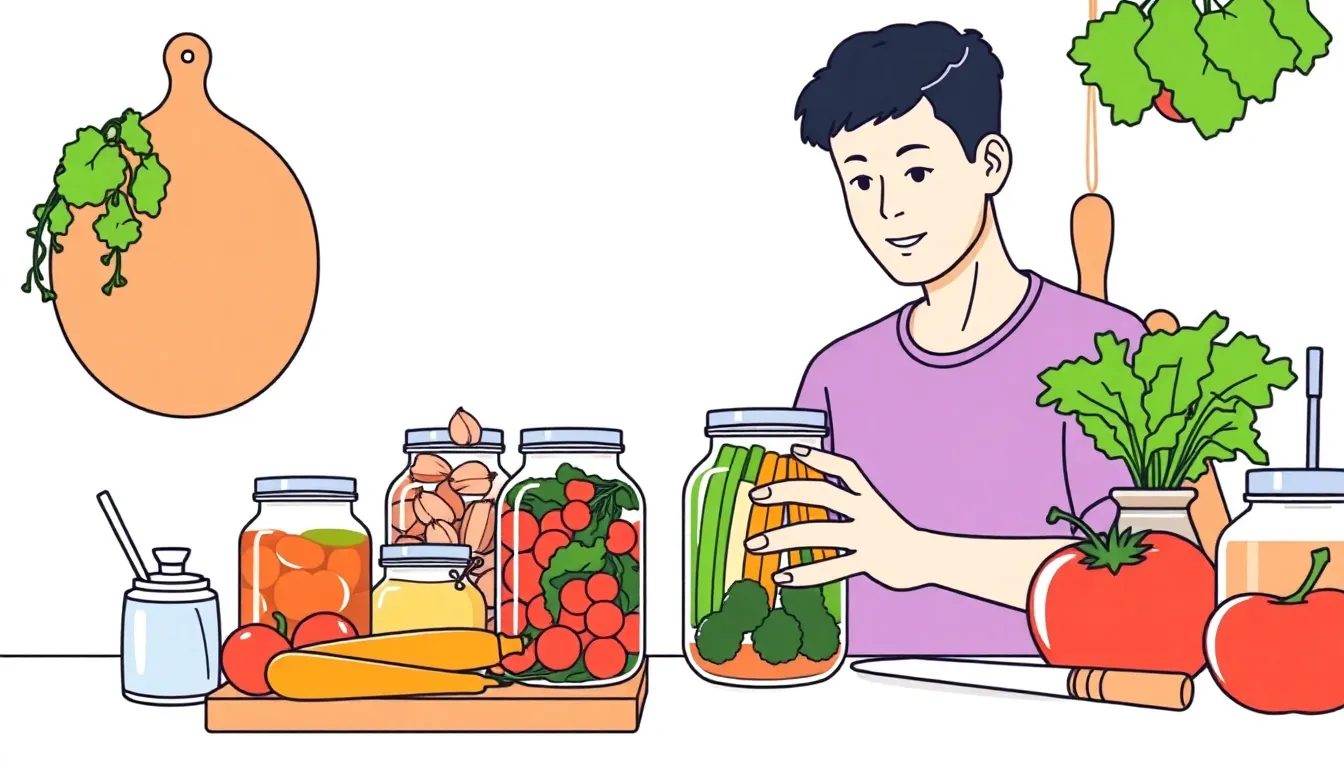
Fermenting vegetables is one of those ancient practices that has made a serious comeback in recent years. And for good reason! It’s not just about preserving food – it’s about creating something entirely new and incredibly beneficial for your health. When you ferment vegetables, you’re essentially letting beneficial bacteria transform your ordinary produce into probiotic powerhouses.
I got into fermenting after realizing how much money I was spending on store-bought kimchi. My first batch was… interesting (read: slightly explosive when I opened the jar). But after some practice and plenty of trial and error, I’ve found fermentation to be surprisingly simple and incredibly rewarding.
In this guide, we’ll walk through everything you need to know to start fermenting vegetables in your own kitchen – from the basic science behind fermentation to troubleshooting common problems. Let’s dive in!
Understanding the Science of Fermentation
At its core, fermentation is controlled decomposition. That might not sound appetizing, but trust me, it’s fascinating. When you create the right environment (typically salty and oxygen-free), you encourage beneficial bacteria like Lactobacillus to thrive. These good bacteria consume the sugars in your vegetables and produce lactic acid as a byproduct.
This acid is what gives fermented foods their distinctive tangy flavor. It also happens to be what preserves the vegetables and makes them last for months in your refrigerator. The pH drops, creating an environment where harmful bacteria simply can’t survive.
The amazing thing is that humans have been using this process for thousands of years, long before we understood the science behind it. Fermentation was one of our first food preservation methods, with evidence dating back to 6000 BCE in the Fertile Crescent.
When you ferment vegetables at home, you’re not just making food – you’re participating in a culinary tradition that predates written history. And you’re doing it using nothing but salt, water, and the power of natural bacteria that already exist on the vegetables themselves.
💡
Pro-Tip: Don’t throw away your outer cabbage leaves! They make perfect “followers” to hold your vegetables under the brine. Just fold one to fit inside your jar and place it on top of your ferment to keep everything submerged.
Essential Equipment and Ingredients
The beauty of fermentation is that you don’t need fancy equipment to get started. Our ancestors certainly didn’t have specialty airlock lids or pH meters! That said, a few basic tools will make your fermenting journey much easier.
Here’s what you’ll need to begin:
- Glass jars or crocks – Mason jars work perfectly for beginners. Avoid metal containers as they can react with the acids produced during fermentation.
- Weights – Something to keep your vegetables submerged under the brine. You can purchase glass weights, or use a clean stone, small jar, or even a cabbage leaf.
- Salt – Non-iodized salt is crucial. Iodized salt can inhibit fermentation. Sea salt, kosher salt, or specialty fermentation salts all work well.
- Fresh vegetables – The fresher, the better. Organic is ideal since pesticides can interfere with the natural bacteria needed for fermentation.
- Filtered water – Chlorinated tap water can kill the beneficial bacteria, so filtered or spring water is best.
As you get more into fermenting, you might want to invest in specialized equipment like airlocks, fermentation weights, or even a ceramic crock. But honestly, I’ve made some of my best batches with nothing more than a clean jar, some salt, and fresh vegetables from my garden.
What you don’t need? Starter cultures or whey. While these can be useful for certain ferments, vegetables naturally have all the bacteria they need on their surfaces to kick-start the fermentation process.
💡
Pro-Tip: When making sauerkraut, massage your cabbage with salt until it’s dripping wet with its own juice. This means you’ve broken down the cell walls effectively, which will lead to a more successful fermentation. Your hands might get tired, but it’s worth it!
Step-by-Step Fermentation Process
Let’s walk through a basic vegetable fermentation process. I’ll use sauerkraut as our example since it’s one of the simplest ferments to start with.
First, chop or shred your cabbage. For a quart jar, you’ll need about one medium head. Place it in a large bowl and sprinkle with about 1-2 tablespoons of salt. Now comes the fun part – massage that cabbage! Work it with your hands, squeezing and crushing until it starts releasing liquid. This usually takes 5-10 minutes.
Once your cabbage is sitting in a puddle of its own juice, pack it tightly into a clean jar. Press it down firmly so that the liquid rises above the cabbage. If there’s not enough liquid to cover, you can make a simple brine (1 tablespoon salt to 2 cups water) to top it off.
Next, make sure all the cabbage stays submerged. This is where your weights come in. Place something clean and heavy on top of the cabbage to keep it under the liquid.
Cover the jar with a lid, but don’t seal it completely – gases need to escape during fermentation. You can use a specialized airlock lid, or simply screw a regular lid on loosely.
Place your jar somewhere at room temperature (about 65-75°F is ideal), out of direct sunlight. Now comes the hardest part: waiting. Your sauerkraut will need at least a week, though many prefer the flavor after 2-4 weeks.
During fermentation, it’s normal to see bubbling, color changes, and for the brine to turn cloudy. These are all signs of healthy fermentation. Once your sauerkraut tastes tangy enough for your liking, transfer it to the refrigerator where it will keep for several months.
Troubleshooting Common Fermentation Issues
Even with something as natural as fermentation, things can sometimes go sideways. Here are some common issues and how to address them:
Mold on the Surface
If you see white, fuzzy mold on top of your ferment, don’t panic! This usually happens when pieces of vegetable float above the brine. Simply skim off the moldy bits, make sure everything else is submerged, and your ferment should be fine. The acidic environment below the surface protects the rest of your vegetables.
Strange Smells
Fermentation should smell sour, but not putrid. A smell like rotten eggs suggests something has gone wrong, possibly due to harmful bacteria. If your ferment smells truly awful, it’s safer to discard it and start fresh.
Soft or Mushy Vegetables
Sometimes vegetables turn soft instead of staying crisp. This can happen if your fermentation environment is too warm or if you’ve fermented for too long. For crispier results, try adding tannin-rich leaves like grape, oak, or horseradish to your next batch.
Not Enough Bubbling
If you don’t see any signs of activity after a few days, your ferment might be too cold or you might not have enough salt. Move it to a warmer spot and give it time. Remember that fermentation is slower in cooler temperatures.
Remember that fermentation is both a science and an art. Sometimes batches vary, and that’s part of the process. Take notes on what works and what doesn’t, and you’ll improve with each batch.
Beyond the Basics: Creative Fermentation Ideas
Once you’ve mastered basic sauerkraut, a whole world of fermentation possibilities opens up. Here are some creative directions to explore:
- Kimchi – This Korean staple combines cabbage with garlic, ginger, and chili for a spicy, complex ferment
- Mixed vegetable medley – Try fermenting carrots, beets, radishes, and turnips together for a colorful mix
- Fermented hot sauce – Blend fermented hot peppers with their brine for an alive, probiotic hot sauce
- Pickled garlic – Whole cloves fermented in brine turn mellow and umami-rich
- Curtido – This Salvadoran fermented slaw includes cabbage, carrots, onions, and oregano
Don’t be afraid to experiment with spices and herbs. Caraway seeds are traditional in sauerkraut, but dill, fennel, juniper berries, or turmeric can create completely different flavor profiles. Just remember that strong spices like garlic and ginger will become more intense as fermentation progresses.
One of my favorite discoveries was fermenting sliced lemons with garlic and chili flakes. After a month of fermentation, I blended the whole thing into a paste that’s become my secret ingredient for marinades and dressings.
Conclusion
Fermenting vegetables at home connects us to an ancient tradition while providing incredible health benefits. There’s something deeply satisfying about transforming simple ingredients into complex, living foods using nothing but salt, time, and the magic of beneficial bacteria.
When I look at my kitchen counter lined with jars of colorful ferments – the deep red of beet kvass, the vibrant orange of carrot sticks, the pale green of sauerkraut – I feel a sense of accomplishment that few other cooking projects provide.
Start simple with basic sauerkraut or pickled carrots. As your confidence grows, experiment with different vegetables, spice combinations, and fermentation times. Take notes on what works and what doesn’t. Share your creations with friends and family (or keep them all for yourself – I wouldn’t blame you!).
Remember that fermentation is a relationship between you and billions of microscopic allies. Give them the right conditions, and they’ll transform your vegetables into something extraordinary. And yes, sometimes jars will overflow, batches will taste too sour, and experiments will fail. That’s all part of the journey.
Now, go get yourself some fresh vegetables, some good salt, and a clean jar. Your fermentation adventure awaits!
Frequently Asked Questions
Is it safe to ferment vegetables at home?
Yes, fermenting vegetables at home is very safe when done properly. The acidic environment created during fermentation prevents harmful bacteria from growing. The key safety points are using clean equipment, keeping vegetables submerged under brine, and using the right amount of salt. If something looks or smells truly awful (beyond normal fermentation smells), it’s better to discard it.
How long do fermented vegetables last?
Properly fermented vegetables stored in the refrigerator can last 4-12 months, depending on the vegetable and storage conditions. Fermentation is a preservation method, after all! The flavor will continue to develop over time, often becoming more sour. Refrigeration dramatically slows the fermentation process but doesn’t stop it completely.
Do I need special cultures or starters to ferment vegetables?
No, you don’t need special cultures for vegetable fermentation. Fresh vegetables naturally have the beneficial bacteria needed to start fermentation right on their surfaces. All you need is salt, which creates the selective environment where those good bacteria can thrive while harmful ones cannot grow. Some people use starters to ensure consistent results or to introduce specific bacterial strains, but they’re completely optional.