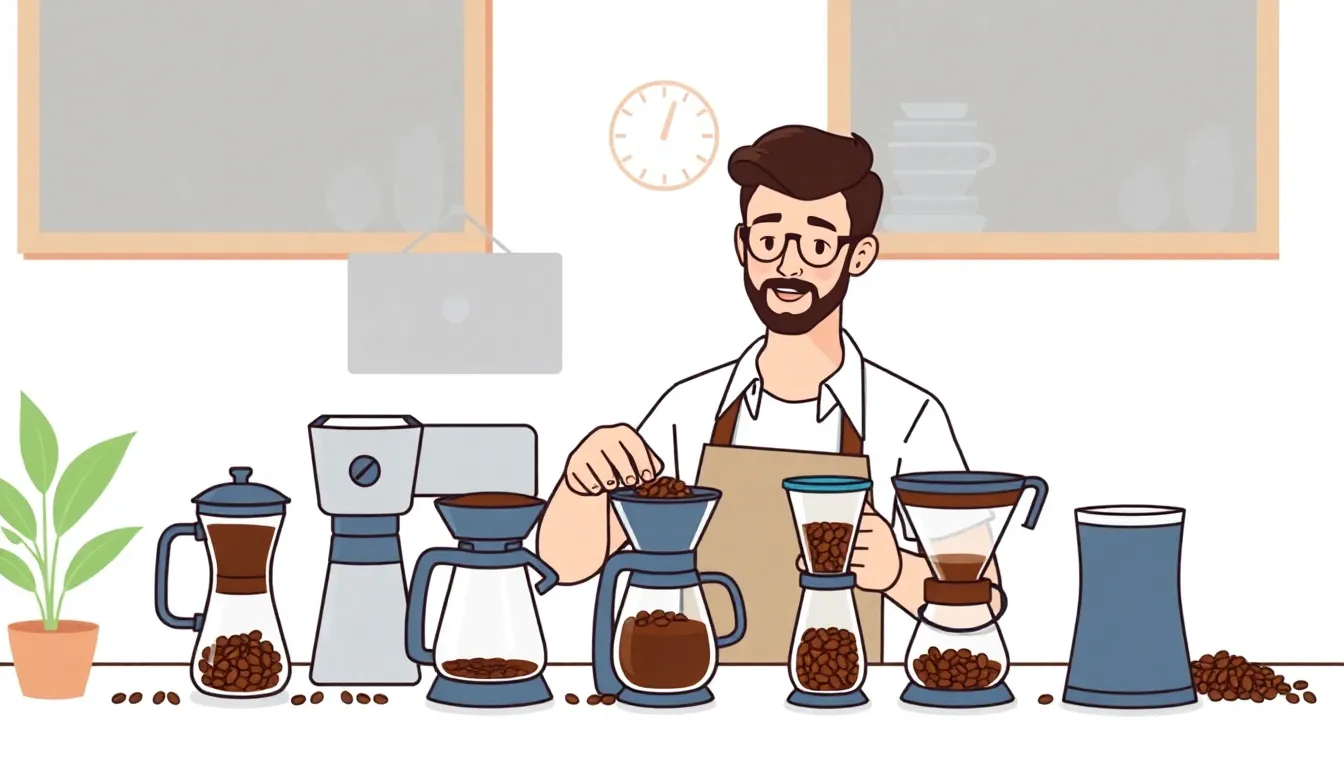
Coffee isn’t just coffee. Anyone who’s tried to recreate that perfect cup from their favorite cafe knows this truth all too well. What makes the difference? Often, it comes down to matching the right beans with your brewing method. The wrong pairing can leave you with a bitter disappointment in your mug, while the right combination can transform your morning ritual.
Different brewing methods extract flavors in unique ways, which means certain coffee beans shine in a French press but might fall flat in an espresso machine. Understanding these relationships doesn’t require becoming a coffee scientist – just some basic knowledge about what works where and why.
Let’s explore how to pair the perfect beans with your preferred brewing method, so you can elevate your coffee game without investing in expensive equipment or becoming an overnight barista.
Understanding Coffee Bean Basics
Before diving into specific brewing methods, let’s get familiar with what actually impacts coffee flavor. Coffee beans come from two main species: Arabica and Robusta. Arabica beans typically offer more complex flavors with higher acidity and sweeter notes, while Robusta beans provide stronger, more bitter profiles with nearly double the caffeine.
Beyond species, the roast level fundamentally changes your coffee experience. Light roasts preserve the bean’s original flavors – often fruity, floral or bright – and contain slightly more caffeine. Medium roasts balance original bean characteristics with roasting flavors like caramel or chocolate. Dark roasts develop bold, smoky flavors that sometimes overshadow the bean’s original characteristics.
Origin matters too. Ethiopian beans often feature bright, berry-like flavors. Colombian beans typically offer balanced, caramel-like sweetness. Indonesian beans frequently present earthy, spicy profiles. These regional differences stem from soil conditions, altitude, climate, and processing methods.
Freshness is non-negotiable. Coffee beans peak in flavor about 2-10 days after roasting and remain good for about a month when stored properly. Pre-ground coffee loses its nuances within minutes of grinding, which is why serious coffee lovers invest in a quality grinder above almost anything else.
💡
Pro-Tip: When buying coffee beans, check for a roast date rather than an expiration date. If there’s no roast date on the package, you might be getting beans that are already past their prime flavor window. Also, store beans in an airtight container away from light, heat, and moisture – but never in the freezer unless they’re vacuum-sealed.
Drip Coffee Maker Beans: Reliability in Your Cup
Drip coffee makers are probably the most common brewing method in American homes, and for good reason – they’re convenient and consistent. These machines work by passing hot water through medium-ground coffee, with gravity pulling the brewed coffee down through a filter and into your pot.
For automatic drip machines, medium-roast beans from Colombia, Guatemala, or Honduras work exceptionally well. These origins offer balanced acidity and body that stand up to the brewing process without developing harsh flavors. Colombian Supremo, with its mild acidity and caramel sweetness, is particularly forgiving in drip machines.
If your drip machine uses paper filters (most do), they trap many of the oils that contribute to body and mouthfeel. This means you’ll want beans with enough character to shine through that filtration. Beans labeled as “breakfast blend” are typically medium roasts specifically designed to work well in drip machines, offering pleasant flavors without overwhelming intensity.
For those who prefer darker flavors but find dark roasts too bitter in drip machines, try beans from Sumatra or other Indonesian islands. These coffees naturally possess earthy, full-bodied characteristics that maintain their complexity even through paper filters.
The grind consistency matters tremendously with drip machines. Too fine, and you’ll get over-extracted, bitter coffee; too coarse, and you’ll end up with weak, underwhelming flavor. Aim for medium grind, similar to regular sand texture.
💡
Pro-Tip: If your drip coffee tastes flat or dull, try using a metal mesh filter instead of paper. Paper filters trap the aromatic oils that contribute to rich flavor and mouthfeel. Switching to a metal filter allows these oils to pass through, resulting in a more nuanced cup that better showcases your coffee beans’ unique characteristics.
Espresso Machine: The Pursuit of Perfect Crema
Espresso machines demand specific beans to produce that gorgeous crema and balanced shot. Unlike other methods, espresso uses pressure to force hot water through finely ground coffee in seconds, creating an intensely concentrated result. This rapid extraction magnifies both good and bad qualities in beans.
Traditional Italian espresso blends typically contain some Robusta beans mixed with Arabica. The Robusta adds body and creates that thick, persistent crema that defines good espresso. Look for beans specifically labeled as “espresso blends” – these are designed to withstand the high-pressure, high-temperature espresso environment.
Medium-dark to dark roasts generally perform better in espresso machines because they’re less acidic. High-acid coffees can taste overwhelmingly sour when concentrated through espresso brewing. Brazilian beans make excellent espresso bases due to their naturally low acidity, nutty flavor profiles, and substantial body.
Single-origin beans can make fascinating espressos, but they’re often trickier to dial in perfectly. Ethiopian beans can produce bright, fruity shots, while Sumatran beans create earthy, herbal profiles. If experimenting with single-origin espresso, start with beans from lower-altitude growing regions, which typically offer heavier body and less challenging acidity.
Freshness matters more for espresso than perhaps any other brewing method. Beans more than three weeks off roast may struggle to produce proper crema, regardless of quality. And remember – espresso requires a very fine, consistent grind, so invest in a quality burr grinder if espresso is your preferred brewing method.
French Press: Full-Bodied Immersion Brewing
The French press creates a distinctly different cup from filtered methods because it’s an immersion brewer that doesn’t filter out the coffee oils. This results in a full-bodied cup with rich mouthfeel that showcases a coffee’s texture along with its flavor.
Medium to dark roast beans generally perform wonderfully in a French press. The longer steeping time (typically 4 minutes) allows the water to fully extract the developed roast flavors. Single-origin beans from Sumatra, Guatemala, or Brazil are excellent choices due to their bold characteristics and lower acidity.
Since French press brewing doesn’t use paper filters, the natural oils in the coffee remain in your cup. This makes it an ideal brewing method for showcasing beans with nutty, chocolate, or caramel notes, as these flavors seem to amplify in the oils. Beans from Central America often display these characteristics beautifully.
The French press requires a coarse grind – about the consistency of sea salt or raw sugar. Finer grinds will pass through the mesh filter, resulting in muddy coffee with unpleasant sediment. They can also make the plunging action difficult and lead to over-extraction.
One often-overlooked consideration for French press coffee is water temperature. Because the press is typically glass or metal without insulation, heat loss during brewing can be significant. Using beans with slightly darker roast profiles helps counteract this, as they extract more readily at slightly lower temperatures.
Pour Over and Chemex: Clarity and Complexity
Pour over methods, including Chemex, Hario V60, and Kalita Wave, are celebrated for producing clean cups with pronounced clarity. These methods allow for precise control over brewing variables like water flow and temperature, making them ideal for showcasing complex, delicate coffee characteristics.
Light to medium roasts truly shine in pour over brewers. The paper filters remove most oils but allow flavor compounds to pass through, highlighting bright acidity and subtle flavor notes. Ethiopian and Kenyan beans, known for their bright, fruity profiles and wine-like acidity, perform exceptionally well in pour over methods.
The Chemex, with its thicker filters, produces an especially clean cup that can reveal flavor notes that might be masked in other brewing methods. Look for beans described as having “floral,” “citrus,” or “berry” notes – these characteristics become remarkably distinct when brewed through a Chemex.
Single-origin beans generally outperform blends in pour over brewing, as this method excels at highlighting the unique terroir and processing methods of specific regions. For those new to pour over brewing, Guatemalan or Costa Rican beans offer approachable yet interesting flavor profiles with balanced acidity.
Grind size for pour over falls between drip and French press – medium-fine, similar to table salt. Consistency is crucial here, as uneven extraction from inconsistent grinds becomes very apparent in the clean profile of pour over coffee.
Conclusion: Finding Your Perfect Match
The perfect pairing of coffee beans and brewing method can transform your daily coffee ritual from ordinary to extraordinary. While the recommendations above provide solid starting points, remember that coffee appreciation remains deeply personal. The “right” bean is ultimately the one that tastes best to you.
Don’t be afraid to experiment beyond traditional pairings. Try brewing that Ethiopian light roast in your French press or using your everyday Colombian beans in your pour over. Sometimes breaking the rules leads to delightful discoveries.
As you explore different combinations, keep notes on what works for you. Pay attention to origin, roast level, processing method, and how fresh the beans are. Over time, you’ll develop an intuitive understanding of which beans work best with your preferred brewing methods.
And remember – good water, proper grind consistency, and attention to brewing temperature often make more difference than switching beans. Perfecting these variables first will help you better appreciate the subtle differences between bean varieties.
The world of coffee offers endless exploration. Each origin, processing method, roast level, and brewing technique opens new possibilities. Embrace the journey of finding your perfect match – your ideal morning cup is out there waiting to be discovered.
Frequently Asked Questions
How important is the grind size when matching beans to brewing methods?
Grind size is critically important – possibly more important than the actual beans you choose. Each brewing method requires a specific grind size to extract properly. Espresso needs very fine grinds, pour over works best with medium-fine, drip machines need medium, and French press requires coarse grinds. Using the wrong grind size will result in either under-extraction (sour, weak coffee) or over-extraction (bitter, harsh coffee), regardless of bean quality.
Can I use the same beans for multiple brewing methods?
Yes, but you’ll get different results. Medium roast beans are the most versatile across brewing methods. When using the same beans in different brewers, adjust your expectations – the same Ethiopian beans will taste brighter and more tea-like in a pour over, while developing heavier body and subdued acidity in a French press. Always adjust your grind size appropriately for each brewing method.
Are expensive coffee beans worth the price difference?
Often yes, but with diminishing returns. The jump from grocery store beans to specialty coffee ($15-20/lb) usually brings substantial quality improvement. Beyond that price point, you’re typically paying for rarity, exotic processing methods, or competition-winning lots. These premium beans often showcase unique flavor profiles that coffee enthusiasts appreciate, but they require proper brewing technique and equipment to justify their price. For most home brewers, the sweet spot is specialty coffee in the $15-25/lb range.