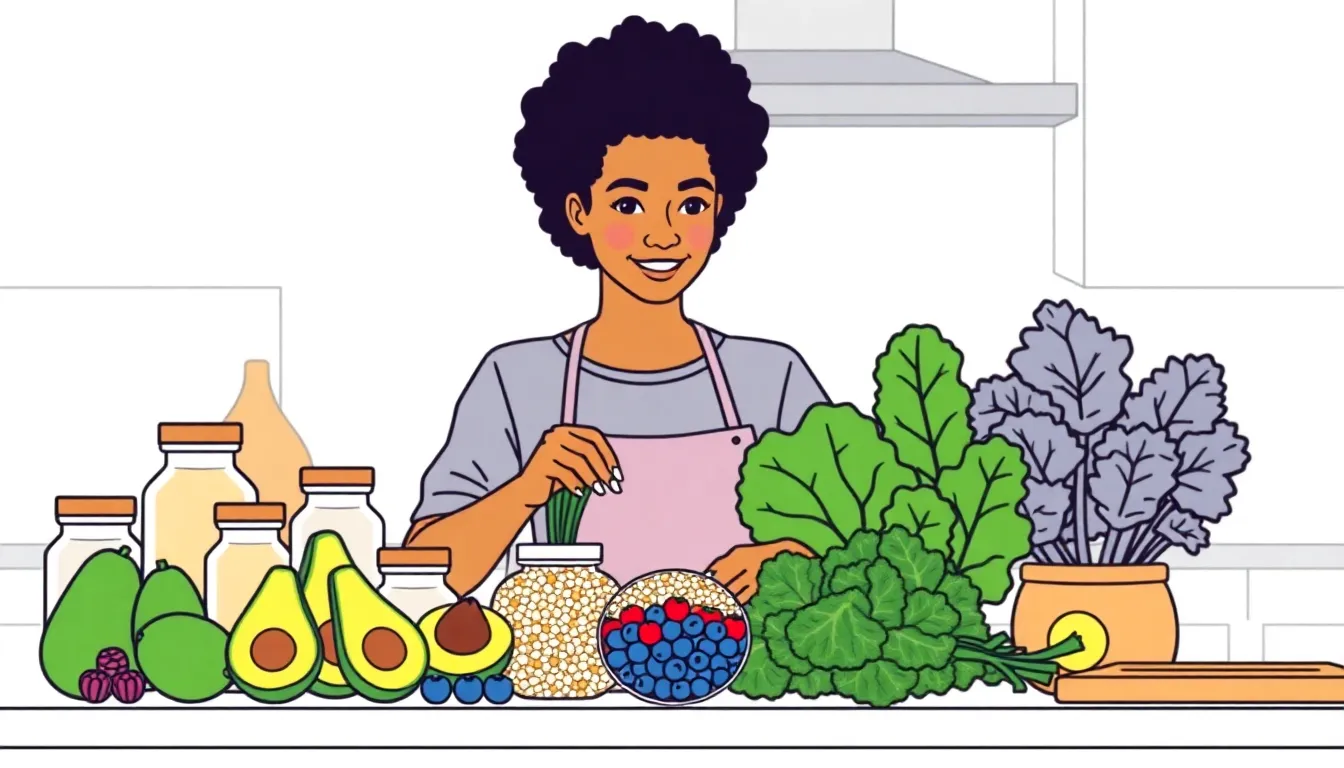
Superfoods That Actually Live Up to the Hype
The word “superfood” gets tossed around a lot these days. Walk into any health food store and you’ll spot dozens of products making bold claims about transforming your health overnight. But which superfoods are actually worth your money and kitchen space? Let’s cut through the marketing noise and look at the science-backed foods that genuinely deserve their superfood status.
Not all superfoods are exotic berries or expensive powders. Some of the most nutritionally dense foods have been sitting in grocery stores all along, just waiting to make their way to your plate. What makes these foods special isn’t just their nutrient content – it’s how these nutrients work together to support your body’s functions.
Berries: The Accessible Antioxidant Powerhouses
Berries might be small, but they pack a serious nutritional punch. Blueberries, strawberries, blackberries, and raspberries consistently rank among the highest antioxidant foods available. Their deep colors signal the presence of anthocyanins, compounds that fight oxidative stress and inflammation.
Research has linked regular berry consumption to improved cognitive function, better heart health, and even potential anti-aging benefits. A 2012 study published in the Annals of Neurology found that women who ate berries regularly experienced slower cognitive decline – by up to 2.5 years – compared to those who didn’t.
What makes berries truly “super” is their accessibility. Unlike some exotic superfoods, berries are widely available, relatively affordable (especially when in season or frozen), and easy to incorporate into your diet. Sprinkle them on yogurt, blend them into smoothies, or simply enjoy them as a sweet snack.
The fiber content in berries also supports gut health and helps regulate blood sugar, making them a better choice than many other sweet treats. Just one cup of raspberries contains 8 grams of fiber – nearly a third of your daily needs.
💡
Pro-Tip: Frozen berries often contain more nutrients than fresh ones that have traveled long distances or sat on shelves. They’re picked at peak ripeness and flash-frozen, locking in their nutritional value and saving you money when berries aren’t in season.
Fatty Fish: Brain Food That Delivers
When it comes to foods that benefit your brain and heart, fatty fish like salmon, mackerel, sardines, and trout truly stand out. These fish are rich in omega-3 fatty acids, particularly EPA and DHA, which are critical for brain function and development.
The omega-3s in fatty fish have been linked to reduced inflammation, lower risk of heart disease, better mood regulation, and even protection against age-related mental decline. Unlike many other superfoods whose benefits are based mostly on laboratory studies, the health effects of consuming fish have been observed in large human populations over time.
For instance, populations with diets high in fatty fish, like traditional Japanese and Mediterranean communities, typically have lower rates of heart disease and depression. The American Heart Association recommends eating fish (particularly fatty fish) at least twice a week for these protective benefits.
Beyond omega-3s, these fish provide high-quality protein, vitamin D, selenium, and B vitamins. Vitamin D is particularly important since many people are deficient, especially those living in northern climates with limited sun exposure.
💡
Pro-Tip: Concerned about mercury in fish? Smaller fish like sardines and anchovies accumulate less mercury than larger predatory fish. They’re also more sustainable choices and provide comparable omega-3 levels to salmon at a fraction of the cost.
Leafy Greens: The Nutritional Foundation
If there’s one food group that nutritionists universally agree on, it’s leafy greens. Spinach, kale, collard greens, Swiss chard, and arugula are nutritional powerhouses that deserve their superfood status. What makes these plants so special is their nutrient density – they provide an incredible amount of vitamins, minerals, and phytochemicals with very few calories.
Just one cup of raw spinach contains over half your daily vitamin A needs, almost your entire vitamin K requirement, plus folate, iron, calcium, and powerful antioxidants like lutein and zeaxanthin that protect eye health.
Leafy greens have been linked to reduced risk of heart disease, certain cancers, and age-related macular degeneration. They also contain nitrates that can improve blood vessel function and potentially lower blood pressure.
The fiber in greens supports digestive health, helps manage blood sugar levels, and feeds beneficial gut bacteria. This gut-friendly quality is increasingly important as researchers discover more connections between gut health and overall wellness, including mental health.
Unlike many trendy superfoods, greens are affordable, widely available, and versatile. They can be eaten raw in salads, sautéed as a side dish, blended into smoothies, or added to soups, omelets, and pasta dishes.
Fermented Foods: Gut-Health Heroes
The connection between gut health and overall wellness has become clearer in recent years, putting fermented foods like yogurt, kefir, kimchi, sauerkraut, and kombucha in the spotlight. These foods contain probiotics – beneficial bacteria that support your microbiome.
A healthy gut microbiome has been linked to improved digestion, stronger immunity, better mood, and potentially even clearer skin. Some research suggests these beneficial bacteria may help reduce inflammation throughout the body, which is a root cause of many chronic diseases.
Yogurt and kefir are particularly noteworthy as they combine probiotics with calcium, protein, and B vitamins. Studies have found that regular yogurt consumption is associated with lower risk of type 2 diabetes and better weight management.
Fermented vegetables like kimchi and sauerkraut offer a plant-based probiotic option along with fiber, vitamins, and antioxidants. The fermentation process not only creates probiotics but can also increase the bioavailability of certain nutrients, making them easier for your body to absorb.
What sets fermented foods apart from probiotic supplements is that they provide a matrix of nutrients that work synergistically. They’re also typically more affordable and have been consumed safely for thousands of years across various cultures.
Seeds and Nuts: Small Packages, Big Nutrition
Some of the most nutritionally dense foods come in tiny packages. Seeds like chia, flax, hemp, and pumpkin, along with nuts such as walnuts, almonds, and Brazil nuts, offer impressive health benefits that have stood up to scientific scrutiny.
These foods are rich in healthy fats, protein, fiber, vitamins, and minerals. Chia and flax seeds are exceptional sources of alpha-linolenic acid (ALA), a plant-based omega-3 fatty acid. Just one Brazil nut provides your entire daily selenium requirement – a mineral important for thyroid function and immune health.
Regular nut consumption has been linked to reduced risk of heart disease, better weight management (despite their calorie density), and improved blood sugar control. The Harvard Nurses’ Health Study found that women who ate nuts regularly had a 29% lower risk of heart disease compared to those who rarely ate nuts.
What makes seeds and nuts particularly effective is their nutrient profile combined with convenience. They require no preparation, have a long shelf life, and can easily be incorporated into meals or eaten as snacks. A small handful provides lasting energy without the crash that comes from processed snacks.
Conclusion: The Real Food Advantage
The most impressive aspect of these genuine superfoods isn’t any single vitamin or antioxidant they contain – it’s how their components work together. Real, whole foods provide nutrients in combinations and proportions that our bodies have evolved to use efficiently.
This is something that supplements and highly processed “functional foods” with added nutrients can’t replicate. The synergy between different compounds in whole foods often creates health benefits greater than the sum of their parts.
The superfoods that truly live up to their hype share some common characteristics: they’re minimally processed, nutrient-dense, and have long histories of consumption in traditional diets. They don’t require exotic origin stories or marketing campaigns to prove their worth – just consistent research showing their benefits.
Perhaps the best approach isn’t to focus on any single superfood but to build a diet rich in a variety of these genuinely nutritious options. The combination of berries, fatty fish, leafy greens, fermented foods, nuts, and seeds creates a foundation for health that no single superfood powder or pill could match.
Frequently Asked Questions
Are expensive, exotic superfoods worth the money?
Not always. While foods like açaí, goji berries, and maca may have nutritional benefits, they’re often no more nutritious than more affordable options. Blueberries provide similar antioxidant benefits to açaí at a fraction of the cost. Focus on nutrient-dense foods you can afford to eat regularly rather than expensive options you’ll only use occasionally.
How can I incorporate more superfoods into my diet on a budget?
Buy frozen berries and greens, which are often more affordable and just as nutritious as fresh. Choose canned fish like sardines instead of fresh salmon. Buy nuts and seeds in bulk and store them in the freezer to extend shelf life. Incorporate seasonal produce when it’s most affordable, and consider growing herbs and some vegetables at home.
Can superfoods replace medication?
No. While nutritious foods support overall health and may help prevent certain conditions, they shouldn’t replace prescribed medications or medical treatment. Think of superfoods as part of your health maintenance strategy, not as cures or treatments. Always consult healthcare providers before making significant dietary changes, especially if you have existing health conditions.