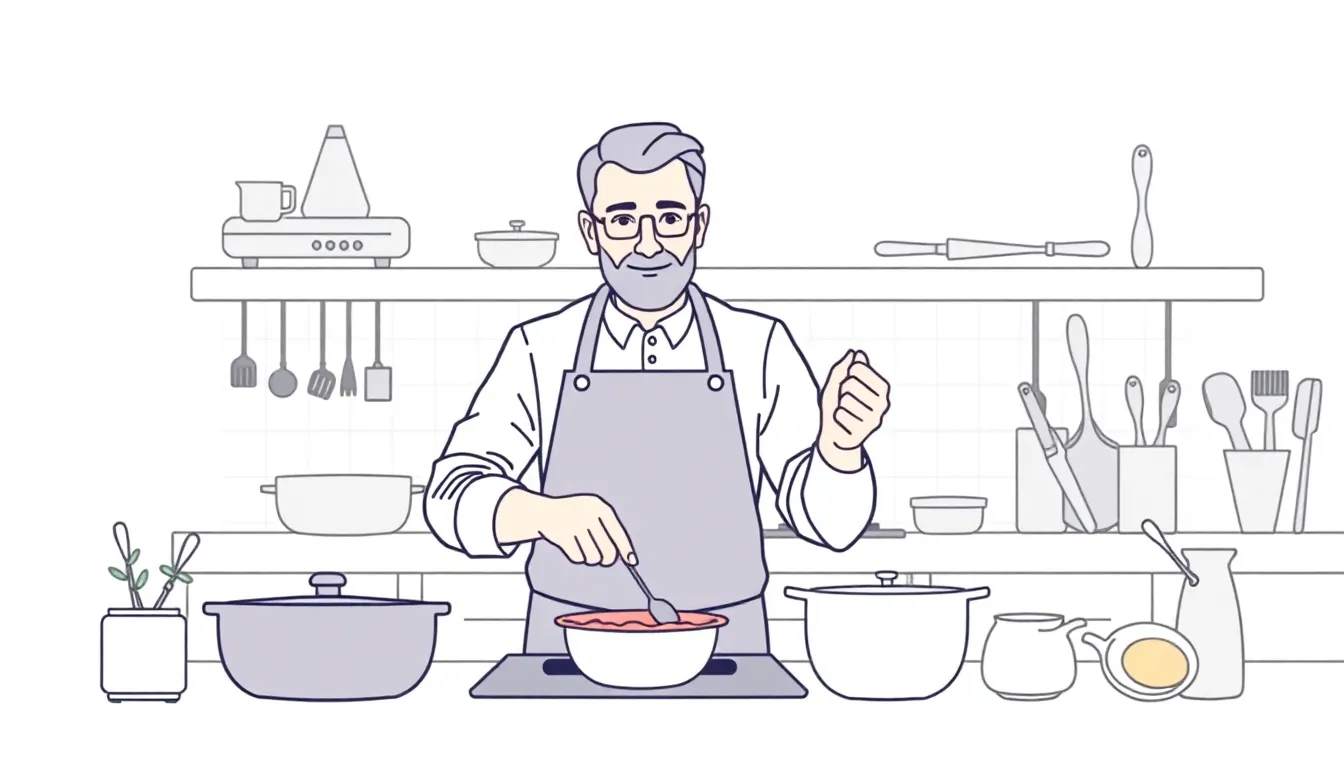
Mastering the Art of French Cooking at Home
French cooking has this reputation, right? It seems like something only professionals in fancy kitchens can pull off. But honestly, that's not really true. The truth is, French cuisine is built on fundamental techniques and quality ingredients - not magic or secret recipes locked away in some exclusive club. When you understand the core principles, you can absolutely cook French food in your own kitchen. What makes French cooking stand out is the attention to detail, the respect for ingredients, and the willingness to slow down. Those are things anyone can learn and practice. This article breaks down what you actually need to know to start cooking French food at home without feeling overwhelmed.
Understanding French Cooking Philosophy
French cooking isn't about being fancy for the sake of being fancy. It's rooted in a practical philosophy about food. The French believe that good food comes from respecting ingredients - using them when they're at their peak, treating them with care, and not over-complicating things just to sound impressive. This is different from what many people think. Many home cooks assume French cooking means fancy plating or complicated sauces, but at its core, it's about simple ingredients prepared well.
The foundation of French cooking rests on what they call the mother sauces - veloute, bechamel, espagnole, hollandaise, and tomato sauce. These aren't just random recipes. They're frameworks that teach you how flavors work together. Once you understand these five sauces, you can create countless other dishes. That's the real secret. It's not memorizing hundreds of recipes. It's learning the building blocks so you can think like a French chef rather than just follow instructions.
Another core aspect is knife skills and proper technique. French cooking emphasizes how you prepare ingredients before they even hit the pan. The size and shape of your cuts matter because they affect how food cooks. It's not pretentious - it's practical. A properly cut brunoise (tiny dice) cooks evenly and looks professional. These techniques might seem tedious at first, but they actually save time in the long run because your food cooks more consistently and tastes better.
💡
Pro-Tip: Start with one mother sauce and master it completely before moving to the next. Spend two weeks making bechamel in different ways - thick, thin, flavored with different herbs. This builds real understanding instead of just collecting recipes.
Building Your French Kitchen Pantry
You don't need a huge collection of specialty items, but there are certain staples that make French cooking easier. The thing is, French cooking relies on quality basics rather than hard-to-find ingredients. Think about butter, cream, good wine, and proper stock. These aren't exotic - you just need to buy them thoughtfully.
Butter is essential. French cooking uses real butter, not substitutes. The fat carries flavor and creates those rich sauces that make French food memorable. Buy unsalted butter so you control the salt in your dishes. Similarly, keep good quality olive oil on hand, though interestingly, French cooking uses butter more than olive oil in most classic dishes.
Stock is huge. Many home cooks skip this and use water or bouillon cubes. That's a shortcut that actually hurts your results. Homemade or quality store-bought stock makes a real difference in how dishes taste. A simple chicken stock adds depth that water simply can't match. Wine is another pantry essential - not fancy wine, but something you'd actually drink. Cooking with poor wine creates poor-tasting food. Herbs like thyme, bay leaf, and parsley form the backbone of French cooking. Fresh is better, but dried works too when you use them properly.
Beyond those basics, keep shallots, garlic, onions, and tomatoes around. These appear in countless French dishes. A well-stocked French pantry isn't complicated - it's just the fundamentals, bought with intention and quality in mind.
💡
Pro-Tip: Make a simple stock on Sunday and freeze it in ice cube trays. You'll always have small portions available, and this one habit changes your weeknight cooking more than any single technique ever will.
Essential Techniques Every Home Cook Should Know
French cooking teaches specific techniques that appear repeatedly across different dishes. Learning these core techniques is more valuable than learning a hundred recipes. When you understand the technique, you can apply it to whatever ingredients you have available.
Sauteing is the most fundamental. It sounds simple - heat your pan, add fat, cook your food - but there's more to it. The French understand that proper heat control and timing change everything. You want to get your pan hot enough that food makes a proper sound when it hits the surface, but not so hot that it burns. Patience matters here. Let things brown properly instead of constantly moving them around.
Braising is another essential technique. This is where you brown meat or vegetables, then cook them slowly in liquid. It sounds straightforward, but braising creates incredible flavor through the combination of browning (which develops complex flavors through the Maillard reaction) and slow, moist cooking. You'll see braising in dishes like beef bourguignon or coq au vin.
Then there's sauce reduction. This is where you take the pan drippings - all those flavorful bits stuck to the bottom of your cooking vessel - and turn them into a sauce by cooking down liquid. This is less a complicated technique and more about understanding that flavor is concentrated through reduction. As water evaporates, flavors become more intense.
Practice, Mistakes, and Real Progress
Here's what nobody tells you about mastering French cooking - you're going to mess up. A lot. Your first bernaise sauce might break. Your soufflé might collapse. That's not failure, that's learning. French cooking is technical enough that mistakes teach you something every single time.
The important thing is understanding why something went wrong. Did your sauce break because the heat was too high? Did your soufflé collapse because you opened the oven door too early? These aren't random disasters - they follow rules. Once you understand the rules, you can avoid the mistakes next time.
Start with simpler dishes and build up. Make a good coq au vin before you tackle a complicated fish course with compound sauces. Practice knife skills while making simple salads. Do this consistently - maybe once or twice a week - and you'll be surprised how quickly you improve. Consistency matters more than intensity. Cooking the same techniques repeatedly, even if just for simple meals, builds muscle memory and intuition.
💡
Pro-Tip: Keep a simple cooking journal. Write down what worked, what didn't, and what you'd change. This forces you to think about your cooking instead of just moving on. You'll improve dramatically faster than people who just cook randomly without reflection.
Conclusion
Mastering French cooking at home isn't about being a professional chef or having a fancy kitchen. It's about understanding the philosophy behind the food and learning the techniques that French cooks have refined over centuries. This means respecting your ingredients, building skills systematically, and accepting that mistakes are part of the learning process.
What I've learned the hard way is that French cooking teaches you to think differently about food. Instead of following recipes like a robot, you learn why things work. That knowledge transfers everywhere. Once you understand how a mother sauce works, you can create dozens of dishes. Once you master braising, you can braise anything. This isn't just cooking - it's building a foundation.
The beautiful part? You don't need anything special to start. A decent knife, a heavy-bottomed pan, and good ingredients are all you really need. Everything else comes through practice and paying attention. Start somewhere, pick one technique or sauce, and spend time with it. Before long, you'll be cooking French food that tastes genuinely good - the kind of food that makes people ask where you learned to cook like that.
Frequently Asked Questions
What are the five mother sauces in French cooking?
The five mother sauces are bechamel (milk-based), veloute (light stock-based), espagnole (brown stock-based), hollandaise (egg and butter-based), and tomato sauce. These sauces serve as foundations for hundreds of other sauces and dishes in French cuisine.
Do I need expensive equipment to cook French food at home?
Not really. A sharp chef's knife, a heavy-bottomed saucepan, a wooden spoon, and a whisk are honestly enough to start. As you progress, items like a proper stockpot or copper pans are nice, but they're not necessary for learning the fundamentals of French cooking.
How long does it typically take to get good at French cooking?
That depends on how often you practice and what you consider "good." You can cook solid everyday French dishes after a few months of regular practice. Real proficiency - where you understand the principles deeply - typically takes a year or more of consistent cooking.
What's the difference between French cooking and other European cuisines?
French cooking emphasizes technique, precision, and building from core principles. It's more systematic and technique-focused than many other cuisines. This doesn't make it better, just different - it's about understanding the framework so you can adapt and create.
Can I learn French cooking from cookbooks alone, or do I need classes?
Cookbooks work, especially ones that explain the "why" behind techniques rather than just giving instructions. However, taking at least one class or watching video demonstrations can help because you'll see techniques in action. After that, cookbooks and practice can carry you quite far.