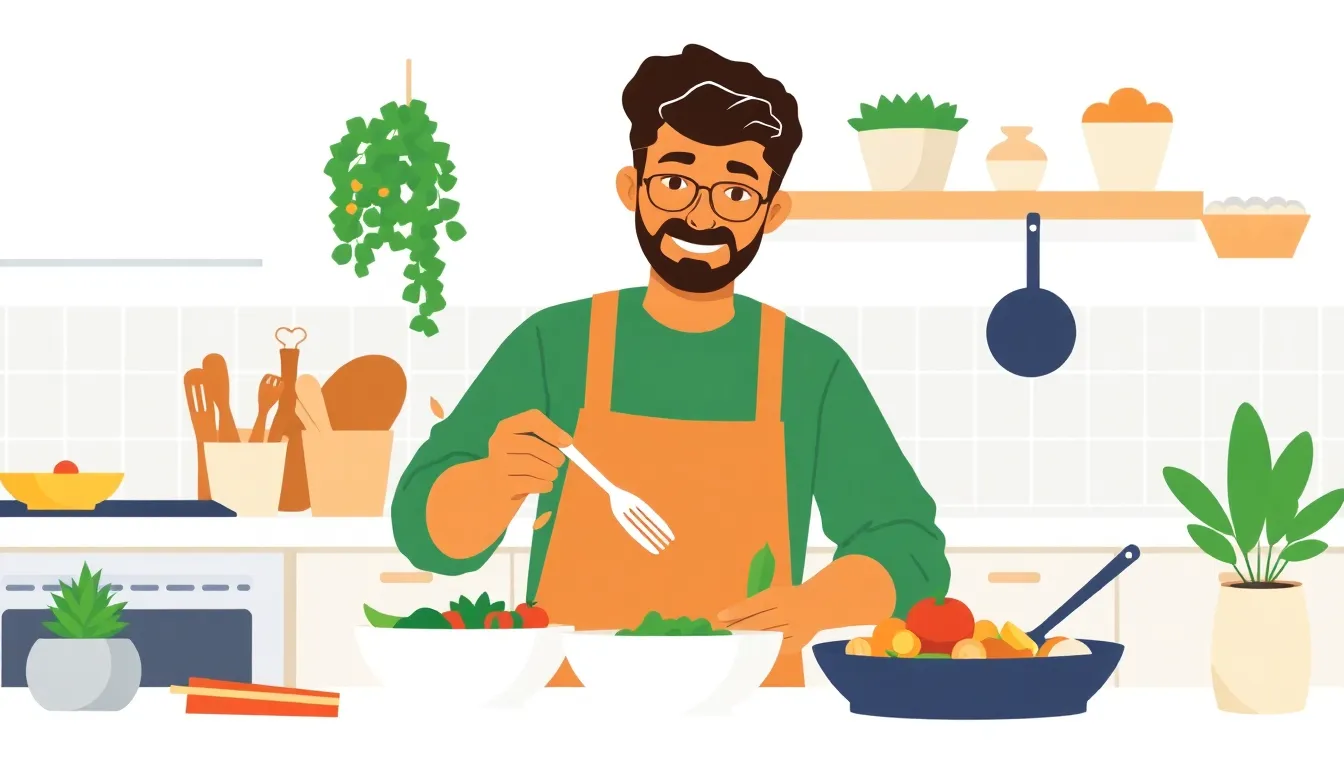
Vegan Comfort Food: Recipes That Do Not Taste Healthy
Let's be honest - when you think of vegan food, your mind probably doesn't jump to indulgent, craveable comfort meals. Most people imagine sad salads and bland tofu. But here's the thing: vegan comfort food can taste absolutely decadent, rich, and satisfying in ways that make you forget there's no dairy or meat involved. The secret isn't some fancy technique or expensive ingredient. It's understanding that comfort food works because of flavors, textures, and generous portions - none of which require animal products.
The shift toward plant-based eating doesn't mean sacrificing the foods that make you feel good. In fact, some of the most craveable comfort dishes - think creamy pasta, loaded nachos, crispy fried chicken, and fudgy brownies - become even better when made vegan. They're indulgent without the heaviness, satisfying without the guilt, and genuinely delicious without tasting like "health food." This is where vegan cooking stops being about restriction and starts being about pleasure.
Why Vegan Comfort Food Actually Works Better Than You Think
The foundation of great comfort food isn't chicken stock or butter - it's flavor depth. Fat carries flavor, sure, but so do caramelized onions, miso paste, nutritional yeast, coconut milk, and umami-rich ingredients like mushrooms and soy sauce. Vegan cooking forces you to layer flavors in ways that regular cooking sometimes skips. When you can't rely on butter to make something taste good, you get creative. You toast spices. You use acid to brighten dishes. You build complexity.
Consider a creamy mushroom pasta. The richness comes from cashew cream, pasta water starch, and lots of garlic - not dairy. But here's what matters: it tastes like a luxurious, restaurant-quality dish. The same goes for vegan mac and cheese made with nutritional yeast and plant-based cream, or a loaded vegan burger that's genuinely juicy and satisfying. These aren't "healthy alternatives" trying to mimic something better. They're legitimately good food that happens to be plant-based.
The psychology of comfort food involves portion size, indulgence, and permission to enjoy something without overthinking it. Vegan comfort food nails all three. You can pile vegetables onto a loaded sheet pan with thick-cut fries. You can have a massive bowl of creamy pasta without feeling like you're betraying your dietary choices. You get the satisfaction of eating something decadent while knowing what you're putting in your body.
💡
Pro-Tip: Keep coconut milk, cashews, and miso paste stocked in your pantry. These three ingredients unlock creamy, rich sauces that taste indulgent without any dairy. Most vegan comfort food relies on these building blocks more than you'd expect.
The Secret Ingredients That Make Vegan Food Taste Indulgent
Certain ingredients do the heavy lifting in vegan comfort cooking. Nutritional yeast adds a cheesy, savory depth that makes people stop mid-bite and ask what you did to make it taste so good. Coconut milk creates silky, luxurious sauces. Miso paste adds umami complexity that makes simple dishes feel sophisticated. Then there's the stuff most people already have: soy sauce, balsamic vinegar, garlic, and caramelized onions.
What's wild is that these aren't exotic or expensive ingredients. A jar of cashews blended with water and salt becomes better cream than actual dairy cream in some applications. Aquafaba - literally the liquid from a can of chickpeas - whips into meringues and mousses that rival anything made with eggs. Nutritional yeast costs a few dollars and transforms scrambled tofu or roasted vegetables into something savory and craveable.
The real game-changer is understanding texture. Comfort food succeeds because of contrast - crispy outside with soft inside, creamy sauce against crunchy toppings, warm bread against cold fillings. Vegan cooking nails this. Crispy tofu scramble with creamy avocado and salty nutritional yeast works. Creamy pasta with garlicky breadcrumbs as a topping works. A loaded nachos situation with refried beans, cheese sauce, jalapeños, and sour cream works because texture variety makes every bite interesting.
💡
Pro-Tip: Freeze tofu before using it. Frozen and thawed tofu becomes spongier and absorbs flavors better, making it perfect for crispy, flavorful preparations. It's a weird hack that actually transforms the texture entirely.
Simple Vegan Comfort Dishes That Actually Satisfy
The best vegan comfort food often looks less "healthy" and more "why is this good for me?" A creamy vegan chowder loaded with potatoes, corn, and cashew cream tastes like summer in a bowl - hearty, filling, and totally satisfying. Loaded fries with vegan cheese sauce, tempeh bacon, and garlicky cashew aioli hit the same notes as loaded nachos. Vegan fried chicken made from seitan or chickpea flour has the exact same crispy-outside-tender-inside texture as the real thing.
Then there's the stuff that surprises people. Vegan chocolate cake made with aquafaba, coconut oil, and good chocolate becomes this dense, fudgy thing that honestly tastes better than many non-vegan versions. Brownies made with black bean puree are literally impossible to distinguish from regular brownies once they're baked. A simple pasta with vegan butter, garlic, and fresh herbs tastes like something you'd order at an expensive restaurant.
What matters is that none of these feel like you're compromising. They don't taste "healthy" or "virtuous." They taste good, period. They're satisfying because they have fat, salt, and flavor - the building blocks of actual comfort food. The fact that they're plant-based is almost beside the point. It's just food that works.
Building a Vegan Comfort Food Rotation That Works
The key to actually eating vegan comfort food regularly is having a rotation of dishes you genuinely crave. This might be creamy pasta, loaded tacos, curry bowls, fried rice, stir-fries, or sheet pan dinners. The point is picking foods you already love and just making them vegan. Not replacing them with something else - actually cooking them the way you want them.
Most people find that once they cook a few vegan comfort meals that actually taste good, the rest becomes obvious. You start seeing how to adapt dishes you already enjoy. That burger you love becomes a vegan burger. That creamy soup becomes cashew-based. That chocolate dessert stays basically the same except you swap out the eggs and dairy. It stops feeling like restriction and starts feeling normal.
💡
Pro-Tip: Make large batches of cashew cream or cheese sauce on weekends. Having these ready to go in your fridge makes weeknight vegan cooking exponentially easier and more satisfying. It's the difference between wanting to cook and actually cooking.
The Psychology of Eating Food You Actually Enjoy
Here's something worth thinking about: comfort food works because it feels good to eat it. When food tastes genuinely delicious, you're satisfied faster and with less. You don't need to overconsume something when it truly hits the spot. Vegan comfort food that actually tastes indulgent offers this exact experience. You eat a serving of rich, creamy pasta and feel satisfied. You have a loaded plate of fries with cheese sauce and feel fulfilled.
The opposite happens with food that tastes "healthy" but doesn't satisfy you. You eat more of it because your brain isn't getting the signal that it's satisfied. This is why deprivation-based eating rarely works long-term. But eating food that tastes genuinely good, that offers real satisfaction, that feels indulgent even though it aligns with your values - that's sustainable. That's actually enjoyable.
Conclusion
Vegan comfort food doesn't have to taste like you're punishing yourself for your dietary choices. In fact, some of the most satisfying, craveable food comes from plant-based cooking. The secret is understanding that comfort food works through flavor, texture, and satisfaction - none of which require animal products. Cashew cream tastes luxurious. Nutritional yeast tastes savory and complex. Fried tofu tastes crispy and indulgent.
The best part? This isn't about compromise. It's about actually enjoying what you eat. When you cook vegan comfort food that genuinely tastes good - rich, flavorful, satisfying food that you'd order at a restaurant without hesitation - the fact that it's plant-based becomes almost irrelevant. You're just eating something delicious. That's the real shift. Not eating less or eating "healthier," but eating food that works for you and actually tastes amazing. Once you understand that, everything changes.
Frequently Asked Questions
Can vegan comfort food actually taste as good as non-vegan versions?
Absolutely. Comfort food relies on flavor, texture, and satisfaction - all achievable without animal products. A creamy pasta made with cashew cream, a loaded nachos situation with vegan cheese, or fried "chicken" made from seitan tastes genuinely indulgent. Many people find plant-based versions actually taste better because they force more thoughtful flavor building. The secret is using ingredients that deliver richness and depth, like coconut milk, miso paste, and nutritional yeast.
What are the easiest vegan comfort foods to start with?
Pasta dishes are the easiest entry point. A simple pasta with vegan butter, garlic, and olive oil tastes immediately satisfying. Loaded nachos with store-bought vegan cheese, beans, and toppings are straightforward. Sheet pan dinners with roasted vegetables and crispy tofu require minimal technique. The key is starting with dishes you already love and making simple swaps rather than trying complicated recipes.
How do you make vegan cheese sauce taste genuinely creamy and rich?
The foundation is usually cashew cream blended smooth, combined with nutritional yeast for savory depth, garlic for flavor, and a squeeze of lemon juice for brightness. Some people add miso paste for extra umami. The trick is using enough fat - don't skimp on the cashews or oil. Cooking the sauce gently rather than at high heat keeps it creamy. Store-bought vegan cheese sauces have improved significantly and offer a convenient alternative when you're short on time.
What ingredients should I keep stocked for vegan comfort cooking?
The essentials are canned coconut milk, raw cashews, nutritional yeast, miso paste, soy sauce, and good quality olive oil. Beyond that, keep staples like garlic, onions, balsamic vinegar, and spices you enjoy. Having these on hand means you can quickly create rich, satisfying meals without special shopping trips. Most vegan comfort food relies on these building blocks rather than obscure ingredients.
Is vegan comfort food actually sustainable as a long-term eating approach?
Yes, because it focuses on satisfaction rather than restriction. When food tastes genuinely good and leaves you feeling satisfied, you're more likely to stick with it. The difference between eating something because it aligns with your values and eating something because you actually enjoy it is significant. Vegan comfort food bridges that gap. You get nutrition, ethical alignment, and real enjoyment - that's a combination that actually lasts.