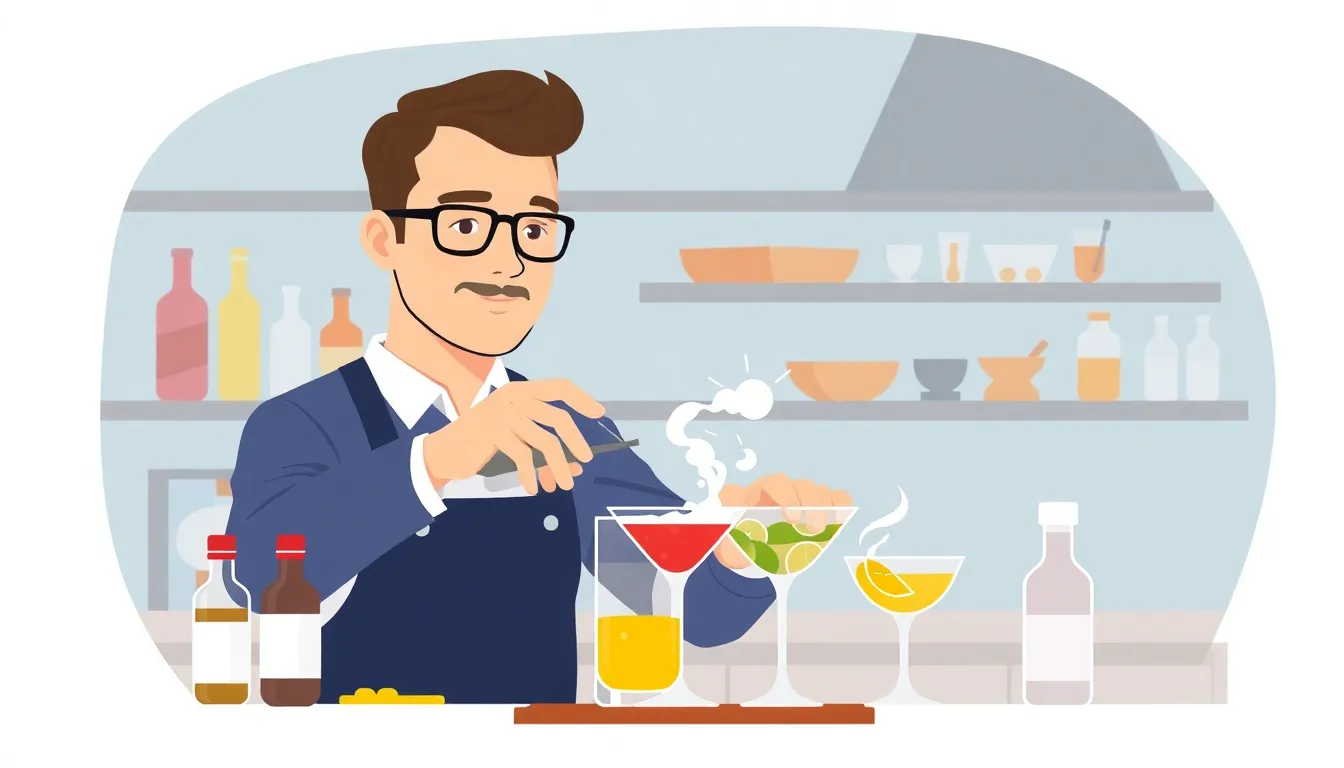
Classic Cocktails You Should Know How to Make
Walking into a bar and ordering a drink you've never heard of can feel intimidating. But what if you could flip the script and make those drinks yourself at home? Learning to craft classic cocktails isn't about becoming a professional bartender - it's about understanding flavor, balance, and a bit of technique. The truth is, most iconic cocktails rely on simple ingredients combined in the right proportions. Once you grasp the fundamentals, you'll find yourself mixing drinks with confidence, impressing guests, and honestly, saving money on nights out. Let's explore the cocktails that have stood the test of time and deserve a permanent spot in your home bar.
Why Master the Classics?
There's a reason certain cocktails have survived for decades - sometimes over a century. The Margarita, the Old Fashioned, the Daiquiri - these drinks work because their creators nailed the ratio of spirits, sweetness, acidity, and dilution. When you learn to make them properly, you understand the fundamental principles that apply to almost any mixed drink.
Beyond the technical side, knowing how to make classic cocktails gives you a practical skill that impresses people. It's not flashy - it's useful. You can throw together a proper drink at a dinner party without fumbling through recipes on your phone. More importantly, you'll recognize what separates a well-made cocktail from a mediocre one. That clarity, that balance - it changes how you taste drinks forever.
There's also something satisfying about understanding the history behind what you're drinking. The Negroni came from a bartender in Florence during the 1920s. The Sidecar emerged from Paris around the same era. Each drink tells a story about where it came from and what people were drinking at a particular moment in time. When you make them, you're connecting with that history.
💡
Pro-Tip: Invest in a bar scale if you're serious about consistency. Many bartenders swear by weight-based measurements rather than jiggers. It removes guesswork and ensures your cocktails taste identical every time you make them.
The Essential Bar Setup
You don't need an entire shelf dedicated to bottles. The classics rely on a surprisingly small foundation - vodka, gin, rum, whiskey, tequila, and brandy. Add a few liqueurs like triple sec, vermouth, and something sweet like simple syrup, and you're already capable of making dozens of drinks. The key is quality over quantity. A decent bottle of spirits will outperform a liquor cabinet stuffed with cheap options.
Tools matter too, but again - you don't need much. A cocktail shaker, a jigger for measuring, a bar spoon, and a strainer will cover most situations. A citrus juicer is worth having because fresh juice makes a genuine difference. Store-bought lemon or lime juice tastes like disappointment, and once you make a drink with fresh juice, going back feels impossible. A muddler is useful for drinks like the Mojito or Old Fashioned, but a wooden spoon works fine if you're starting out.
Organization matters more than having professional equipment. Keep your spirits in one spot, your liqueurs in another, and your tools accessible. When you're making a drink, you want to move smoothly without hunting for bottles. The setup itself communicates confidence - both to yourself and anyone watching.
The Big Four Cocktails Everyone Should Master
If you're going to pick just four classic cocktails to learn, make them the Martini, the Old Fashioned, the Margarita, and the Daiquiri. These four represent different categories of drinks and teach you different techniques.
The Martini teaches you about stirring, dilution, and temperature control. It's gin (or vodka), vermouth, and a twist or olive. Simple on paper - but the temperature and the ratio of vermouth to gin creates an almost meditative preparation. The Old Fashioned is about muddling and balance - whiskey, sugar, bitters, a splash of water. The Margarita introduces you to tequila and how citrus juice balances sweetness. The Daiquiri, often made badly with mixers, is actually just rum, lime juice, and a touch of simple syrup - and it's perfect when made correctly.
What these four have in common is restraint. They don't hide their base spirit behind a wall of flavor. They're about that spirit being good and balanced with a few other elements. Master these, and you'll understand cocktail construction itself.
💡
Pro-Tip: Chill your glassware before pouring. Stick your glasses in the freezer while you're making the drink, or fill them with ice water and dump it out. A warm glass will immediately start warming your cold cocktail - a lesson learned through many disappointed sips.
Expanding Your Repertoire
Once you're comfortable with the fundamentals, consider adding the Negroni, the Sidecar, the Sazerac, and the Manhattan. Each one teaches you something different about how spirits interact with each other. The Negroni combines three elements in equal parts - gin, Campari, sweet vermouth - and shows you how bitter and sweet can coexist beautifully. The Manhattan is stirred, served up, and relies on whiskey and vermouth creating something smooth and sophisticated.
The Sazerac is less well-known in home bars but fascinating because it uses absinthe as a rinse rather than a base ingredient. The Sidecar is a brandy drink that demonstrates how lemon juice and Cognac dance together. Each of these cocktails has survived because they work - the proportions are sound, the flavors balance, and people keep coming back to them.
The real benefit of knowing multiple classic cocktails is that you start recognizing patterns. You'll notice that many drinks follow similar structures - a base spirit, a modifier (vermouth, liqueur), and a touch of sweetness or acidity. Understanding those patterns means you can adapt, experiment, and even create drinks that feel balanced and intentional rather than random.
The Details That Actually Matter
Temperature is not a small thing. A well-made cocktail should be cold - really cold. This means using plenty of ice when shaking or stirring, and it means respecting the process. Don't rush the mixing. A properly stirred cocktail takes about 30 seconds of continuous stirring. A shaken drink needs about 10-15 seconds of vigorous shaking. That time allows proper dilution and temperature control.
Fresh ingredients change everything. Fresh citrus juice makes a difference you'll taste immediately. Fresh herbs like mint or basil matter. Even simple syrup made at home from equal parts sugar and water tastes better than bottled versions. Small details like this separate a good cocktail from one that's just okay.
The spirit quality matters too, but it doesn't have to be expensive. You don't need premium bottles for mixing drinks - but you do need bottles you'd be willing to drink on their own. A spirit you wouldn't enjoy straight probably doesn't belong in your cocktails either.
Conclusion
Learning to make classic cocktails is less about memorizing recipes and more about understanding how flavors work together. The cocktails that have endured for a century did so because they balance sweetness, acidity, spirit, and dilution in ways that feel right. When you make them yourself, you're not just following instructions - you're learning a skill that applies to any drink you'll ever encounter.
Start with the fundamentals. Get a decent bottle of gin, whiskey, and rum. Invest in fresh lime and lemon juice. Make the Daiquiri, the Old Fashioned, and the Martini until you understand them completely. Then expand from there. The entire world of cocktails opens up once you grasp these basics.
Honestly, there's something satisfying about being the person at the party who can make a proper drink. It's not about showing off - it's about offering people something made with care and intention. That's worth learning.
Frequently Asked Questions
What's the difference between shaking and stirring a cocktail?
Shaking is used for drinks with citrus juice, cream, eggs, or other thick ingredients. It aerates the drink and incorporates everything quickly. Stirring is used for drinks made with only spirits and other liquid ingredients like vermouth. It chills and dilutes the drink without adding air bubbles. The choice depends on the ingredients - spirit-forward drinks get stirred, others get shaken.
Can I use bottled lemon or lime juice instead of fresh?
Technically yes, but honestly it's noticeable in the final drink. Bottled juice has a different flavor profile and lacks the brightness of fresh juice. If you're going to make cocktails regularly, a simple hand juicer and fresh citrus is worth the small effort. It genuinely changes how the drink tastes.
How much experience do I need before making cocktails for guests?
You can start immediately. Practice making drinks for yourself a few times so you understand the process, but even a first attempt at a well-balanced classic cocktail will be impressive. The structure of classic recipes does most of the work - you just need to follow the proportions and use decent ingredients.
What's the best spirit to start learning with?
Gin is a good choice because many classic cocktails use it, and a decent bottle isn't expensive. Whiskey is another solid starting point. Either one will give you a foundation for understanding how spirits work in cocktails. Avoid starting with cheap or bottom-shelf options - they'll make everything taste worse.
Is it worth buying expensive bottles for mixing cocktails?
Not really. Save the premium bottles for sipping. Mid-range spirits work perfectly fine for mixing, and honestly most people can't taste the difference once a drink is mixed. A decent bottle that costs 30-40 dollars will serve your home bar far better than premium bottles or very cheap options.