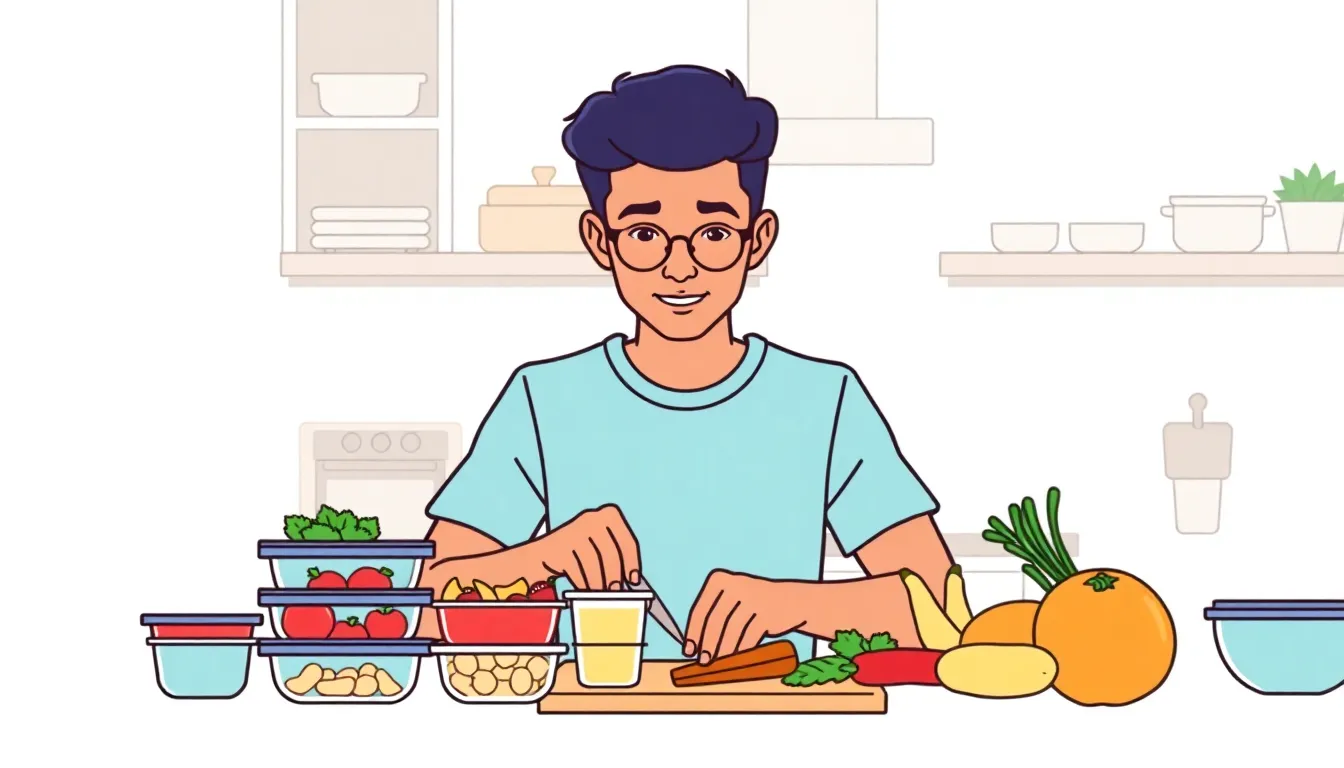
I used to think meal prepping was just for fitness enthusiasts and super organized people. But after one too many nights of ordering takeout because I was too tired to cook, I decided to give it a try. Turns out, meal prepping isn't complicated - it's actually one of the most practical habits I've developed. Not only has it saved me countless hours during busy weeknights, but it's also helped me eat healthier and reduce food waste.
If you're tired of the daily "what's for dinner" stress or find yourself spending too much money on last-minute food decisions, meal prepping might be exactly what you need. It's not about cooking elaborate meals or following strict diets - it's simply preparing some food in advance to make your life easier.
Why Meal Prepping Makes Sense
The biggest misconception about meal prepping is that you need to spend your entire Sunday cooking. That's not true at all. Meal prepping can be as simple or comprehensive as you want it to be.
For me, the time savings have been the biggest benefit. Instead of cooking seven dinners from scratch every week, I might cook two or three larger batches. This consolidates the prep work, cooking, and cleaning into fewer sessions. What used to take me 7-10 hours spread throughout the week now takes about 3-4 hours, usually on Sunday.
Beyond saving time, meal prepping has helped me eat better. When I'm hungry and tired, I make terrible food choices. Having healthy options ready to go eliminates that problem. My grocery bills have decreased too, since I'm planning ahead and buying exactly what I need rather than making impulse purchases.
There's also something satisfying about opening your fridge and seeing organized containers of food ready for the week. It reduces the mental load of constantly thinking about what to eat, which is a form of stress we often don't recognize until it's gone.
💡
Pro-Tip: Start small! Don't try to prep every meal for the entire week your first time. Begin with just prepping components for 2-3 dinners and build from there. This prevents overwhelm and food waste if you discover you don't like something you've made.
Getting Started: The Basics of Meal Prepping
When I first started meal prepping, I made the mistake of trying to cook complicated recipes that required precise reheating. I quickly learned that meal prepping works best with simple, versatile foods that taste good for several days.
The first step is planning. I take about 15 minutes each week to decide what I want to eat. I consider my schedule (like if I have late meetings or social plans) and try to be realistic about how many meals I actually need to prep. There's no point in prepping seven dinners if you know you'll eat out twice that week.
For beginners, I recommend starting with a protein, a starch, and a vegetable. These components can be mixed and matched throughout the week to create different meals. For example, roasted chicken can be eaten as is, added to salads, or used in wraps. Roasted vegetables work as side dishes or can be thrown into pastas or grain bowls.
When it comes to storage, you don't need fancy containers - though they can make things easier. Any food-safe containers with good seals will do. I like to use glass containers because they're microwave safe and don't hold onto food odors or stains.
Remember that not all foods should be prepped the same way. Some items, like dressed salads and cut avocados, don't store well. I keep these separate and combine them just before eating.
💡
Pro-Tip: Label everything with dates using masking tape and a marker. I learned this the hard way after playing "refrigerator roulette" with similar-looking containers. Dating helps you track freshness and ensures you use the oldest prepared foods first.
Time-Saving Meal Prep Strategies
After a few months of meal prepping, I discovered some shortcuts that made the process even more efficient. One of my favorites is batch cooking staple items that can be used in multiple ways.
For instance, I might cook a large pot of rice or quinoa that can serve as a base for different meals throughout the week. The same goes for roasting a tray of mixed vegetables or cooking a large batch of chicken or ground beef that can be seasoned differently for various dishes.
Another approach is to prepare "ingredient components" rather than complete meals. This gives you flexibility to assemble different combinations throughout the week, preventing meal fatigue. For example, having cooked chicken, roasted sweet potatoes, cooked quinoa, and chopped vegetables on hand allows you to make grain bowls, wraps, or salads without feeling like you're eating the same thing every day.
The freezer is your friend when it comes to meal prep. Many prepared foods freeze well and can be thawed when needed. This is particularly useful for items like soups, stews, casseroles, and cooked grains. Portion these into individual servings before freezing for easy thawing.
Investing in a few kitchen tools can also speed up the process. A good chef's knife, food processor for chopping vegetables, and an Instant Pot or slow cooker for hands-off cooking have been game changers for my meal prep routine.
Keeping Meal Prep Interesting and Sustainable
The biggest challenge with meal prepping isn't getting started - it's sticking with it long-term. The key is finding a sustainable approach that works for your lifestyle and preferences.
One common pitfall is prepping too much of the same thing, leading to boredom. I try to include at least one new recipe or ingredient each week to keep things interesting. Having a variety of spices, sauces, and condiments on hand helps transform basic ingredients into different flavor profiles.
It's also important to be realistic about what you enjoy eating. If you don't like eating the same thing multiple days in a row, consider prepping different meals or components that can be mixed and matched. Some people prefer to prep just lunches or just dinners, while others prepare components that can be assembled quickly rather than full meals.
Don't forget about "semi-homemade" options. Using some convenience items like pre-cut vegetables, rotisserie chicken, or jarred sauces alongside your prepped components can save time without sacrificing quality. There's no rule that says every element has to be made from scratch.
Finally, be flexible. Some weeks I do a comprehensive prep session, while other times I might just chop some vegetables and cook a batch of protein. The goal isn't perfection but making your life easier and healthier.
Conclusion
Meal prepping doesn't have to be all-or-nothing. It's a flexible approach that can be adapted to fit your lifestyle and preferences. The benefits - saving time, eating healthier, reducing food waste, and cutting grocery costs - make it worth trying, even if you start small.
I've found that the biggest benefit isn't actually the prepared food itself, but the mental space it creates. There's something surprisingly liberating about not having to think about what to cook every single day. That mental energy can be directed elsewhere, whether it's work, hobbies, or simply relaxing.
If you're feeling overwhelmed by the idea of meal prepping, remember that any amount of preparation is better than none. Maybe you just chop vegetables for the week or cook a big batch of soup for lunches. Start where you are, use what you have, and do what you can.
The beauty of meal prepping is that it's a skill that improves with practice. Each week, you'll learn what works for you and what doesn't. Before long, you'll have a personalized system that makes healthy eating easier and more enjoyable than you ever thought possible.
Frequently Asked Questions
How long does meal prepped food stay fresh in the refrigerator?
Most cooked meal prep foods stay fresh in the refrigerator for 3-5 days. Some items like dressed salads or cut avocados have shorter lifespans (1-2 days), while pickled items or certain sturdy vegetables might last longer. Always use your senses - if something smells off or looks unusual, it's better to discard it. For longer storage, consider freezing portions in airtight containers, which can extend shelf life to 2-3 months for most cooked foods.
What are the best containers for meal prepping?
Glass containers are generally the best option for meal prepping because they're microwave-safe, don't absorb odors or stains, and let you see what's inside. Look for ones with secure, leakproof lids if you'll be transporting meals. If you prefer lighter-weight options, BPA-free plastic containers are suitable, especially for freezing (as they won't crack). Consider getting containers in various sizes for different components and meals. Compartmentalized containers are useful for keeping foods separate until eating time.
Is meal prepping cost-effective compared to cooking daily?
Yes, meal prepping is typically more cost-effective than cooking daily or ordering takeout. When you plan meals ahead, you can buy ingredients in larger quantities, take advantage of sales, reduce impulse purchases, and minimize food waste. Many meal preppers report grocery bill savings of 20-30% after implementing regular prep routines. The efficiency of cooking in batches also reduces energy usage. However, the biggest cost savings often comes from avoiding last-minute takeout or delivery orders, which can be 3-5 times more expensive than home-prepared meals.