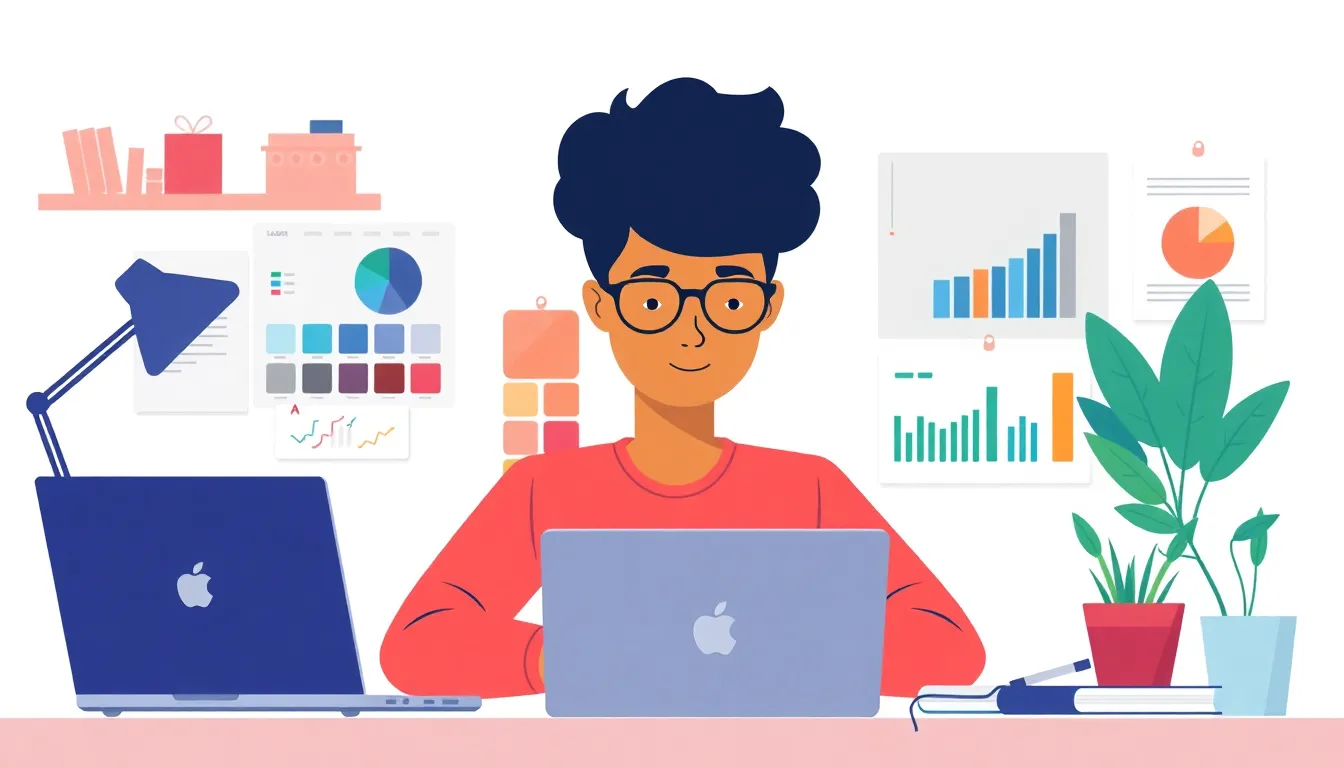
Working from home has become the new normal for millions of people worldwide, and creating a productive home office space is no longer optional - it's essential. While many focus on ergonomic furniture and technology, one powerful element often gets overlooked: color. The colors surrounding us affect our mood, productivity, focus, and creativity in surprising ways.
Our brains process color information constantly, triggering hormonal responses that influence how we feel and perform. When applied thoughtfully to your home office, color psychology can transform an ordinary workspace into one that enhances your specific work needs and complements your personality.
Let's explore how different colors impact your work performance and how to use this knowledge to create a home office that helps you do your best work.
Understanding Color Psychology Basics
Color psychology isn't just decorative fluff - it's backed by research showing genuine physiological and psychological responses to different hues. Each color affects us in unique ways, stimulating different parts of our brain and triggering various emotional responses.
Cool colors like blues and greens tend to calm the mind and promote concentration. They lower heart rate and blood pressure, creating an atmosphere conducive to focused work. Warm colors like reds, oranges, and yellows energize the space, stimulating activity and potentially boosting creativity.
Neutral colors provide balance and can be paired with accent colors to create the perfect blend of stimulation and calm. White increases perception of space but can feel cold without accents. Beige and gray offer sophistication but might need energetic touches to prevent a workspace from feeling dull.
Individual responses to color also vary based on personal experiences, cultural backgrounds, and even gender. What works wonderfully for one person might be distracting for another. This is why understanding your own responses to colors is crucial when designing your home office.
Your work requirements should guide your color choices. Do you need to focus intensely for long periods? Are you doing creative work that benefits from stimulation? Do you have video meetings where your background colors might affect how others perceive you?
💡
Pro - Tip: Before committing to painting your entire home office, test colors in small ways first. Try colored desk accessories, a painted accent wall, or even colored light bulbs to gauge how different hues affect your mood and productivity throughout the workday.
Productive Colors: Blues, Greens, and Their Effects
Blue is widely considered the most productive color for home offices. It stimulates the mind, promotes concentration, and creates a sense of calm that allows for sustained focus. Studies show that blue environments can help people process information more efficiently and stay on task longer.
Different shades of blue create different effects. Navy and darker blues convey professionalism and authority - perfect for spaces where you have client video calls. Medium blues like cobalt provide focus without heaviness. Lighter blues like sky blue or aqua offer a refreshing feeling that helps maintain energy throughout the day.
Green is another excellent office color, combining the focusing effects of blue with refreshing natural energy. It causes less eye strain than other colors, making it ideal for people who work long hours. The connection to nature gives green a restorative quality, helping reduce stress during intense work periods.
These colors work particularly well in home offices for analytical work, writing, programming, accounting, or any role requiring sustained concentration. They're also beneficial for people who tend to feel anxious or overwhelmed by workloads, as the calming properties help manage stress.
If your work involves both focused tasks and creative thinking, consider using blue or green as your main color with strategic accents of more stimulating colors like yellow in areas where you brainstorm or need energy boosts.
💡
Pro - Tip: For maximum productivity with blue and green, avoid overly dark shades that can make a space feel confined or gloomy. Balance these colors with plenty of natural light or full-spectrum lighting to prevent the calming effect from becoming too sedative.
Creative Colors: Yellows, Oranges, and Reds
When your work demands creativity, innovation, or social energy, warm colors can provide the stimulation you need. These colors increase heart rate slightly and activate the brain in ways that promote idea generation and enthusiasm.
Yellow stands out as the color of optimism and creativity. It stimulates the left side of the brain, associated with logical thinking, while energizing the right side that handles imagination. This dual activation makes yellow particularly valuable for writers, designers, and problem-solvers who need both analytical and creative thinking.
Orange combines the energy of red with the cheerfulness of yellow, creating a welcoming atmosphere that encourages conversation and collaboration. For those who regularly host virtual meetings or need to maintain energy during long calls, orange accents can help sustain enthusiasm and warmth.
Red, the most stimulating color, increases heart rate and creates a sense of urgency. While too much red can be overwhelming for a primary office color, strategic touches can energize spaces where you need quick thinking or physical energy. It's particularly effective for people who need to stay alert during repetitive tasks.
These stimulating colors are best used in moderation for most home offices. Consider an accent wall, furniture pieces, or accessories in these colors rather than painting all four walls. This gives you the benefits of their energizing properties without risking overstimulation that could lead to distraction or anxiety.
Balancing Act: Neutrals and Color Combinations
Neutral colors provide the foundation for a well-designed home office, allowing you to incorporate psychological benefits of various colors without creating visual chaos. White, beige, gray, and brown each bring their own subtle influences while providing versatility.
White creates a sense of spaciousness and possibility. It reflects light, brightening spaces and providing a clean backdrop for thinking. However, pure white can feel sterile or clinical without softening elements. Warm whites with hints of cream or beige offer the benefits without the harshness.
Grays provide sophistication and balance. Lighter grays paired with blue accents create a professional atmosphere perfect for corporate work. Charcoal grays with yellow or orange elements offer a modern, creative vibe. The neutrality of gray makes it incredibly versatile for any work style.
When combining colors, the 60-30-10 rule offers a helpful framework. Use a neutral or main color for about 60% of the space (walls, large furniture), a secondary color for about 30% (accent furniture, area rugs), and a bolder accent color for the remaining 10% (accessories, art). This creates visual interest without overwhelming the senses.
Consider your natural light situation when selecting colors. North-facing offices receive cooler light and benefit from warmer colors to balance the coolness. South-facing spaces get abundant warm light and can handle cooler colors without feeling cold.
Personalizing Your Color Scheme
While color psychology provides general guidelines, your personal responses to colors should guide your final decisions. Some people find red energizing while others feel anxious around it. Some find pure white inspiring while others feel it's too stark.
Start by observing which environments help you work best. Do you focus better in coffee shops with warm tones? Or do you prefer the cool, calm atmosphere of certain libraries? Your past experiences contain clues about your personal color responses.
Consider your work personality too. Are you naturally high-energy and need calming colors to balance you? Or do you tend toward methodical focus and need energizing elements to spark creativity? The goal is to create balance, complementing your natural tendencies rather than amplifying potential weaknesses.
Don't forget practical considerations like video call backgrounds. Colors appear differently on camera, and certain shades can clash with your skin tone or create strange lighting effects. Test your most common video call position to ensure your color choices translate well to the screen.
Finally, allow for change. Our responses to colors evolve with our work needs and life circumstances. Create a design that allows for refreshing accent colors seasonally or as projects change. This flexibility helps your space remain psychologically supportive as your work evolves.
Conclusion
The colors surrounding you as you work aren't just decorative choices - they're tools that actively influence your cognitive function, emotional state, and work performance. By applying color psychology principles to your home office design, you're essentially programming your environment to support your specific work needs.
Remember that balance is key. Even the most productivity-enhancing blue office needs touches of energy and warmth to prevent monotony. Similarly, creative spaces with stimulating colors need areas of calm for focused work. Your perfect color scheme will likely involve a thoughtful combination rather than a single-color approach.
Start small if you're uncertain. Change desk accessories, add artwork, or use colored desk lamps before committing to painted walls. Pay attention to how different colors affect your mood and work quality, then adjust accordingly. Your perfect home office color scheme is one that makes you feel both comfortable and capable - the sweet spot where productivity and wellbeing meet.
FAQs About Color Psychology in Home Offices
What colors should I avoid in a home office?
While individual responses vary, most people should use caution with pure bright red as a dominant color, as it can increase stress and anxiety during long work periods. Very dark colors like black or dark brown can feel oppressive when overused and may lower energy. Pure whites can create glare and eye strain without warming elements. Instead of avoiding these completely, use them as accents or in small doses if you're drawn to them.
How can I incorporate color if I rent and can't paint my walls?
Renters have plenty of non-permanent options for adding psychologically beneficial colors. Large artwork, removable wallpaper, and fabric wall hangings can transform a wall without paint. Colored desk accessories, lamps, cushions, and rugs add significant color impact. Even your digital workspace matters - changing your computer desktop background to blue can help with focus during screen-heavy work.
Do color preferences for productivity vary by gender or personality type?
Research suggests some general differences in color preferences across genders and personality types, but individual variation is substantial. Introverts often respond better to cooler, calmer colors like blue and green, while extroverts may thrive with touches of more stimulating colors. Rather than following generalizations, pay attention to your personal responses to different environments and colors. Your own experience is the most reliable guide for your specific color needs.